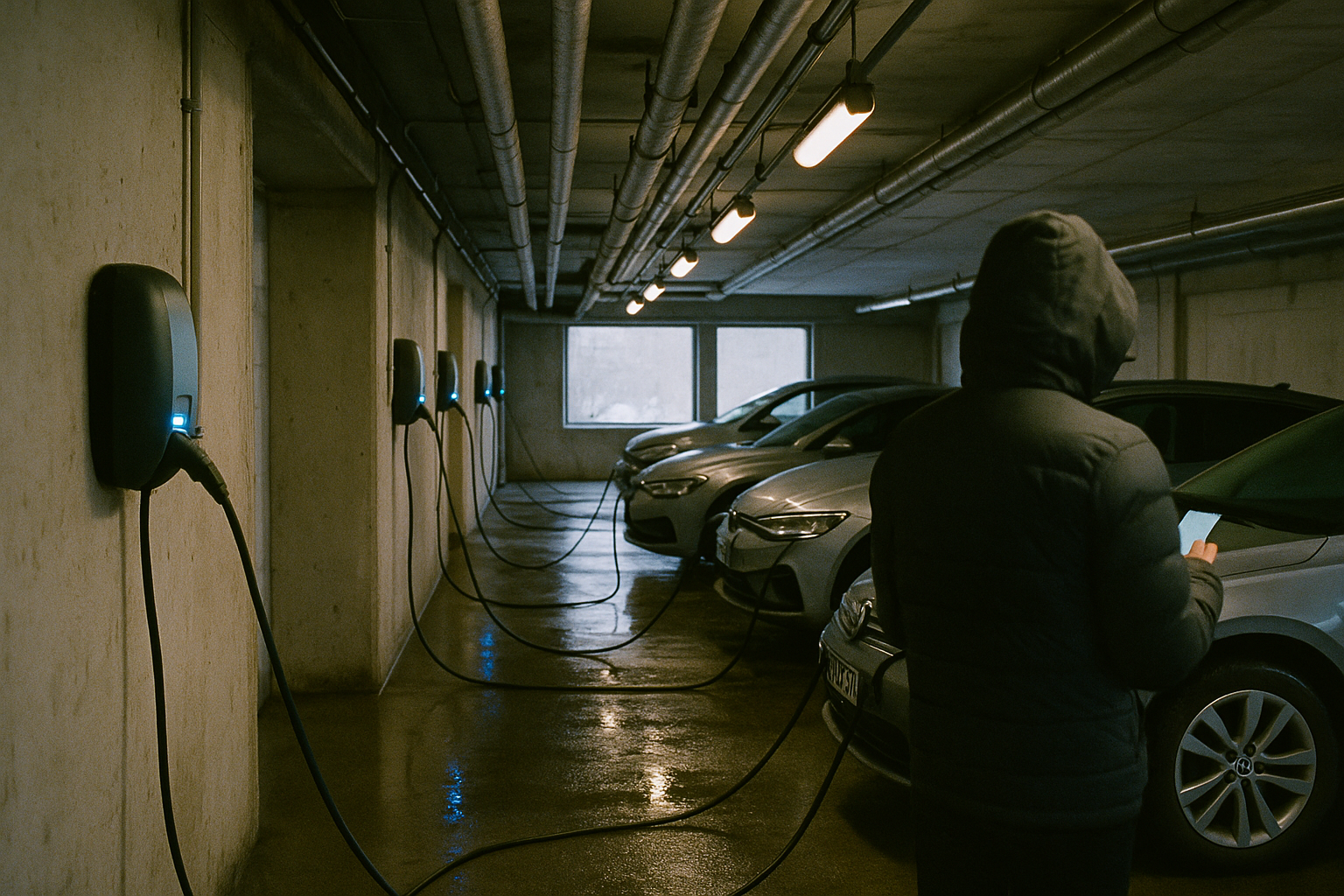
Aalto warns of 2030s power squeeze, Finland tests EV charging peaks, risk sits in winter hours
- Aalto researchers estimate Finland could have 600,000 to 900,000 electric vehicles within four years.
- The shortage scenario appears on cold, windless winter days if charging clusters in existing peak hours.
- Energiateollisuus chief executive Jukka Leskelä told Iltalehti he is not worried about EV growth itself.
- The dispute is less about car numbers than about whether charging, tariffs and local grids are built to shift demand.
Finland could run short of electricity in the 2030s on dark, windless freezing days if electric cars are mostly plugged in during the same morning and afternoon peaks that already strain the system. In a report by Iltalehti, Aalto University researchers say the country’s charging habits matter as much as the size of the future EV fleet.
The numbers are no longer small. According to the study cited by Iltalehti, Finland’s electric-car fleet could reach 600,000 to 900,000 vehicles within four years. If a large share of those drivers charge when people wake up, cook, heat homes and return from work, the extra load lands on the most expensive hours to supply: still winter days when solar output is weak, wind generation can drop and electricity imports are less certain. That is the part of the system with the least room for error.
Jukka Leskelä, chief executive of Energiateollisuus, the Finnish Energy industry group, told Iltalehti he is not worried about the growth of electric cars as such. His argument is that charging behaviour will change. Electricity pricing already gives households a reason to avoid expensive peak hours, and smart charging can delay or stagger charging without preventing drivers from leaving with a full battery in the morning. The difference between a grid problem and a manageable load is often a timer, a software setting or a tariff that makes the costly hour visible on the bill.
That leaves a narrower question than the headline fear suggests. The issue is not whether Finland can support electrification in the abstract, but whether network investment, retail pricing and home and workplace chargers are being built around flexible demand rather than passive consumption. If they are, EVs become a movable load. If they are not, households may end up financing reinforcement of local distribution grids that were asked to absorb new demand at exactly the wrong times.
Finland has more advantages than many European countries: a large clean power base, expanding wind generation and a population used to hourly electricity prices. But the Aalto scenario points to the hours when those strengths fade at once. On a calm January morning, the system does not care that a car could have charged at 02:00 if it is set to start at 07:00.
Källor: Iltalehti