Badgers enter Trondheim house, urban edge leaves homeowners with wildlife bill, city advises distance
- Three badgers got into a detached house in Trondheim’s Lohove district overnight into Friday.
- The incident highlights a recurring urban-wildlife problem in neighbourhoods built close to habitat corridors.
- For homeowners, the immediate issue is who to call, how fast help arrives, and what they are allowed to do with protected wildlife.
- Authorities generally advise residents to keep their distance, secure access points and contact municipal or wildlife officials rather than handle animals themselves.
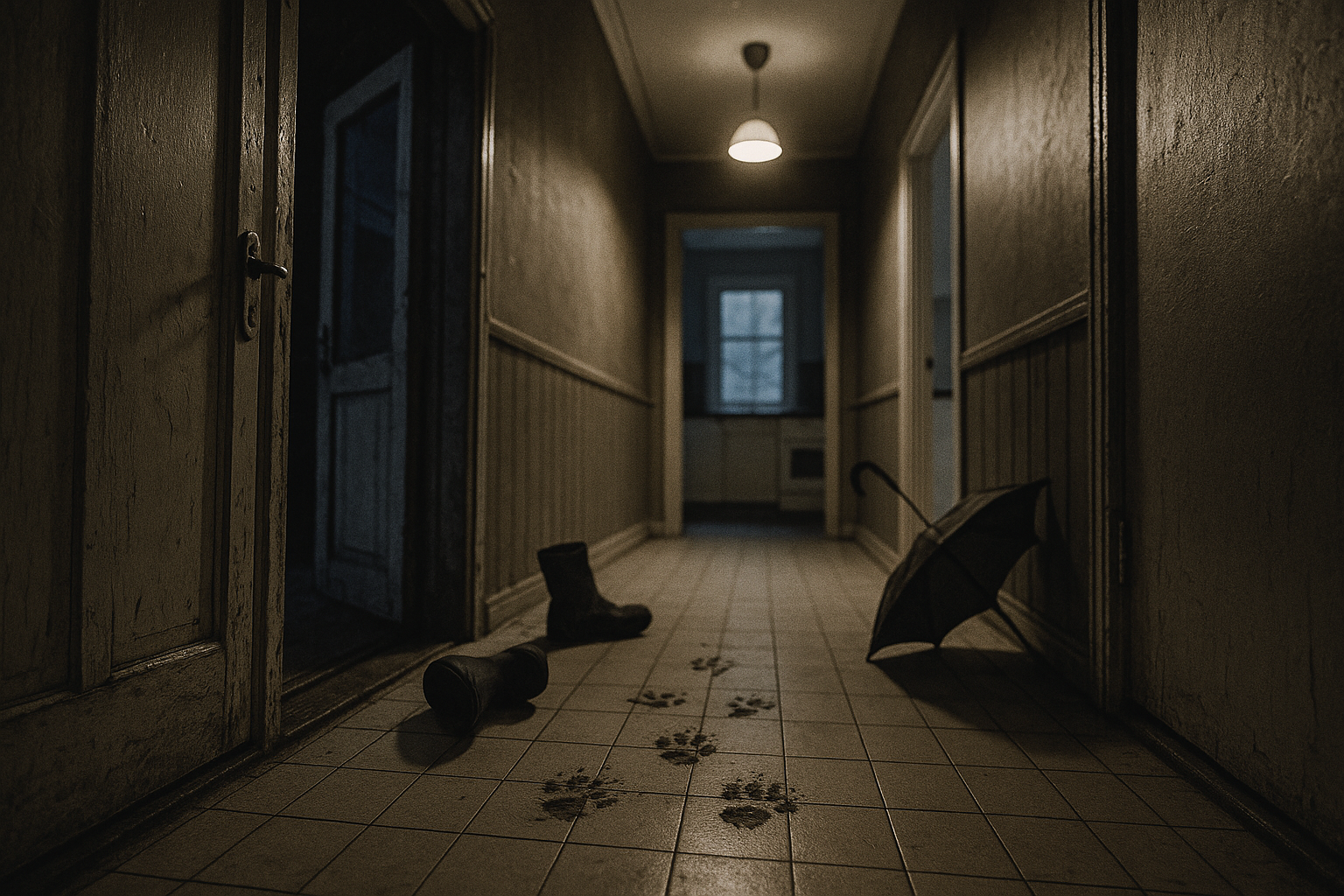
Three badgers entered a detached house in Lohove in Trondheim overnight into Friday, a small but pointed reminder that urban wildlife conflicts are no longer confined to cabins and farm buildings. Nettavisen reports that the trio made its way into the home, forcing a response to what is, for the people living there, less a curiosity than a safety and property problem.
The incident sits at the intersection of two trends Norwegian cities know well: outward residential growth and the preservation of green belts, ravines and wooded strips that animals still use as travel routes. Badgers are not exotic in central Norway, but a badger under a terrace or inside a crawl space is one thing; three animals inside a house is another. Once wildlife crosses that threshold, the burden falls quickly on the resident. Someone has to secure pets and children, identify which authority is responsible, wait for assistance, and then pay for whatever repairs are needed if floors, insulation or vents have been damaged.
That is the practical question behind these episodes. Homeowners are usually told not to corner or handle wild animals themselves, especially when the animals may bite, carry parasites or react unpredictably in enclosed spaces. The usual advice from municipal services and wildlife authorities is to keep distance, isolate the area if possible, remove easy food sources, and contact the police non-emergency line, municipal environmental services or licensed wildlife handlers depending on the animal and the urgency. The chain of responsibility is less tidy than the advice. A frightened resident does not care much whether the case belongs to the municipality, the police, a wildlife board or a private pest-control contractor.
In a city such as Trondheim, where housing estates meet woodland, footpaths and undeveloped corridors within a few minutes’ walk, these encounters are built into the map. The public language is coexistence; the private reality is blocked vents, dug-up gardens, sleepless nights and invoices. Protected or tolerated wildlife remains public in principle, but when it moves into a private house, the first response is often improvised by the person holding the keys.
At Lohove, the story was three bold badgers inside a detached house before dawn. The house was still a house; the badgers had simply got there first.
Källor: Nettavisen