Bergen student case exposes digital drug trade, police trace crypto despite seized wallet lockout, Norway chases mobile market
- Police say the suspect coordinated couriers in real time from Bergen using mobile devices and encrypted communication.
- Investigators reportedly traced million-kroner transfers even after hitting what they describe as a digital wall around a seized crypto wallet.
- The case points to a drug market that is less tied to fixed local dealers and more dependent on mobile logistics and remote coordination.
- It also shows the asymmetry in digital policing: distribution can be run instantly from a phone, while police reconstruct the chain later through records and seizures.
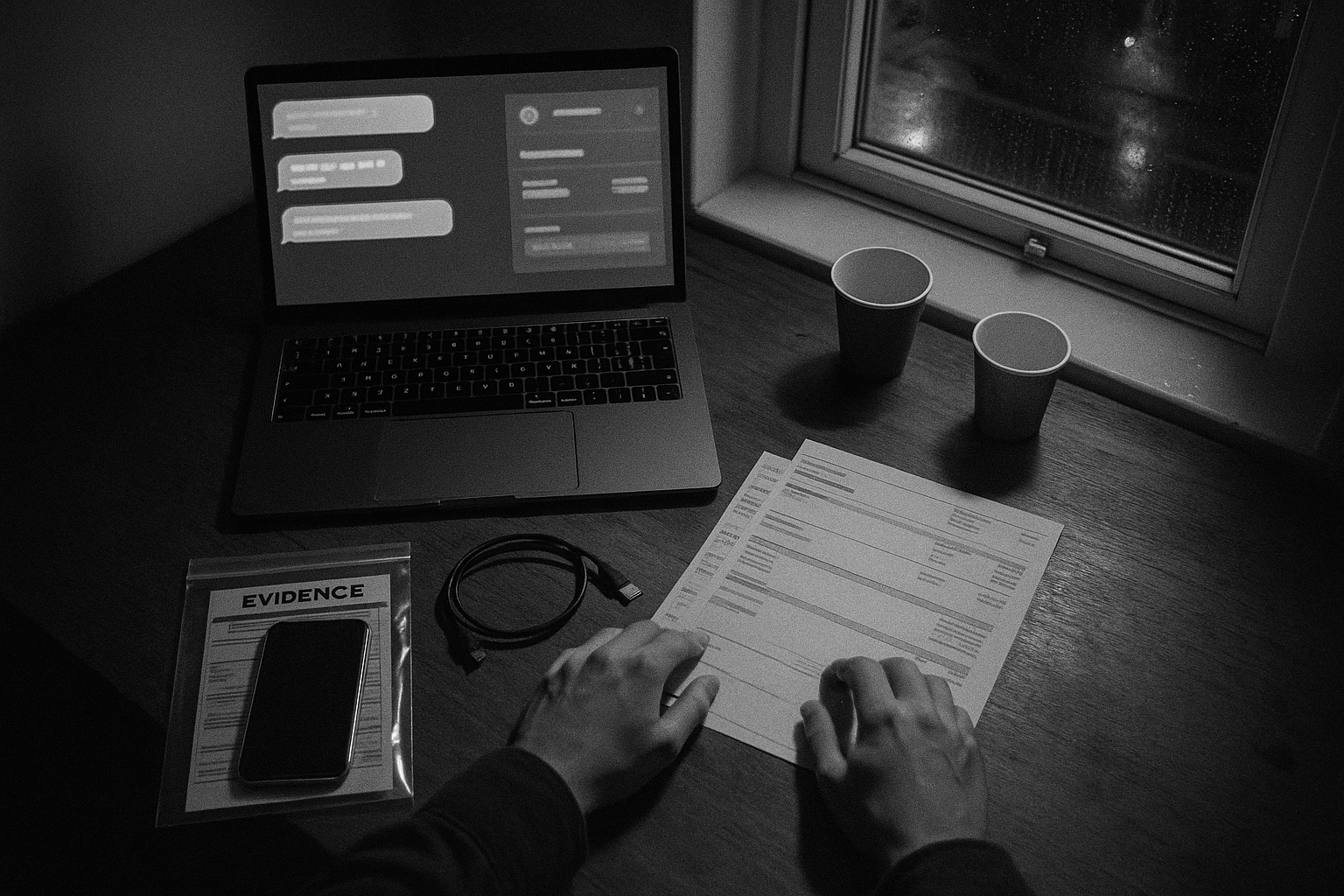
A 20-year-old student at the Norwegian School of Economics (NHH) in Bergen is suspected by police of directing a drug network from his phone, sending live instructions to couriers around the country while payments moved through crypto. Nettavisen reports that new court documents describe how investigators linked the student to million-kroner transfers and nationwide distribution even after access to a seized crypto wallet was blocked.
The local detail is plain enough: Bergen police are not describing a street corner operation, but a remote command setup. According to the report, investigators believe the suspect used encrypted phones and digital communication to manage couriers in real time, giving instructions as consignments moved between cities. That changes the policing problem. A dealer with stock in one flat can be raided; a coordinator with a handset, a wallet and a rotating set of couriers leaves less to seize at the scene and more to reconstruct later from devices, transaction trails and telecom data.
The documents cited by Nettavisen suggest police were still able to break parts of that chain. Even without opening the seized wallet, investigators reportedly followed large transfers and matched them against other evidence, including communication and movements by couriers. That is a narrower victory than the headline version of crypto crime often implies. The wallet itself remained a barrier, but the people around it still generated records: phones ping towers, couriers travel, transfers arrive in clusters, and instructions have to be sent to someone.
The Bergen case fits a broader Nordic shift in drug distribution. The model is less dependent on fixed local hierarchies and more on temporary logistics: rented flats, moving couriers, encrypted chats, digital payments and operators who do not need to touch the product every day. That lowers the cost of entry for a technically competent organizer and spreads risk across disposable devices and replaceable runners. It also raises the cost of enforcement. Police can seize narcotics and arrest couriers quickly enough; proving who coordinated the network from behind a screen is slower, more expensive work.
Crypto sits in the middle of that change. It is neither invisible nor frictionless, but it gives criminal groups a payment rail outside ordinary bank monitoring and delays investigators at the point where speed matters most. By the time police assemble transaction histories, device extractions and witness statements, the distribution network can already have shifted phones, wallets and personnel. The documents in this case show both sides of that equation: a digital wall around one wallet, and a paper trail of money and instructions everywhere else.
For Norway's police, the question is less whether digital traces exist than whether they can be turned into cases before the market moves on. In this Bergen investigation, the alleged control room was a student bedroom and the couriers were elsewhere on the map.
Källor: Nettavisen