Birgitta Ohlsson defects to Centre Party, Stockholm Riksdag list rewritten to accommodate her
- Ohlsson served as EU minister under PM Fredrik Reinfeldt and has been a prominent Liberal voice for two decades
- The Centre Party is rewriting its Stockholm constituency list to slot her in ahead of the 2026 election
- The defection deepens the Liberal Party's crisis over its alliance with the Sweden Democrats
- Centerpartiet is positioning itself as the home for liberal internationalists who no longer recognise their old party
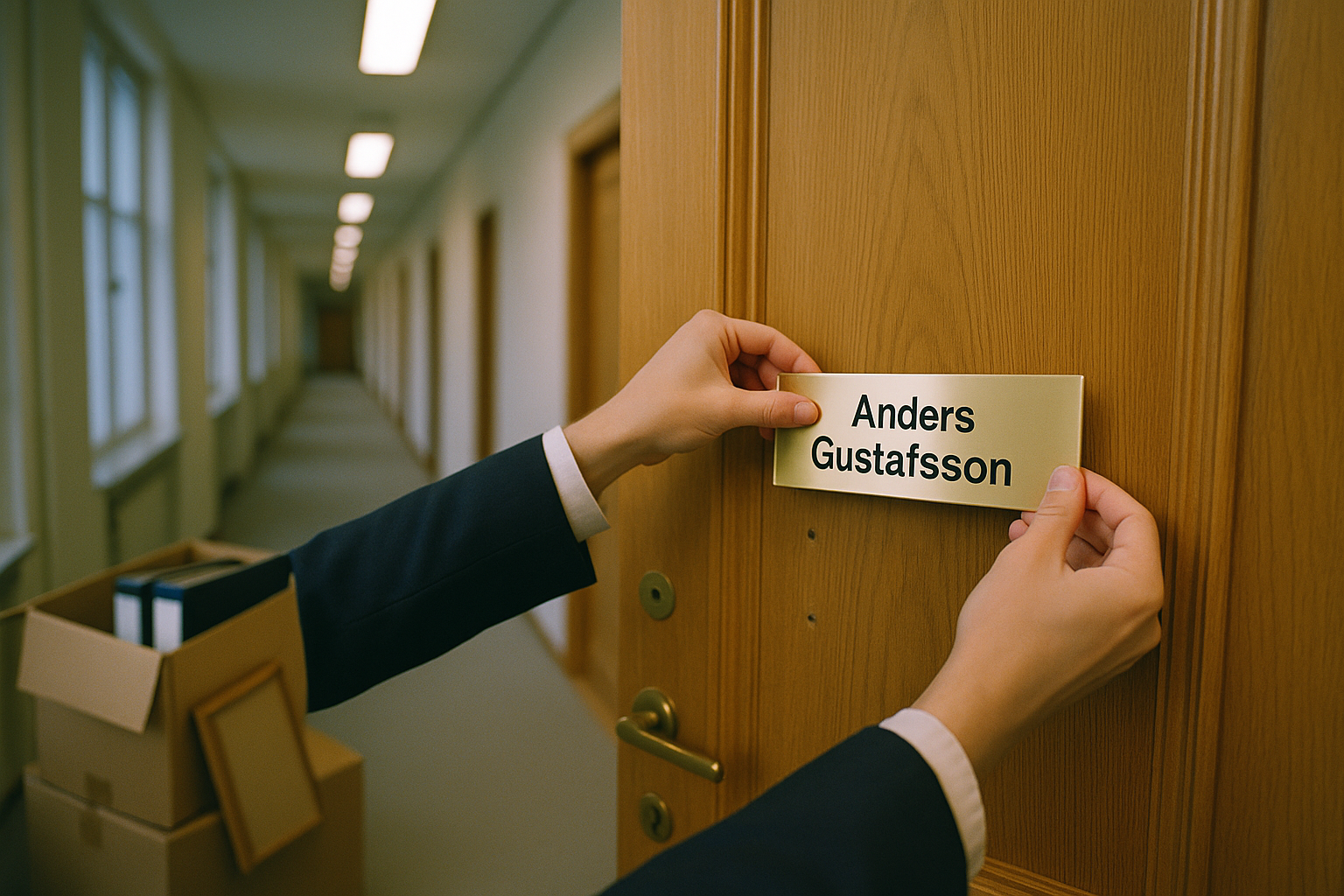
Birgitta Ohlsson, former EU minister and one of the most prominent politicians in the Liberal Party (Liberalerna), is defecting to the Centre Party (Centerpartiet) ahead of Sweden's 2026 general election. Expressen reports that Centerpartiet is rewriting its Riksdag list in Stockholm to make room for Ohlsson — a move that signals this is no quiet departure but a deliberate, high-profile recruitment.
Ohlsson served as minister for EU affairs in Fredrik Reinfeldt's centre-right government from 2010 to 2014 and has long been the face of the Liberal Party's pro-European, socially liberal wing. Her departure is the latest in a series of blows to Liberalerna, which has haemorrhaged members and credibility since its leadership chose to prop up the Tidö Agreement — the governing arrangement that gave the Sweden Democrats (Sverigedemokraterna) formal influence over government policy for the first time. For politicians like Ohlsson, whose entire political identity was built on internationalism and opposition to nationalist movements, remaining in a party dependent on SD support became untenable.
What Centerpartiet gains is straightforwardly tactical. The party, led by Muharrem Demirok, has been trying to carve out space as the principal alternative for voters who consider themselves liberal but refuse to share a governing bloc with the Sweden Democrats. Ohlsson brings name recognition, media fluency, and a network that spans Brussels and Stockholm. She is, in effect, a walking advertisement for the argument that Centerpartiet — once the party of rural landowners and agricultural cooperatives — is now the natural home for urban, educated, pro-EU voters who feel politically homeless.
The risk is that Centerpartiet becomes a halfway house for liberal refugees rather than a party with a coherent identity. Annie Lööf's leadership already pulled the party sharply toward urban liberalism, a shift that cost it rural voters without fully compensating in the cities. Adding Ohlsson doubles down on that bet. The party is gambling that the centre-liberal electorate is large enough to sustain it above the four-percent Riksdag threshold — a gamble that looked precarious in 2022, when Centerpartiet scraped through with 6.7 percent.
For Liberalerna, the calculus is grimmer. The party polled at 3.3 percent in the most recent Novus survey, below the threshold for parliamentary representation. Every defection of a known name makes the case that the party is a sinking ship. Ohlsson is not the first to leave, but she may be the most symbolically damaging — a reminder that the party's Reinfeldt-era identity has been hollowed out from the inside.
The 2026 election will test whether Sweden's political centre can sustain two liberal parties, or whether Liberalerna's decision to hitch itself to the Sweden Democrats was the choice that made it redundant. Centerpartiet is now rewriting candidate lists in Stockholm to accommodate the answer.
Källor: Expressen