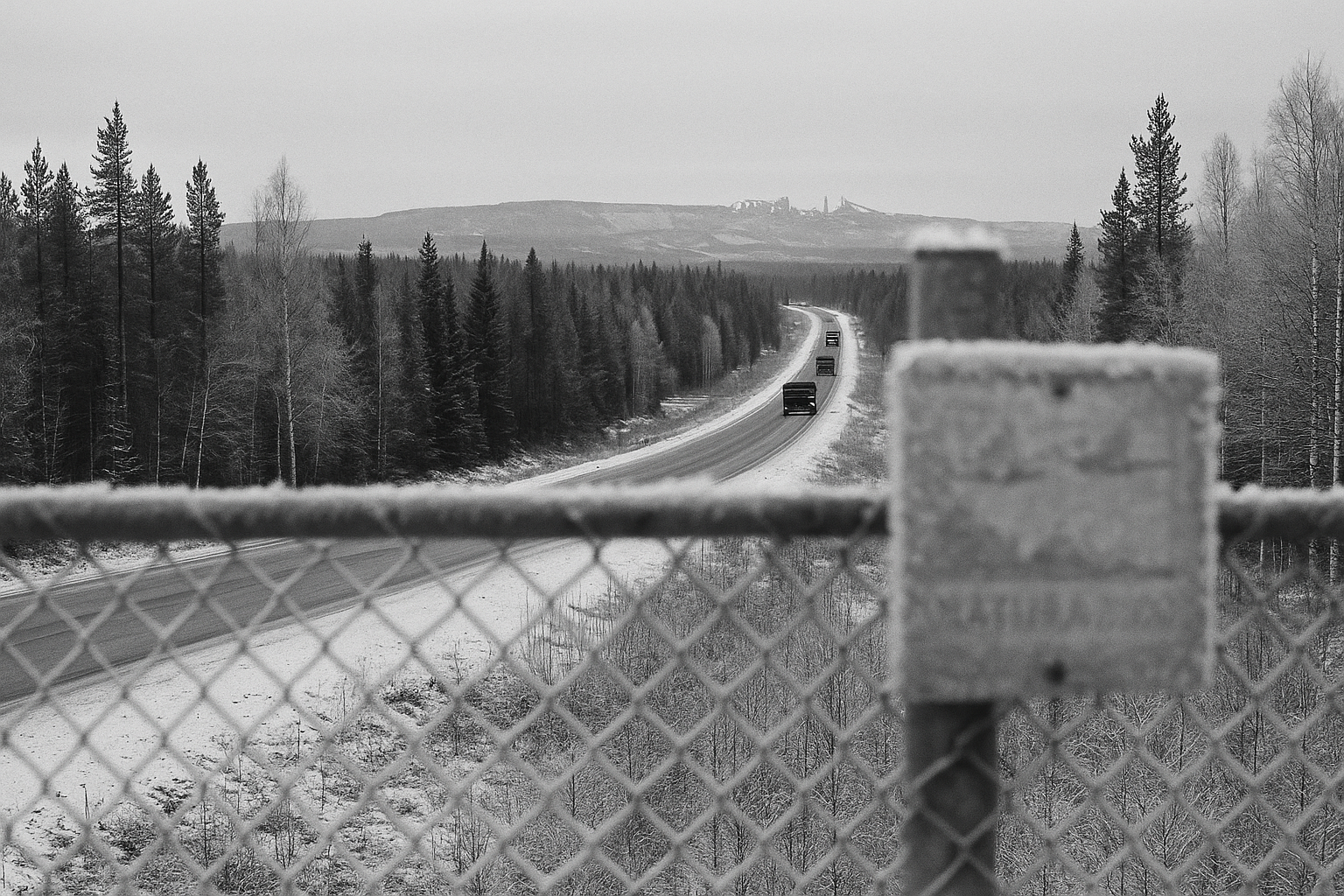
Boliden scraps Kevitsa expansion, Natura dispute shadows Finland mining climate, Sodankylä loses mine by 2034
- Boliden has withdrawn a €1 billion investment plan and set the Kevitsa mine for closure in 2034
- The company says the decisive factor was weak profitability, not the Natura assessment tied to protected areas
- Conservation groups argue environmental harm and tighter scrutiny made the expansion untenable
- The decision hits Sodankylä jobs, contractor work and municipal revenue while raising questions about Finland’s mining pipeline
Boliden Kevitsa has cancelled a planned €1 billion expansion of its Kevitsa nickel-copper-PGM mine in Sodankylä and decided to shut the mine in 2034. YLE reports that the immediate argument is over causation: Boliden says a Natura assessment did not drive the closure decision, while the Finnish Association for Nature Conservation says the project collapsed under environmental harm and the constraints attached to protected nature.
The distinction matters beyond one mine. Kevitsa had been presented as a long-life northern asset with room for further extraction, contractor work and tax revenue. A billion-euro expansion does not disappear over a minor paperwork issue; it disappears when the expected return no longer covers the cost, time and uncertainty of getting the next phase approved and operating it under tighter conditions. If a company sees years of added scrutiny around water impacts, nearby protected areas and permit appeals, the discount rate rises long before an authority says yes or no.
YLE reports that Boliden attributes the decision to profitability and says the Natura assessment was not the reason for closure. The conservation side points to environmental impacts and to the fact that the expansion was tied to a Natura review in the first place. Those positions are less contradictory than they first appear. Environmental restrictions do not need to be the formal reason for cancellation to alter the economics of a project; they can raise costs, narrow options and stretch timelines until the investment case no longer clears the hurdle.
For Sodankylä, the result is concrete. A mine scheduled to close in 2034 gives workers, suppliers and the municipality a date rather than a future growth story. Direct mine employment is only part of the local balance sheet: transport firms, maintenance contractors, accommodation providers and municipal tax receipts all sit downstream from the pit. Northern mining towns are built around long investment cycles, and when an expansion is removed from the queue, the loss is measured not only in jobs today but in years of work that never materialise.
For Finland, Kevitsa lands awkwardly in a country that markets itself as a stable supplier of minerals needed for batteries, electrification and European industry. That pitch depends on geology, power supply and logistics, but also on whether capital believes permits can be secured on terms that still leave a margin. If the operating assumption becomes that every major expansion near sensitive areas will face longer reviews, higher compliance costs and a credible risk of being stranded, money will look harder at Sweden, Norway, Canada or Australia. Finland keeps the ore body either way. The question is where the investment budget goes next.
The mine will keep running for another decade. The cancelled expansion is gone now, and in Sodankylä the closing year is 2034.
Källor: YLE Uutiset