Copenhagen Airport adds 20 scanners, security lines ease, Kastrup bets on faster throughput
- Passengers at Kastrup can now pass security without removing shoes or taking electronics out of bags.
- The airport has installed 20 new scanners, according to Berlingske.
- The upgrade targets passenger flow at Denmark’s largest international airport.
- Shorter and less cumbersome checks matter most at peak hours, when small delays spread quickly through the terminal.
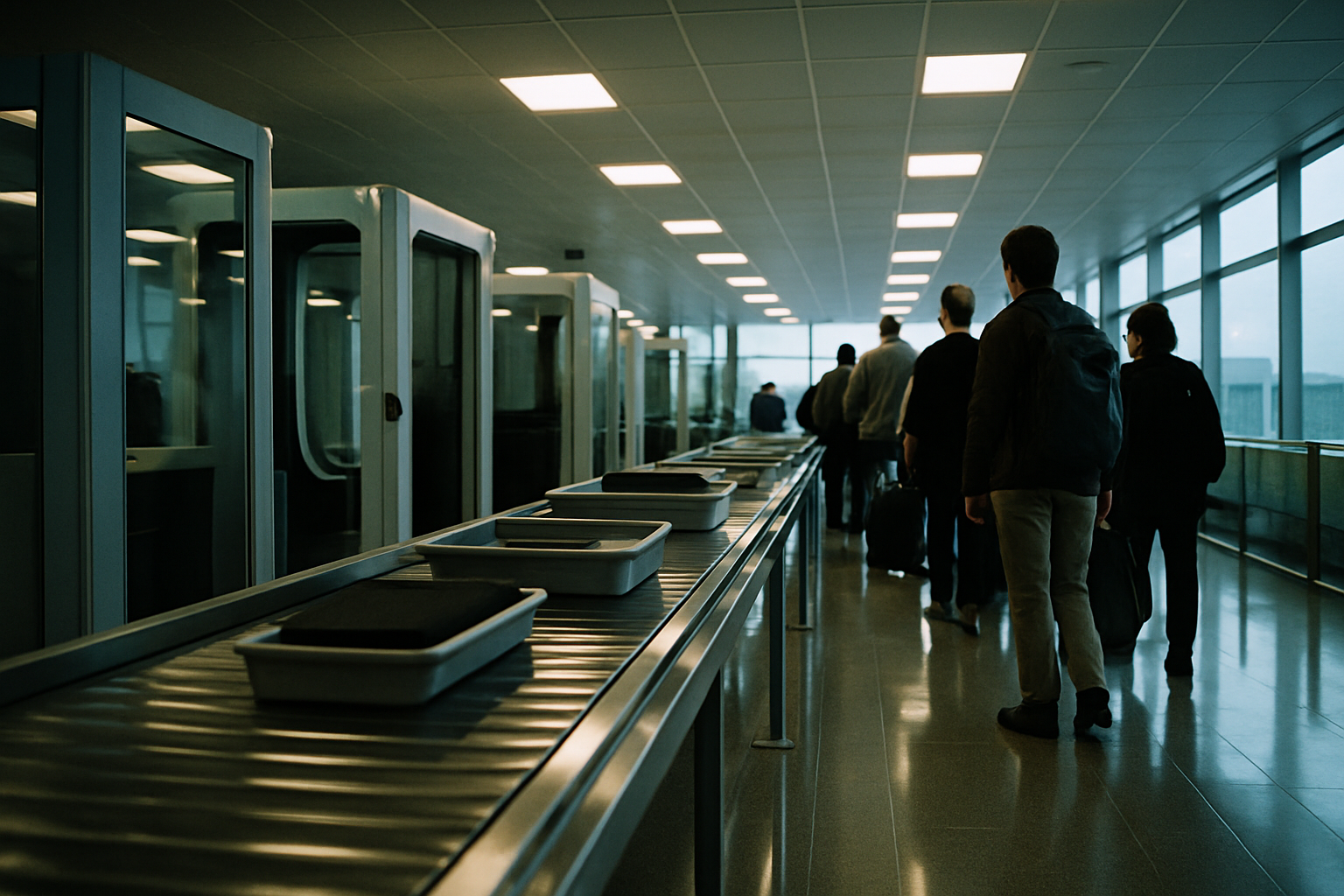
Copenhagen Airport has put 20 new security scanners into service, allowing passengers to keep their shoes on and leave laptops and other electronics inside their bags. Berlingske reports that the new equipment is now being used at Kastrup, Denmark’s main international gateway, where security control is one of the terminal’s most visible choke points.
For travelers, the immediate gain is mundane but real: fewer trays, less unpacking, less stopping and repacking at the belt. For the airport, the question is flow. Kastrup handles business traffic, transfer passengers and seasonal tourist peaks in the same system, and security queues can turn a full departure bank into a slow-moving line within minutes. A scanner that removes a few steps from each passenger does not need to transform aviation to matter; at a hub, seconds multiplied across thousands of people become capacity.
The rollout also fits a wider pattern across European airports, where operators are spending on screening technology rather than adding floor space they may not have. New scanners promise a softer version of the same control regime: passengers still get screened, but the process demands less manual sorting by the traveler and less intervention by staff. That matters at airports where labor is costly and terminal expansion is slow. If the equipment also reduces secondary bag checks by producing clearer images, the gain is not only convenience but a steadier line at peak hours.
Berlingske's report highlights the passenger-facing change, but the commercial logic sits behind it. Kastrup competes for airlines, transfer traffic and premium travelers against other northern European airports. A security checkpoint that moves faster does not show up on a route map, yet it shapes whether the airport feels efficient or congested. The investment cost was not stated in the source report, nor was it clear whether the 20 scanners are part of a larger modernization program across the terminal. Those figures will decide whether this is mainly a quality-of-life upgrade or a measurable increase in throughput.
At the checkpoint itself, the difference is simpler than the procurement math. Passengers now walk to the scanner with their shoes on and their electronics still packed, while the old ritual of belts, trays and open bags begins to disappear at Kastrup.
Källor: Berlingske