Copenhagen drops car-share parking, 320 electric-only spaces return to public use, residents win scarce curb space back
- The city is scrapping 320 reserved parking spaces for electric car-sharing vehicles.
- The spaces will be turned back into ordinary parking after public criticism.
- The dispute reflects a wider urban fight over who gets priority when road space is fixed.
- The reversal exposes the limits of green mobility schemes that depend on preferential access to public space.
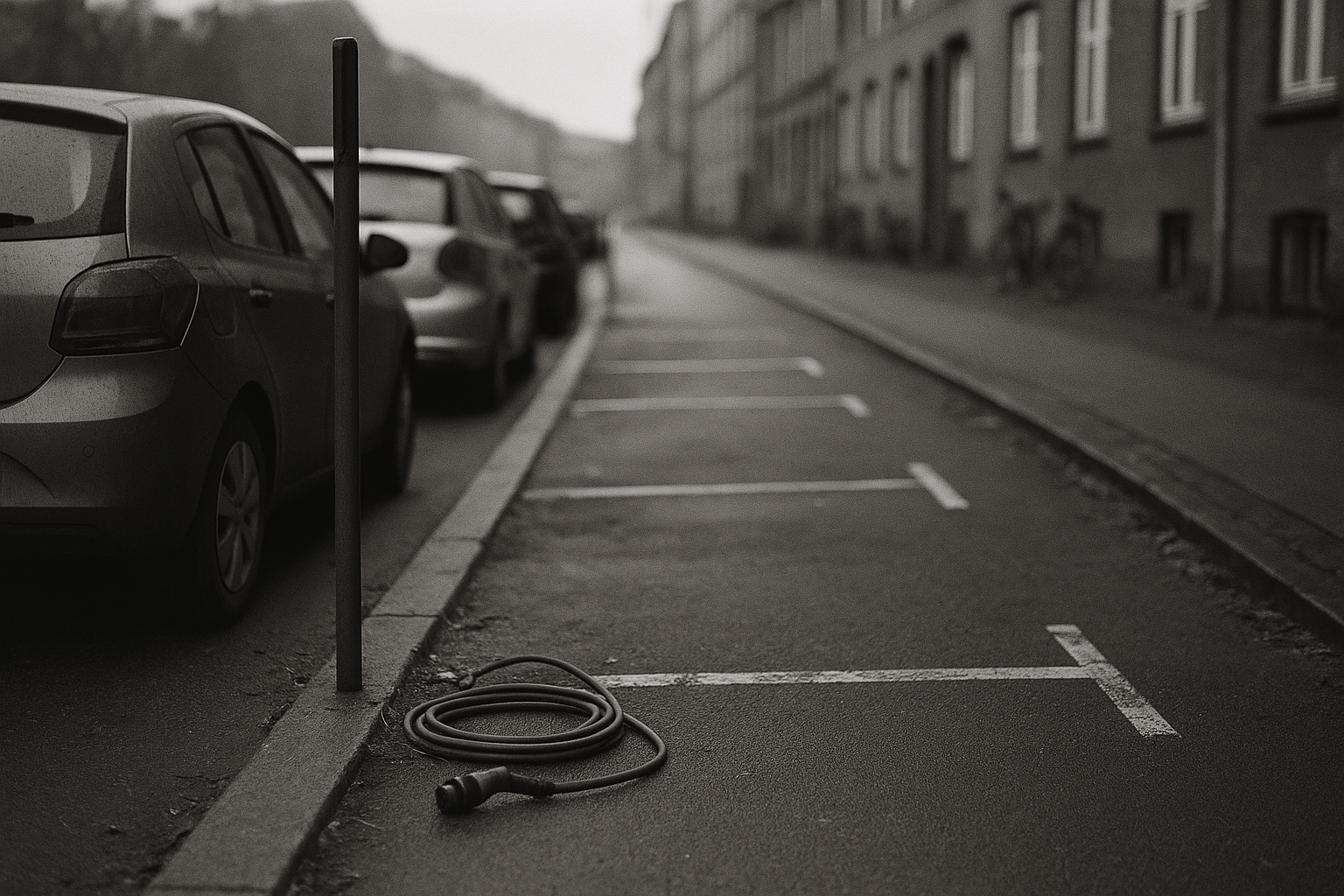
Copenhagen will turn 320 parking spaces reserved for electric car-sharing vehicles back into ordinary parking after criticism of the arrangement. DR reports that the controversial spaces, created for e-car-sharing operators, will now be reopened to general use in a city where curb space is rationed street by street.
The decision is small in absolute numbers and large in what it shows. In central Copenhagen, parking policy is not an abstract climate instrument but a daily allocation of convenience: one driver circles the block, another finds a reserved bay sitting empty, and the municipality decides which use counts as public interest. Setting aside spaces for car-sharing companies gave one transport model guaranteed access to land that everyone else must compete for. Reversing the policy does not create a single new parking space; it changes who may use the existing ones.
That is the recurring arithmetic in Nordic city transport policy. Municipalities promise greener mobility, but street space is fixed, so the policy often amounts to redistribution rather than expansion. Bike lanes, delivery zones, resident permits, charging bays, car-share spaces and ordinary parking all draw from the same curb. Each new priority class produces a visible loser, usually the resident or tradesman who sees fewer unrestricted spaces while being told the change serves a larger plan.
The Copenhagen case also puts pressure on the economics of politically favoured mobility schemes. If a car-sharing model needs reserved municipal parking to function, the subsidy is not only financial; it is spatial. The cost is borne by everyone excluded from those spaces, whether or not they use the service. Once residents object, the arrangement becomes harder to defend, because the benefit is concentrated among a narrower group than the inconvenience.
For city hall, the retreat is a reminder that transport policy is easiest to announce and hardest to enforce at curb level. A target for lower emissions fits neatly into a strategy paper. A row of reserved spaces on a crowded street is another matter. In Copenhagen, 320 spaces that were meant for electric sharing cars will soon look like ordinary parking bays again.
Källor: DR Nyheder