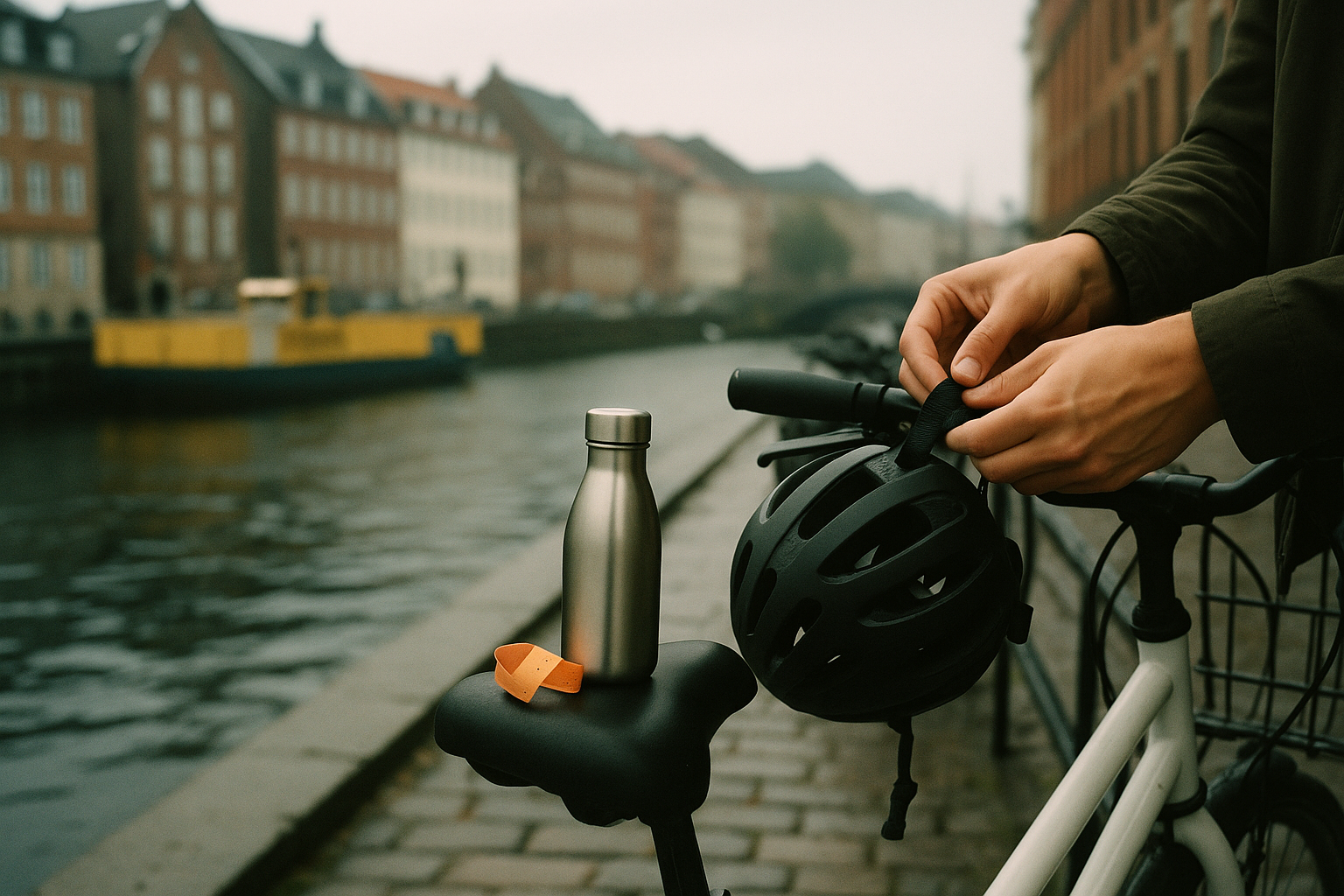
Copenhagen makes CopenPay permanent, tourist discounts spread, city turns green conduct into admission currency
- CopenPay lets tourists earn access to museums, attractions and experiences by choosing approved low-emission actions.
- Berlingske reports that Copenhagen is now making the scheme permanent after earlier trials.
- Other countries are introducing similar concepts, turning a local tourism campaign into an exportable model.
- The scheme raises a budget question: whether attractions, municipalities or taxpayers absorb the cost of the discounts.
Copenhagen is making CopenPay permanent, turning selected tourist behavior into a kind of payment system for entry to museums, attractions and other experiences. As Berlingske reports, the Danish capital will keep the scheme after earlier rounds in which visitors were rewarded for actions presented as climate-friendly.
The model is simple enough to travel. A visitor arrives by train, cycles, picks up litter or takes part in another approved activity, and in return receives free access, discounts or other benefits. Berlingske writes that similar concepts are now appearing in other countries, which suggests that CopenPay has become more than a local summer campaign. It is also a piece of city branding: Copenhagen sells itself as a place where tourism, climate policy and public image can be bundled into one product. The city gets a cleaner slogan, attractions get attention, and tourists who already have the time and money to travel gain another subsidised perk.
The harder question is what is being bought. If a tourist who would already have taken the train receives a museum discount, emissions do not fall; the city has simply attached a reward to an existing choice. If the attraction absorbs the cost, it is a marketing expense dressed in environmental language. If the municipality compensates participating venues, the bill moves to public budgets. Either way, the discount is real even if the behavioural change is hard to measure.
That matters beyond Copenhagen. Nordic cities compete aggressively for visitors while also promising lower emissions, less congestion and more orderly public space. A scheme like CopenPay offers a neat political package because it avoids direct restrictions and replaces them with rewards. But rewards still have a price, and once the concept becomes permanent, it stops being a pilot and starts behaving like policy. The city must decide which acts count as virtuous, which businesses participate, and how much public support is justified for each free ticket handed out under a green label.
Copenhagen's tourism offer now includes a municipal currency paid not in kroner but in approved conduct. The admission may be free at the door; someone still writes off the ticket.
Källor: Berlingske