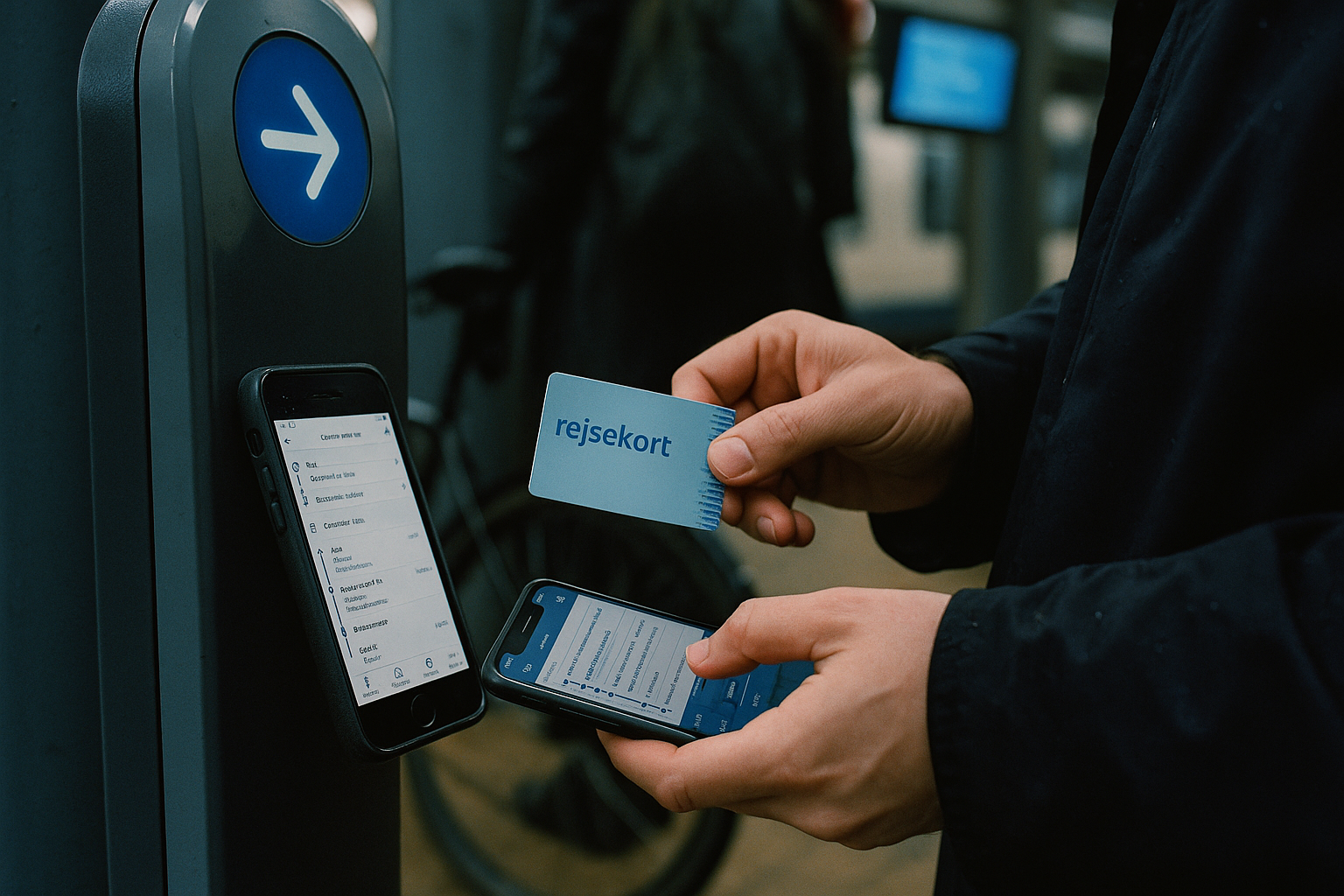
Danish watchdog reports Rejsekort operator to police, core transit platform faces scrutiny over customer information
- Politiken reports that the Consumer Ombudsman has filed a police report against Rejsekort & Rejseplan A/S.
- Rejsekort is part of the basic ticketing infrastructure used across Danish public transport.
- The case raises questions about how quasi-public digital services present terms, prices and customer information.
- Any sanction would hit a company owned by public transport actors rather than a peripheral private app.
Denmark’s Consumer Ombudsman has reported Rejsekort & Rejseplan A/S to the police for allegedly misleading customers, placing one of the country’s central public transport systems under criminal scrutiny. Writing in Politiken, the newspaper reports that the case concerns how the company behind Rejsekort communicated with users.
That moves the matter beyond a routine dispute over terms and conditions. Rejsekort is not a niche subscription service that consumers can ignore; it sits inside ordinary travel on trains, buses and metro services across Denmark. The company’s role also makes the ownership question harder to separate from the legal one. Rejsekort & Rejseplan A/S is tied to the public transport sector itself, which means the service has the reach of public infrastructure while operating through a corporate vehicle. When a supermarket chain misstates a price, customers can walk across the street. A national ticketing system leaves fewer exits.
Politiken reports the police complaint comes from the Forbrugerombudsmanden, the Consumer Ombudsman, the authority that enforces Danish marketing law and consumer-protection rules. A police report does not establish guilt, but it does show the watchdog judged the alleged conduct serious enough to move beyond informal correction. For commuters, the practical issue is what they were told and whether those statements matched the service they were actually using. In systems such as Rejsekort, small wording choices matter: a charge, a condition for reimbursement, an automatic setting or a data-related consent box can shape costs for millions of trips without most users reading more than a screen or two.
The case also puts a spotlight on accountability in Denmark’s quasi-public digital infrastructure. These services are often presented as neutral plumbing: necessary, standardised and too embedded to fail. That position brings stable users and political protection, but it can also blur responsibility when customers complain. The train operator points to the platform, the platform points to system rules, and the customer faces an interface designed by a company whose owners are part of the same transport network. Consumer law is one of the few tools that cuts through that arrangement by asking a simpler question: what exactly did the customer see, and was it true.
If the case proceeds, the legal focus will be narrow and factual. Yet the underlying service is used at station gates, on buses and in daily commuting routines across the country. The disputed information was not buried in a speculative start-up product; it sat inside the card and app many Danes use to get to work in the morning.
Källor: Politiken