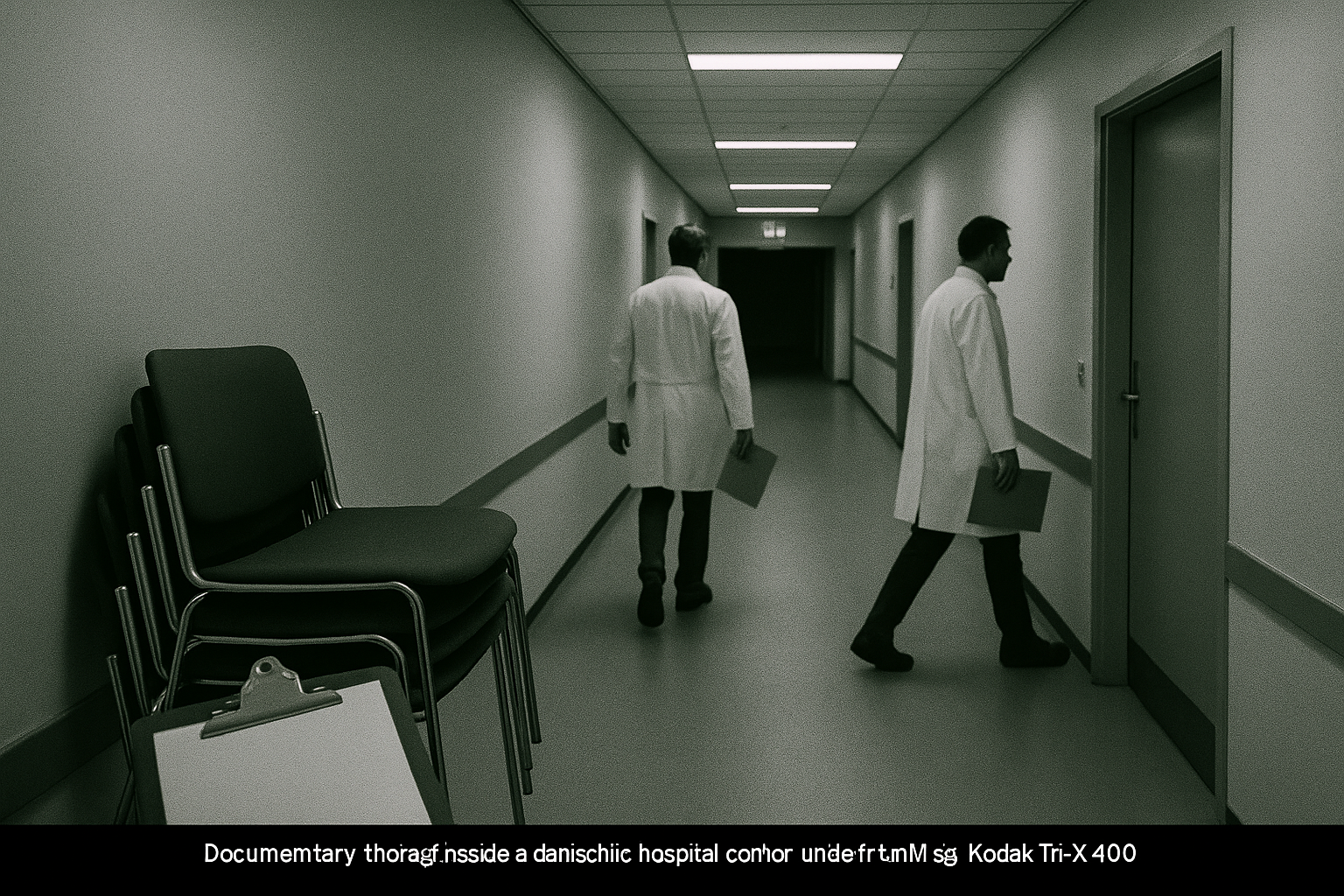
Denmark shifts adult psychiatrists to child care, waiting-list fix exposes wider shortage, criticism lands on capacity
- The government has presented an acute plan to reduce queues in child and adolescent psychiatry.
- One element is to bring in psychiatrists from adult psychiatry, a step critics call unsustainable.
- The dispute centres on whether Denmark is adding capacity or redistributing a fixed number of specialists.
- The case highlights a broader Nordic problem: psychiatric demand rises faster than specialist staffing.
Denmark’s government is trying to cut waiting lists in child and adolescent psychiatry with an acute plan that includes borrowing psychiatrists from adult services. DR reports that the proposal has already met resistance from clinicians, who describe it as a temporary patch rather than a workable answer to a specialist shortage.
The dispute is narrow on paper and broad in effect. Child and adolescent psychiatry deals with developmental disorders, family settings and age-specific diagnostics; adult psychiatry is a different specialty, even when both sit inside the same hospital structure. Moving doctors from one queue to another may shorten one list quickly, but it leaves the underlying arithmetic untouched if no new staff are added. Patients in child services may be seen earlier, while patients in adult services wait longer for the same doctor on a different ward.
According to DR’s reporting, the government’s aim is to bring down the backlog under immediate political pressure over long waits for assessment and treatment. The criticism from the profession is blunt: adult psychiatrists cannot simply be dropped into child and youth psychiatry as if the two functions were interchangeable. That objection is partly about quality and partly about throughput. A specialist working outside his or her usual field may require support, supervision or narrower tasks, which limits how much extra capacity the measure actually creates.
The plan also says something about how the Danish state is reading the problem. If the answer is to redeploy psychiatrists internally, the shortage is being treated first as a staffing-allocation problem. That avoids the slower questions: how many specialists Denmark has trained, how many leave public psychiatry, how much work is consumed by documentation, and whether the system is organised around patient flow or around preserving formal access while queues build. Acute plans are good at producing movement on paper. They are less good at creating specialists who do not yet exist.
The broader Nordic comparison is uncomfortable for governments across the region. Demand for psychiatric care among children and teenagers has risen for years, while specialist supply has lagged and waiting times have become a political issue rather than an administrative one. Denmark is now trying to buy time from inside the same workforce. The bill arrives in whichever clinic loses the doctor.
For now, the government has a stopgap and the profession has a warning. The shortage is still measured in the same psychiatrists, seeing the same number of patients, only under a new label.
Källor: DR Nyheder