Environmental groups report Nordic Mining to police, Førdefjord dispute tests Norway’s mineral strategy
- Naturvernforbundet, Natur og Ungdom and Norske Lakseelver have reported Nordic Mining to Økokrim, according to Aftenposten.
- The complaint escalates the conflict over the company’s project at Engebø and the dumping of mine waste in Førdefjord.
- The case lands in the middle of Norway’s effort to expand mineral production while presenting itself as a careful steward of coastal nature.
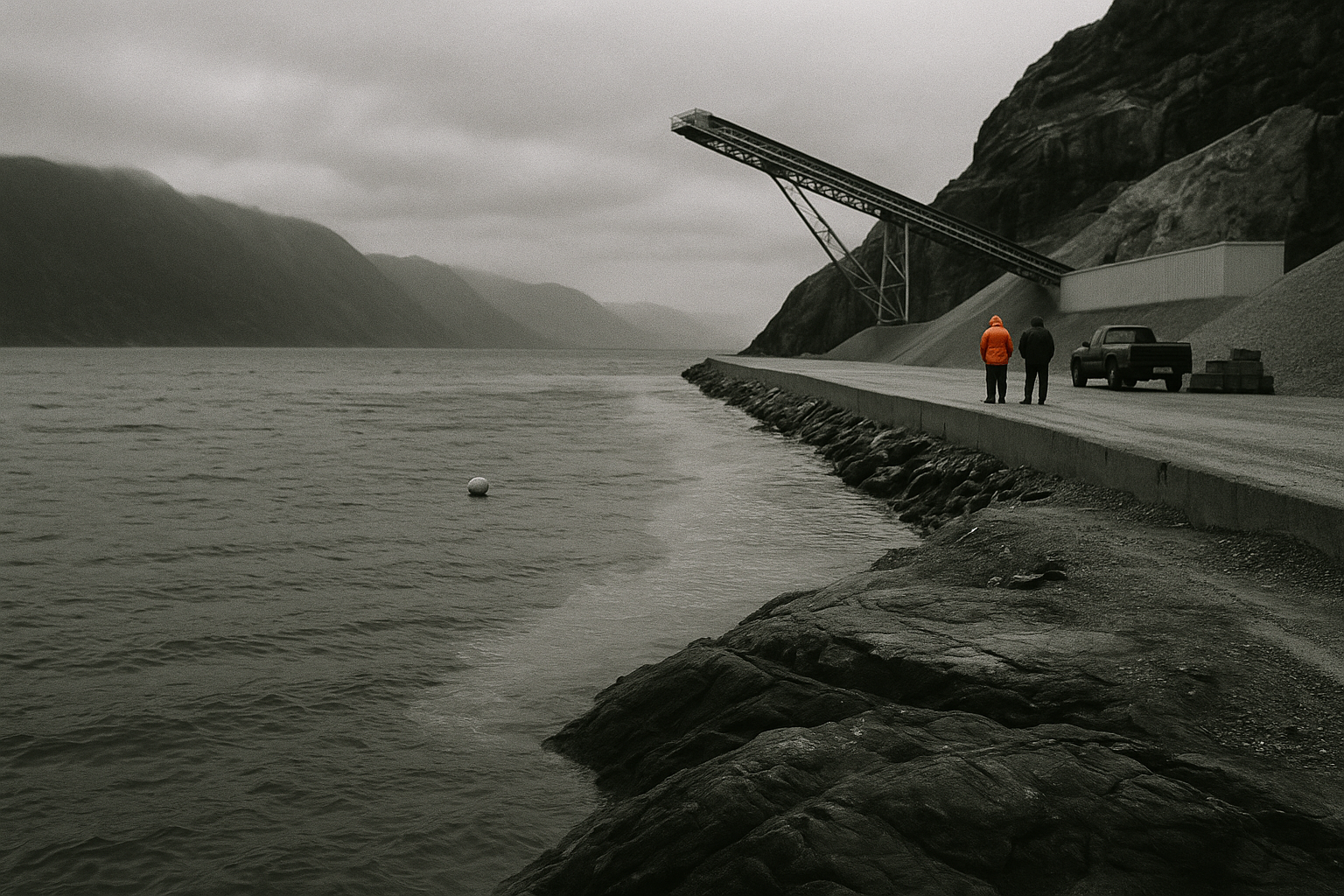
Three Norwegian environmental organisations have reported Nordic Mining to Økokrim, Norway’s economic and environmental crime authority, over the company’s mining project at Engebø on the west coast. Aftenposten reports that Naturvernforbundet, Natur og Ungdom and Norske Lakseelver filed the complaint, opening a new front in one of Norway’s longest and most contested industrial disputes.
The project has been politically sensitive for years because it combines two priorities Oslo says it wants at once: more domestic extraction of strategic minerals and strict protection of fjords, fisheries and salmon rivers. Nordic Mining’s Engebø project is built around rutile and garnet, minerals used in industrial production and export markets. The opposition has focused on the disposal of mining waste in Førdefjord, a practice environmental groups say threatens marine ecosystems and nearby fishing interests. By taking the case to Økokrim, the organisations are no longer asking only whether the project is wise or unpopular, but whether the company’s conduct may have crossed criminal thresholds under environmental law.
That matters beyond one fjord. Norway has spent the past few years presenting itself as a reliable supplier of raw materials needed by European industry, while also marketing its coastal management as a model of restraint. Engebø has sat awkwardly inside that message from the start. The state has already given the project substantial political shelter through permits and prior approvals, even as the disposal method drew domestic protests and international scrutiny. A police complaint does not reverse those decisions, but it forces the question into a different institution, where permit language, monitoring duties and actual discharges are examined line by line rather than defended from a ministerial podium.
What Økokrim is now being asked to investigate will decide whether this becomes a symbolic protest or a real obstacle. If prosecutors look at permit compliance, waste handling, environmental reporting or possible breaches tied to fjord impacts, the case could create delays even before any court reaches the merits. Other resource developers will be watching closely. A project can survive years of protests and still struggle if investors, regulators and local authorities start pricing in criminal exposure on top of ordinary licensing risk.
For the government, the timing is awkward. Norway wants the tax revenue, export income and industrial profile that follow a new mine, but the costs are concentrated locally: in the fjord, in fisheries, and in the credibility of rules meant to limit damage. The complaint leaves that balance sitting with Økokrim, and the waste is still headed for the same water.
Källor: Aftenposten