Equinor strikes oil in Barents Sea, extends Norway's Arctic bet as climate debate intensifies
- Equinor confirms oil discovery at Polynya Tubåen prospect in the Barents Sea
- The find extends Norway's Arctic exploration strategy amid political tension over climate commitments
- Fresh Barents Sea reserves feed directly into the fiscal equation underpinning Norway's defence spending and welfare state
- Commercial viability and recoverable volumes remain to be fully assessed
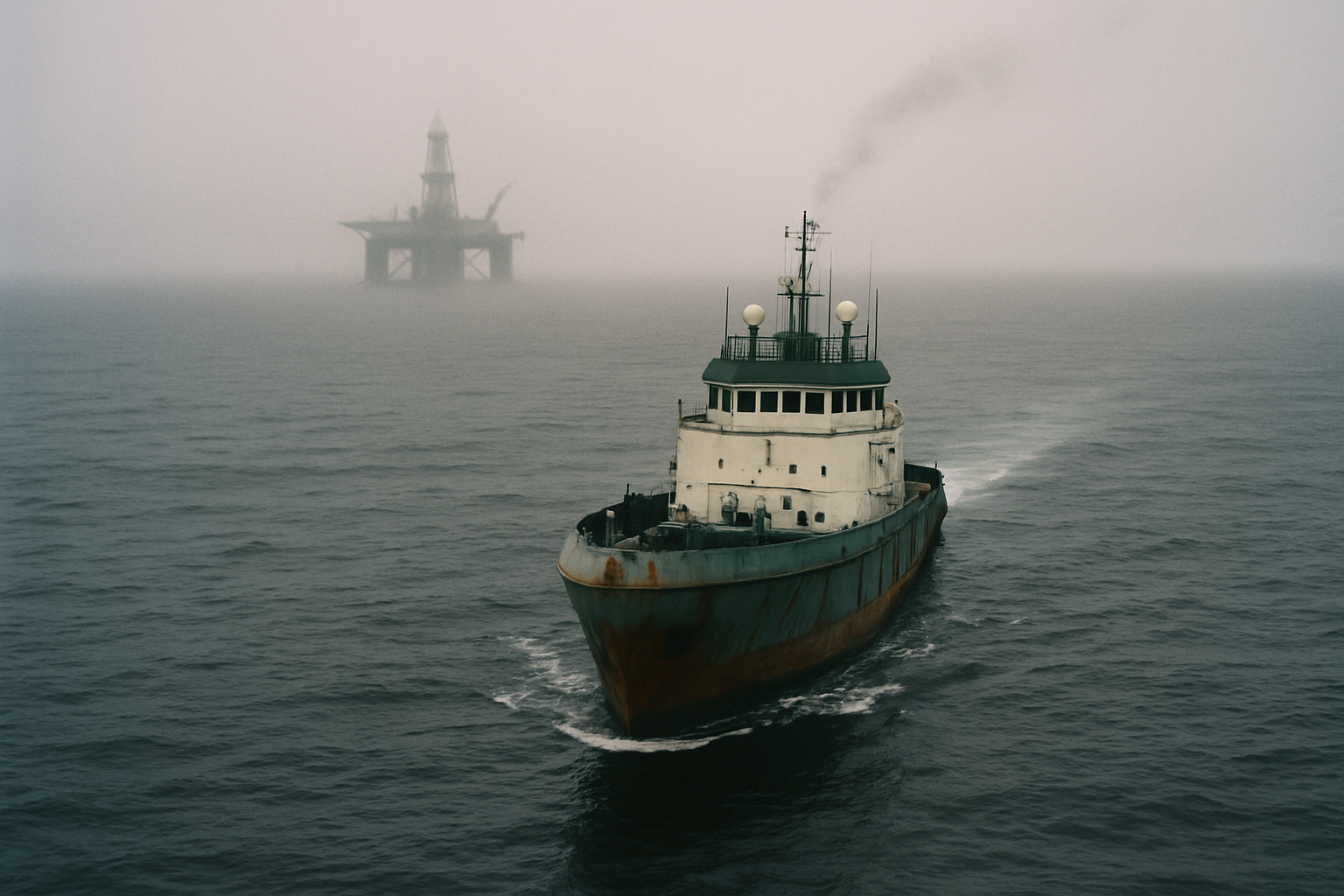
Equinor and its partners have made an oil discovery at the prospect known as Polynya Tubåen in the Barents Sea, Nettavisen reports. The find adds another entry to Norway's growing list of Arctic hydrocarbon discoveries, coming at a moment when Oslo's appetite for northern exploration is both politically charged and fiscally consequential.
Details on recoverable volumes and commercial viability have not yet been fully disclosed. Appraisal work will determine whether the discovery justifies development — a process that in the Barents Sea can take years, given the harsh operating environment and the distance from existing infrastructure. But the mere fact of a new find matters. Each discovery in the Barents Sea strengthens the hand of those in Oslo who argue that Norway's continental shelf still holds substantial untapped value, and that walking away from it would be an act of economic self-harm.
Norway's petroleum sector is the engine that powers the Government Pension Fund Global — the world's largest sovereign wealth fund, currently valued at roughly 18 trillion kroner. That fund, in turn, underwrites everything from hospital budgets to the long-term defence plan that the Labour government is currently presenting. The fiscal chain is direct: barrels in the ground become kroner in the fund become fighter jets and welfare payments. Critics who call for a managed wind-down of Norwegian oil production rarely spell out which end of that chain they propose to cut.
The Barents Sea remains Norway's most contested exploration frontier. Environmental groups argue that Arctic drilling carries unacceptable ecological risk and is incompatible with the Paris Agreement targets Oslo has signed. The industry counters that Norwegian gas displaces coal in European power generation and that the country's strict regulatory regime makes it the safest place in the world to produce hydrocarbons. Both claims contain truth; neither resolves the underlying tension between Norway's identity as a climate leader and its economic dependence on fossil fuel extraction.
What is clear is that Oslo shows no sign of slowing down. The government has continued to award exploration licences in the Barents Sea through successive licensing rounds, and Equinor — in which the Norwegian state holds a 67 percent stake — remains the most active operator in the region. The Polynya Tubåen discovery fits a pattern: incremental finds that individually may not rival the giant Johan Sverdrup field in the North Sea but collectively sustain the argument that Norway's petroleum age is far from over.
The Barents Sea now accounts for a growing share of Norway's exploration activity. Whether it will ever account for a proportional share of production depends on geology, oil prices, and political will. For now, Oslo has all three working in its favour — a combination that no amount of climate rhetoric from the same government has managed to disrupt.
Sources: Nettavisen