EU recycled-plastic quota hits car market, Swedish buyers face higher prices, supply chain still missing
- The proposed ELV regulation would require 20 percent recycled plastic in future vehicles.
- Mobility Sweden says the rule could make new cars more expensive for Swedish consumers.
- RISE researcher Annika Boss says systems for recycling plastic from scrapped cars are not in place today.
- The measure shifts compliance costs to carmakers first, while recyclers and processors still need to build the supply chain.
EU member states are due to decide on Monday whether to press ahead with a rule forcing carmakers to use more recycled plastic in new vehicles. According to Sveriges Radio Ekot, the proposed ELV regulation would require 20 percent of the plastic in future cars to come from scrapped vehicles, a change that Mobility Sweden says could raise prices for Swedish buyers.
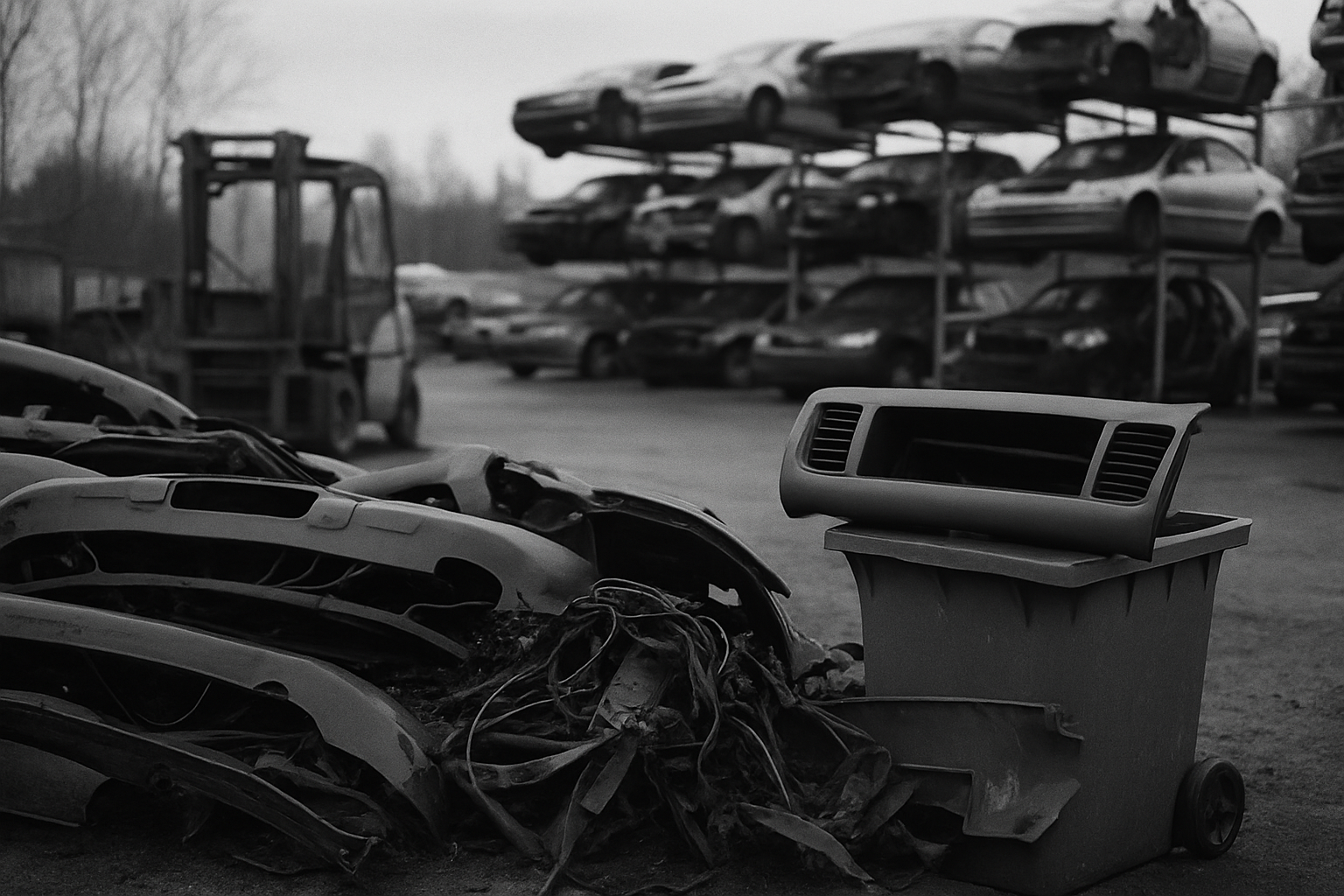
The requirement targets a real bottleneck. Modern cars contain large amounts of plastic spread across dashboards, trims, housings, cables and mixed composite parts, but collecting, sorting and reprocessing that material from end-of-life vehicles is still limited. Ekot cites Annika Boss, a researcher at RISE, saying that systems for recycling plastic from scrapped cars do not exist today and that the demands are tough. That leaves carmakers facing a quota before the feedstock, sorting capacity and industrial processes are ready.
The cost question follows from that sequence. If manufacturers must document that one fifth of vehicle plastic comes from old cars, they either pay more for a scarce compliant material or invest in new contracts, traceability systems and redesign work to make parts easier to recover and reuse. Those costs do not stay in Brussels paperwork. In Sweden, where new cars are already burdened by high household borrowing costs, taxes and elevated input prices, another regulated material requirement lands at the showroom.
The rule also redistributes bargaining power along the chain. A mandatory quota creates demand for a specific recycled input regardless of whether enough suppliers can deliver it at scale, giving early recyclers and processors a stronger position while manufacturers compete for limited volumes. If the supply remains thin, imported compliant material may fill the gap, weakening the circular logic the regulation is meant to create. The result could be a market in which the certificate matters before the recycling loop does.
For Sweden, the follow-up question is industrial rather than rhetorical: can dismantlers, recyclers, plastics processors and carmakers build a workable chain from scrapped vehicles to new production fast enough to meet the target. The regulation says 20 percent. Ekot's reporting says the system to produce it is still missing.
Källor: Sveriges Radio Ekot