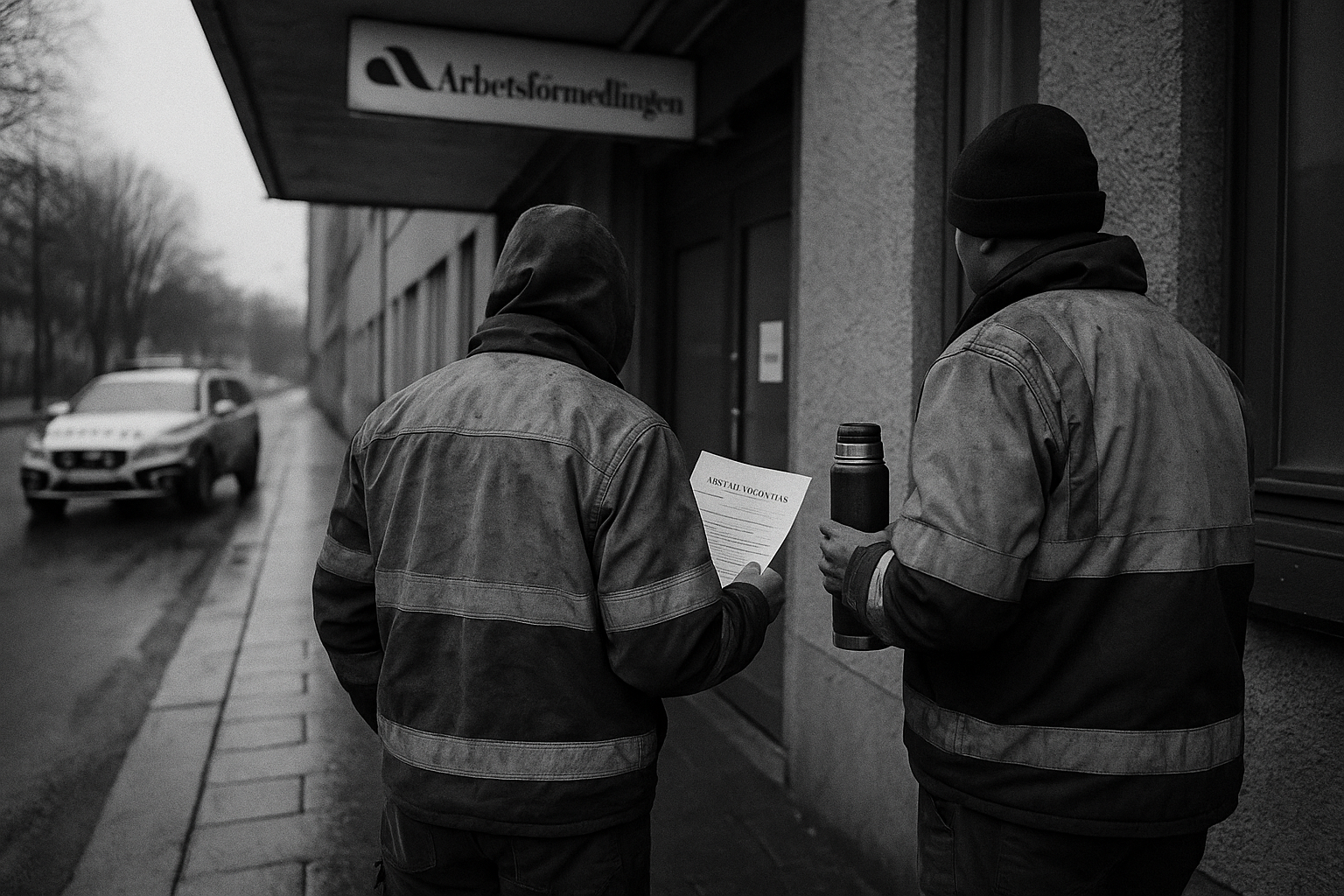
Finland criminalises labour exploitation, migrant-heavy sectors face scrutiny, enforcement record now tested
- The new offence covers severe cases such as workers paying illegal fees to obtain a job.
- Industries exposed to abuse include cleaning, construction, restaurants, agriculture, logistics and other low-wage subcontracting chains.
- The central question is less the wording of the law than whether labour inspections, police and prosecutors will use it more effectively than existing tools.
Finland's parliament on Wednesday approved a new criminal offence for labour exploitation, with penalties reaching four years in prison in the gravest cases. Writing in Iltalehti, the newspaper reports that the law is aimed at the most blatant forms of abuse, including illegal entry fees paid by workers to secure a job.
The legislation arrives after years of warnings from labour inspectors, police and anti-trafficking officials about business models built on workers who are easy to underpay and hard to replace. In Finland, those cases have clustered in the same parts of the economy: cleaning, restaurants, construction, agriculture, berry picking, transport and warehouse work, where subcontracting is common, margins are thin and the person signing the contract is often not the person controlling the work. Migrant workers are overrepresented because residence status, debt, language barriers and dependence on employer-provided housing narrow the cost of refusal. A worker who loses the job can lose the room, the pay and, in some cases, the legal basis for staying in the country at the same time. That gives an employer more than a wage relationship; it gives him a queue of people who cannot easily walk away.
Finland already had offences covering extortionate work discrimination, human trafficking, usury and occupational safety violations. The problem was visible all the same. Inspectors could document unpaid wages, excessive hours, sham invoices or unlawful deductions, yet the threshold between an administrative breach and a criminal case remained hard to clear, and the path from inspection to prosecution was slow. The result was an enforcement system crowded with statutes and thin on deterrence: employers could be caught, ordered to correct records, repay wages or face narrower charges, while the underlying business still ran on labour priced below the legal minimum. A new offence may close part of that gap if prosecutors can use it to describe what these cases often are: not isolated payroll errors but organised extraction from workers with little bargaining power.
Whether employer behaviour changes will depend less on the maximum sentence than on the certainty of being investigated. Sectors most exposed to abuse are also sectors where the state inspects only slices of the market and where supply chains disperse responsibility across agencies, franchise operators and subcontractors. If the same inspection resources, translation capacity and police attention remain in place, the law risks becoming another paragraph cited after the damage is done. If it is used early, against employers who charge for jobs, confiscate pay through deductions or tie wages to debt, the calculation changes quickly. Four years in prison is a different line item from a labour-law correction notice.
Parliament has now supplied the new offence. The next test is whether it reaches the kitchen basement, the greenhouse dormitory and the construction site subcontractor before the wages disappear again.
Källor: Iltalehti