Finland hits record Legionella infections from soil, Nordic-wide spike baffles health authorities
- Finland recorded its highest-ever number of soil-borne Legionella cases, distinct from the water-system infections typically associated with the disease
- The increase is mirrored across the Nordic countries, suggesting shared environmental or climatic drivers rather than local contamination
- Health authorities have not identified a cause and no coordinated Nordic surveillance or regulatory response is yet in place
- Gardeners handling compost and soil are the primary risk group, raising questions about product safety and labelling
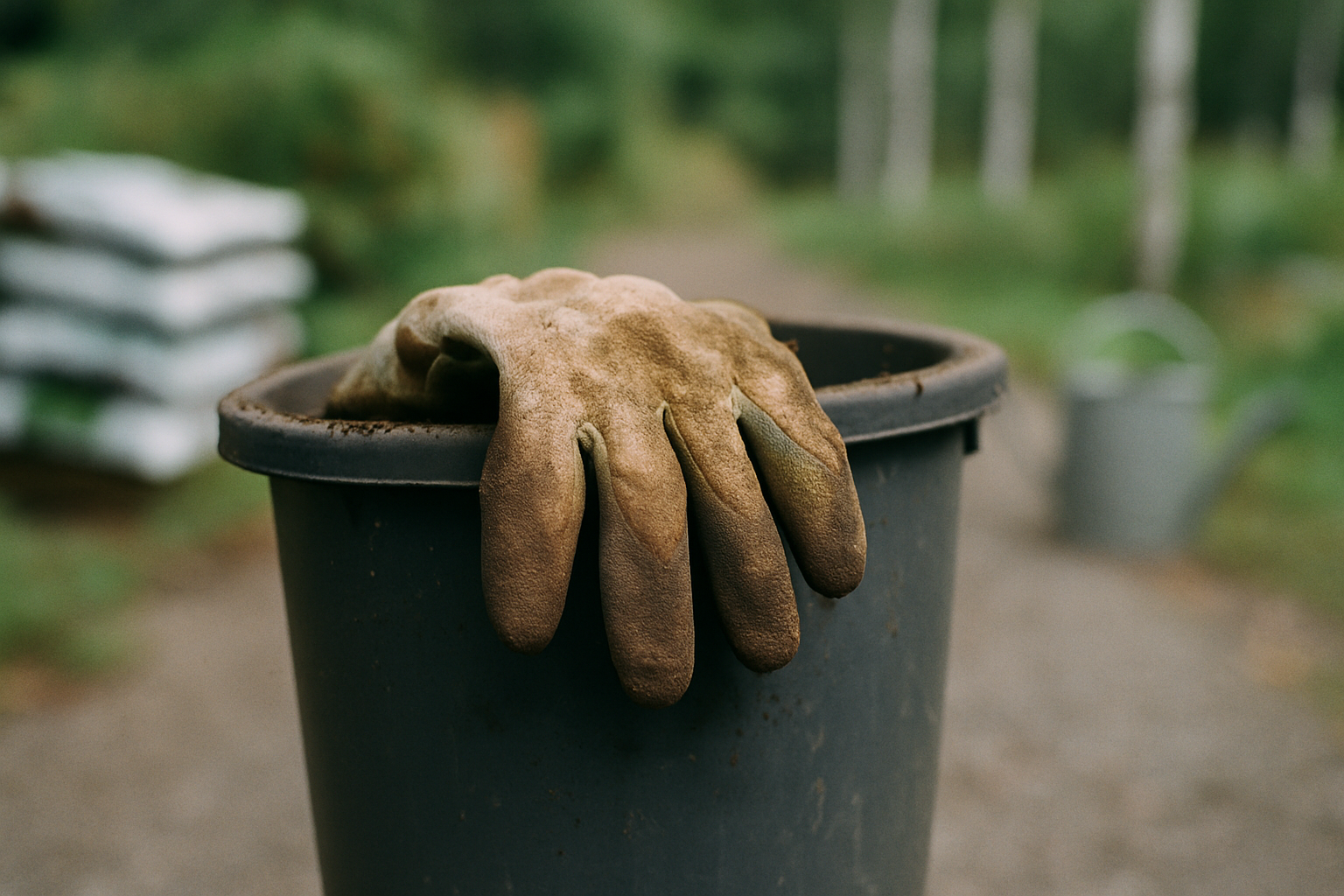
Finland recorded a record number of Legionella infections acquired from soil and garden compost in 2024, Helsingin Sanomat reports. The cases are distinct from the water-system outbreaks typically associated with Legionnaires' disease — these patients contracted the bacterium from handling earth, potting mix, and compost. The spike is not a Finnish anomaly: all Nordic countries are seeing the same pattern, and no one can explain why.
Legionella longbeachae, the species most commonly found in soil, has been a known hazard in Australia and New Zealand for decades, where compost bags carry health warnings. In the Nordics, the bacterium was until recently considered a marginal concern. That has changed. Finnish health authorities confirmed the record in their 2024 infectious disease data, and equivalent agencies in Sweden, Norway, and Denmark have reported parallel increases in ground-acquired cases over recent years.
The obvious suspect is climate. Warmer and longer growing seasons across the Nordic region mean more people gardening for more months of the year, handling more compost and soil. Milder winters may also allow Legionella to survive in ground conditions where it previously could not overwinter. But this remains speculation. Finnish authorities have not pinpointed specific compost products or soil types responsible, and no epidemiological study has yet established a causal link between Nordic temperature changes and the bacterium's proliferation in soil.
What is striking is the absence of a coordinated Nordic response. The five countries share similar climates, similar gardening cultures, and in many cases import compost and soil products from the same suppliers. A bacterium thriving in Finnish garden soil is likely thriving in Swedish and Norwegian soil under comparable conditions. Yet there is no joint surveillance programme, no shared database of soil-borne Legionella cases, and no common approach to product labelling or consumer warnings. Each country's public health agency is tracking its own numbers in its own system.
The regulatory gap is notable. In Australia, bags of potting mix carry mandatory warnings advising consumers to wear gloves and a mask, moisten the product before use, and wash hands afterwards. No equivalent labelling exists in any Nordic country. Finnish health authorities have issued general advice about hand hygiene when gardening, but nothing approaching the Australian standard — despite the fact that Nordic case numbers are now rising on a trajectory that mirrors Australia's experience before it introduced its warnings.
The population most at risk is also the population least likely to consider gardening dangerous: older adults with underlying health conditions, the demographic that fills Nordic allotment gardens and greenhouse clubs every spring. Legionnaires' disease causes severe pneumonia and carries a case fatality rate of roughly 5–10 percent even with treatment. For immunocompromised patients, the rate is higher.
Finland's 2025 gardening season is already underway. The compost bags on sale at hardware stores across Helsinki carry no health warnings.
Sources: Helsingin Sanomat