Finland scrappage bonus draws VATT criticism, subsidy lifts car sales more than emissions cuts
- VATT researchers say the current scrappage bonus mainly increases car purchases without meaningful emissions reductions
- The subsidy is justified by removing older cars from the road and replacing them with lower-emission vehicles
- The criticism turns the debate toward cost, who captures the sales boost, and whether climate branding is masking industrial support
- Finland’s scheme fits a wider Nordic pattern of tax-funded consumer incentives with mixed evidence on actual decarbonisation
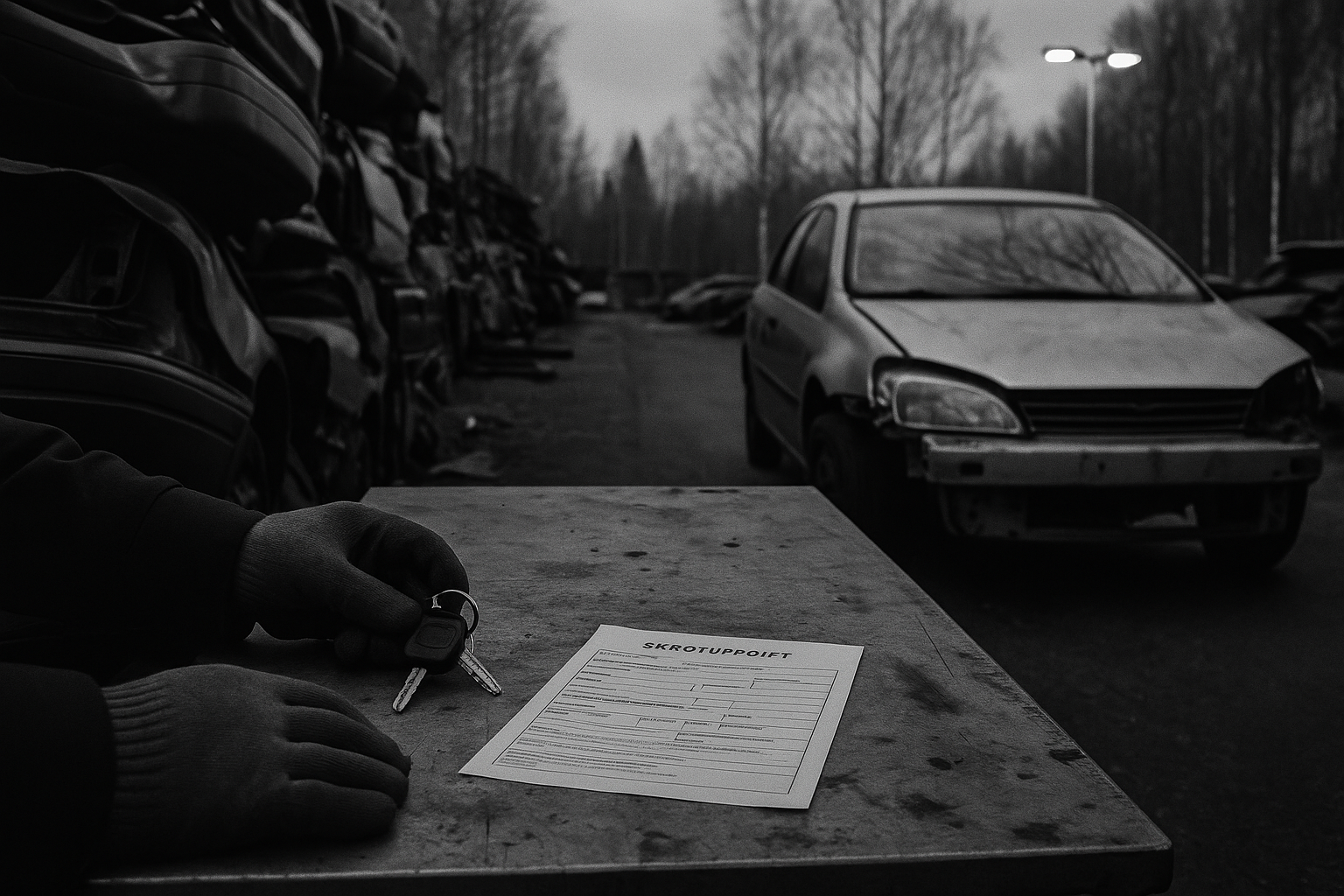
Finland’s car scrappage bonus, in force until 2027, is drawing criticism from researchers at the VATT Institute for Economic Research, who say the measure largely functions as a purchase subsidy rather than an emissions policy. Writing on the issue, Iltalehti reports that VATT researchers describe the current scheme as one that “in practice only increases car buying, without significant effects on emissions.”
The official case for a scrappage bonus is simple enough: older cars leave the fleet and lower-emission vehicles replace them. The criticism begins where that sales pitch meets actual behaviour. If households use the subsidy to bring forward a purchase they already planned to make, the state has paid for a transaction that would have happened anyway. The environmental gain then shrinks to the difference between the old car and the replacement, while the fiscal cost remains fully public. Car dealers and manufacturers get the immediate demand boost; taxpayers finance it through the budget.
That matters in Finland’s car market, where households have already been under pressure from higher interest rates, weaker purchasing power and rising ownership costs. A bonus aimed at “green transition” goals also works as a support measure for new-car sales during a slow market. VATT’s criticism cuts through that overlap. A policy can move inventory and still do little for aggregate emissions, especially if the oldest vehicles would have been retired soon anyway or if the replacement is merely somewhat cleaner rather than transformative. The state then buys visible activity — scrapped cars, signed sales contracts, ministerial press releases — while the emissions ledger barely moves.
The same question has surfaced elsewhere in the Nordics. Sweden has cycled through its own vehicle incentives, including the bonus-malus system, with repeated revisions after costs rose and effects disappointed. Across the region, governments have preferred tax-funded nudges that are easy to announce and easy for consumers to understand. They are harder to defend once the accounting shifts from headline numbers to marginal emissions reductions per euro spent. The recurring pattern is that broad subsidies reward the households already closest to buying a newer vehicle, while those without the money to enter the market pay alongside everyone else.
In Finland, the immediate dispute is over one car subsidy. The more durable question is why climate policy so often arrives as a retail campaign with public financing. The bonus runs until 2027; the researchers’ complaint is that the exhaust savings do not.
Källor: Iltalehti