Finland warns gardeners of Legionella in soil products, infections hit record levels
- Finnish authorities warn consumers not to inhale dust from dry soil and compost products, which can carry Legionella bacteria
- Finland's Legionella infections are increasingly soil-acquired, unlike other Nordic countries where water systems are the primary source
- THL and Ruokavirasto advise moistening soil products before use and wearing a mask when handling dry compost
- No mandatory labelling requirements for Legionella risk on gardening products have been announced
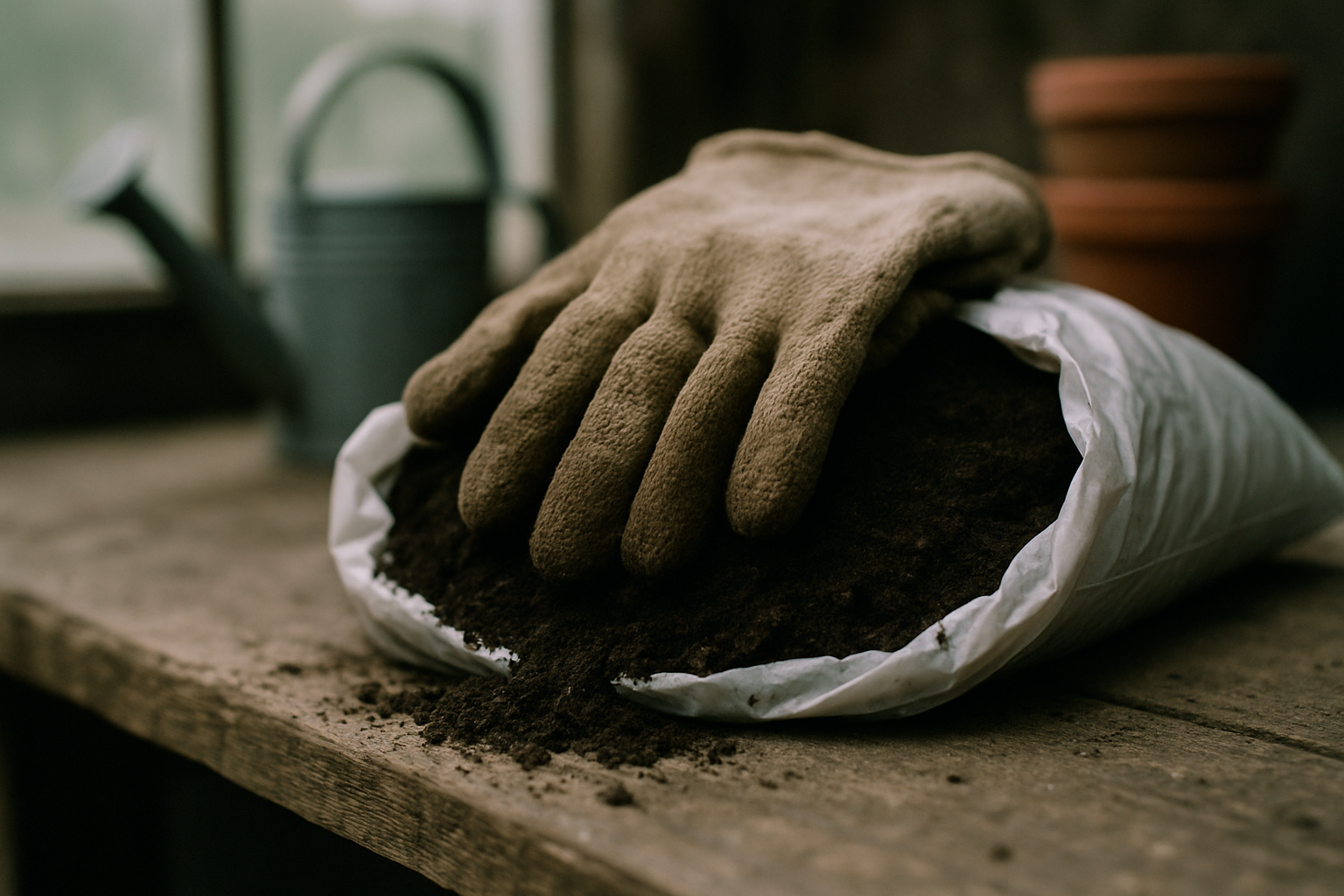
Finland's national health institute THL and food safety authority Ruokavirasto have issued a joint public warning urging consumers not to inhale dust from dry soil and compost products, which can harbour Legionella bacteria capable of causing severe pneumonia. The advisory comes as Finland records rising numbers of Legionella infections traced not to contaminated water systems — the conventional source across the rest of Europe — but to ordinary gardening products sold in hardware stores and garden centres.
The practical guidance is simple: moisten dry soil and compost before handling, avoid tearing open bags in enclosed spaces, and wear a protective mask when working with dusty products. THL notes that Legionella longbeachae, the species most commonly found in soil, can cause legionnaires' disease just as readily as the waterborne Legionella pneumophila that typically dominates infection statistics in Denmark, Sweden, and Norway. Finland's climate and gardening habits — short, intense growing seasons that send millions of Finns to their garden plots and summer cottages in a compressed window — create a distinct exposure pattern.
The question the advisory does not answer is why formal guidance arrives only now. Soil-acquired Legionella has been climbing in Finnish statistics for several years, and THL's own surveillance data has flagged the trend. In Australia and New Zealand, where soil-borne Legionella has been a recognised hazard for decades, compost bags carry mandatory health warnings. Finland has no equivalent labelling requirement, and neither THL nor Ruokavirasto has indicated that one is forthcoming. The warning, in other words, places the burden entirely on individual consumers to know about a risk that most have never heard of.
Across the other Nordic countries, Legionella control focuses almost exclusively on building water systems — cooling towers, hot water tanks, shower heads. Denmark's Statens Serum Institut and Norway's Folkehelseinstituttet track outbreaks linked to hotels, hospitals, and industrial installations. Soil barely features. Finland's divergent infection profile suggests either that Finnish gardening products carry higher bacterial loads, that Finnish testing has become better at identifying the soil route, or both. The distinction matters: water-system Legionella is managed through building codes and maintenance regulations, while soil-borne Legionella falls into a regulatory gap between food safety, consumer product standards, and public health surveillance.
For now, Finnish gardeners get an advisory notice on a government website. Australian compost bags get a skull-and-crossbones warning printed on the packaging.
Sources: YLE Uutiset