Fly infestation hits east Helsinki, residents blame months of inaction, city faces sanitation questions
- Residents say flies are getting into eyes and ears and keeping people awake at night
- The problem has been reported since June and appears to affect Alppikylä as well as nearby Jakomäki and Heikinlaakso
- The case raises questions about waste handling, environmental conditions and municipal response times
- Responsibility may fall between the city, landowners and property managers if the source is not identified quickly
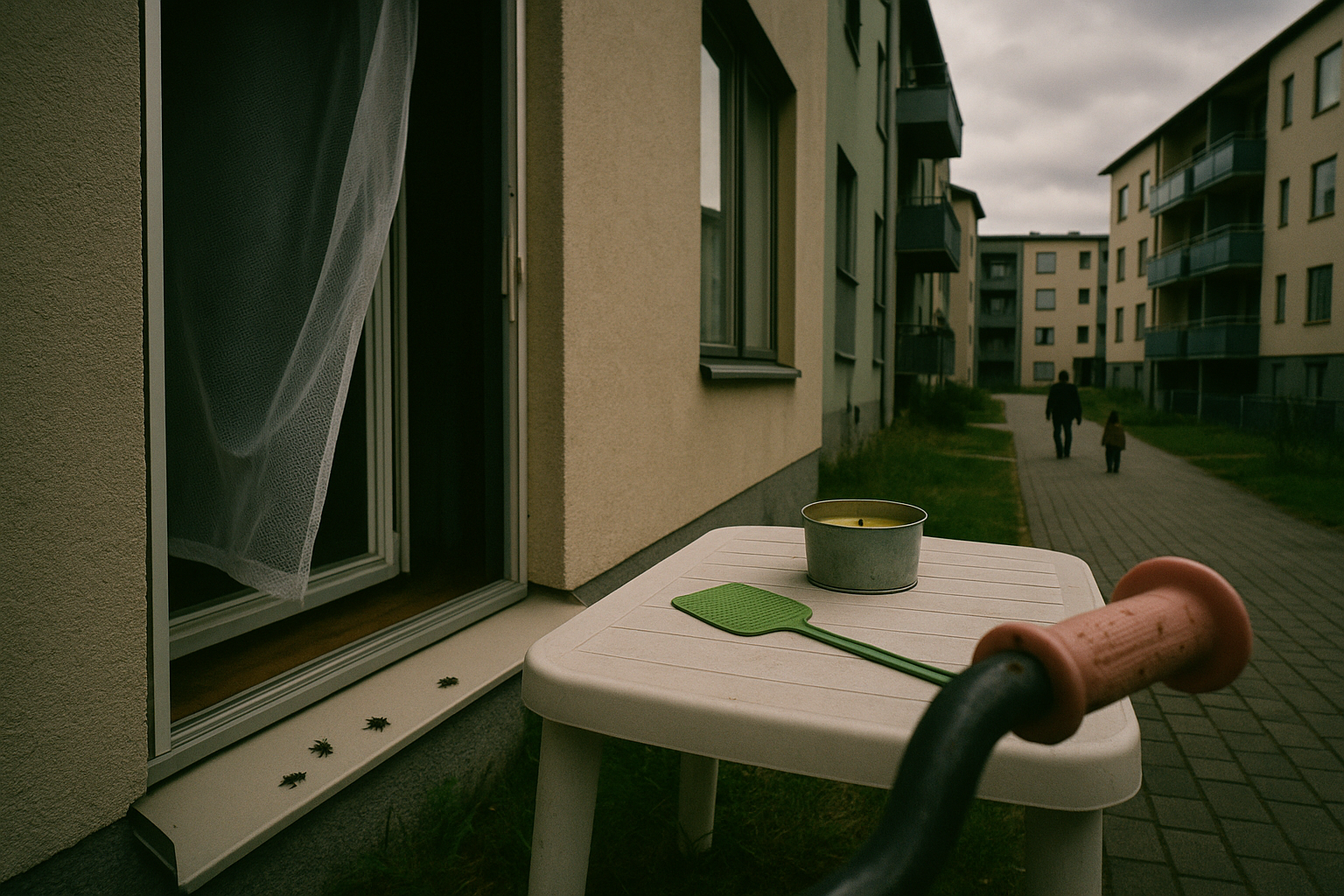
A fly infestation that residents describe as unbearable has gripped Alppikylä in eastern Helsinki since June, with complaints also coming from nearby Jakomäki and Heikinlaakso. Iltalehti reports, citing Helsingin Sanomat, that locals say flies are landing on skin, getting into eyes and ears, and keeping people awake at night.
The scale matters. One bad rubbish room or one neglected yard can irritate a building; residents here describe a problem spreading across several neighbouring areas. That points to a larger source or to several unmanaged ones: waste collection points, compost, animal-related waste, damp organic material or other sanitation failures that let flies breed faster than they are removed. Summer heat can accelerate that cycle, but a problem lasting from June into late summer also raises a simpler question: why it was allowed to continue long enough to affect whole residential blocks.
For residents, the cost is immediate and concrete. Open a window and flies come in. Try to sleep and they keep circling. Step outside and they land on faces. Those are quality-of-life complaints, but they also become a municipal issue once ordinary use of homes, courtyards and public space starts to break down. If the source lies on city land, the city has a maintenance problem. If it lies on privately managed property, then housing companies, landlords or contractors may have let a local hygiene problem spread across district lines.
The story also fits a wider urban pattern: responsibility is diffuse until the nuisance becomes impossible to ignore. Residents can report, property managers can refer complaints onward, and city departments can wait for environmental inspections or pest-control assessments while the breeding cycle continues. Flies do not need much bureaucracy to multiply. They need warmth, organic matter and time.
What happens next depends on identifying the source, not just treating the symptoms. Spraying or trapping adult flies may bring temporary relief, but if waste handling, drainage, composting or another breeding site remains in place, the insects return. In Alppikylä, Jakomäki and Heikinlaakso, residents have already had most of the summer to test that proposition from their windowsills and bedrooms.
Källor: Iltalehti