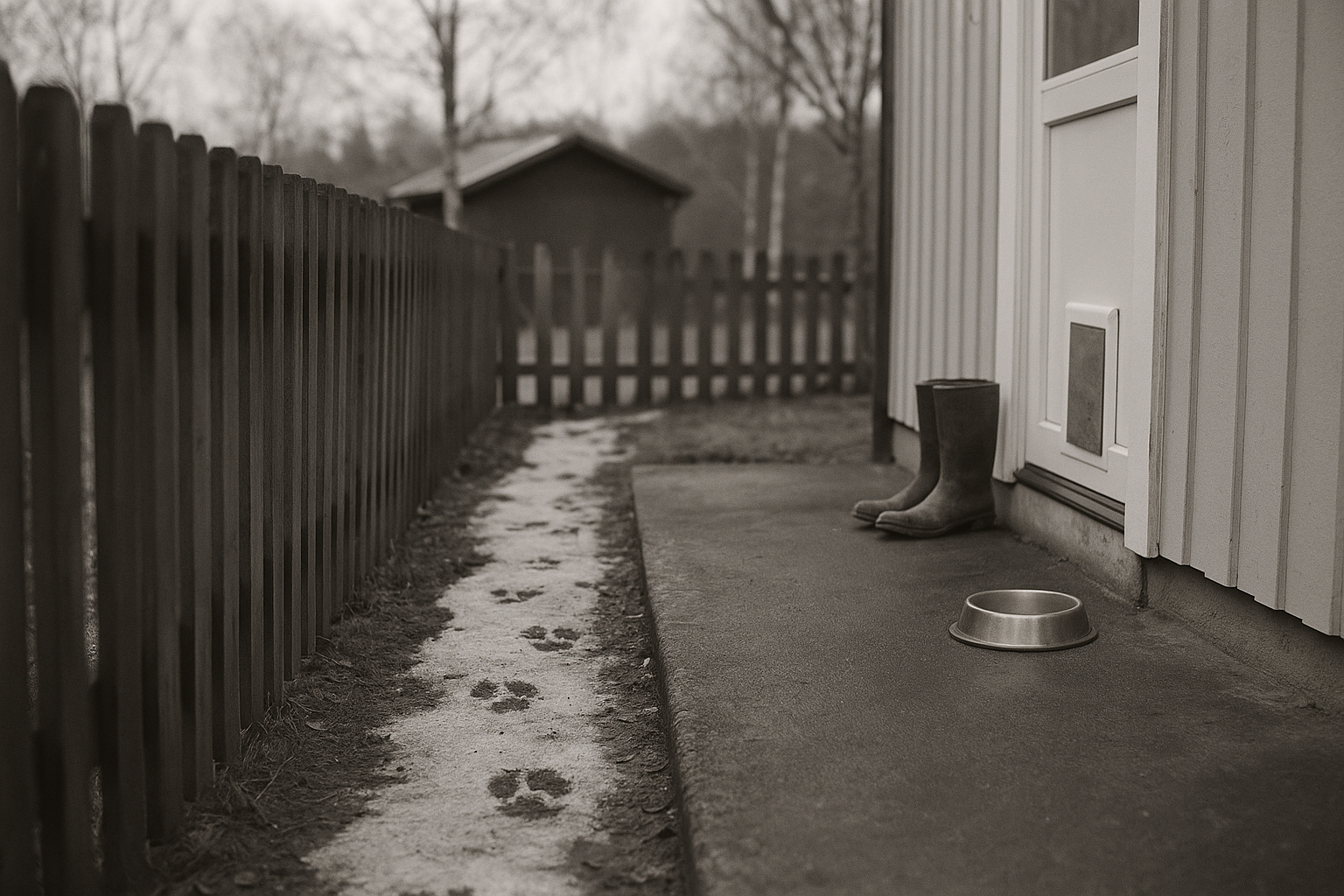
Fox attacks hit Krokek, suburbs meet wildlife at garden fence
- A cat was killed and several others were reportedly attacked in Krokek outside Norrköping.
- Residents are being urged to keep cats indoors, especially at night, and avoid leaving food outside.
- The case fits a broader suburban pattern as foxes adapt to housing areas on the edges of Swedish towns.
A cat was killed and several others were attacked in Krokek, north of Norrköping, prompting warnings to local pet owners. Aftonbladet reports, citing Sveriges Radio P4, that foxes in the area have frightened residents after repeated incidents involving outdoor cats.
The immediate advice has been blunt. Cat owners are being told to keep their animals indoors, especially during evening and night hours when foxes are more active. Residents are also being urged not to leave pet food outdoors, a small habit that can turn gardens and patios into regular feeding points for wild animals. Once foxes start moving through a residential area for easy food, the distance between forest edge and back door shrinks quickly.
For local authorities, these cases sit in an awkward category: serious enough to unsettle a neighbourhood, too limited to trigger a large public response. Sweden's urban and suburban fox population is hardly new. Foxes have long adapted to villa districts, allotment gardens and green corridors around larger towns, feeding on rodents, waste, compost and unattended food bowls. What changes the mood is not the animal's presence but the point at which it starts taking pets in places residents think of as domestic space.
Krokek lies in exactly that kind of border zone, where housing meets woodland and open land. As development pushes farther into former rural areas, encounters with deer, wild boar and foxes become less occasional and more routine. The costs are carried privately: injured pets, veterinary bills, anxious owners and children told not to approach animals that used to be treated as part of the scenery. Public agencies can issue advice, but most of the burden falls on households changing their own habits.
Whether this is an isolated cluster or part of a wider local pattern is still unclear from the reporting so far. What is clear is that the response begins at the household level: keep cats inside, secure bins, remove food sources and report repeated aggressive behaviour if it continues. In Krokek, the line between nuisance wildlife and a public-safety issue now runs across ordinary gardens, where one cat has already been found dead.
Källor: Aftonbladet