Fyresdal data center divides village, rural Norway trades forest for server halls
- Fyresdal’s mayor presents the project as a new industrial opening for a small municipality with limited private-sector growth.
- Neighbors near the site describe a direct loss of scenery and quiet as large industrial buildings move into forest land.
- The project raises the usual data-center questions: how many permanent jobs follow the construction phase, who pays for grid and road upgrades, and where the profits end up.
- Fyresdal fits a wider Nordic pattern in which rural municipalities are asked to host power-hungry digital industry in exchange for a narrow local revenue stream.
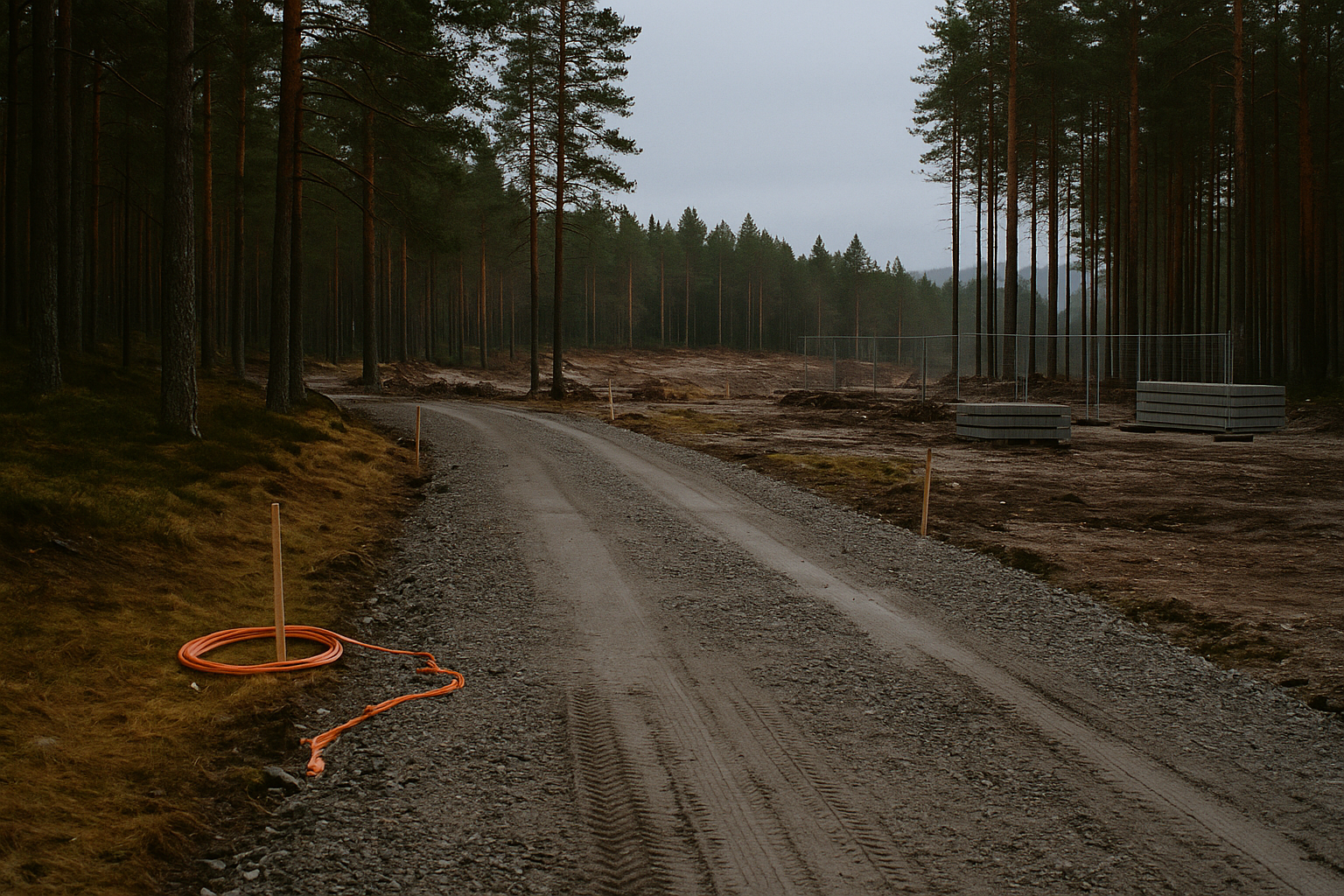
In Fyresdal, a municipality of roughly 1,200 people in inland Telemark, the next industrial project is not a sawmill or a factory but a data center: 25-metre-high walls planned in a pine forest beside homes and holiday properties. VG reports that the mayor is selling the scheme as a chance to secure jobs and tax revenue, while neighbors are preparing for the loss of what used to be a quiet woodland edge.
The dispute is larger than one building permit. Data centers arrive wrapped in the language of future industry, but their local footprint is immediate and physical: fenced compounds, heavy power demand, road traffic during construction and large structures that do not blend into a valley because the owner calls them digital infrastructure. For a small municipality, even a modest payroll can look attractive. The harder question is what remains after the concrete is poured and the cable trenches are dug. Data centers usually promise a burst of construction work first; the permanent staffing needs after completion are often far smaller than the scale of the site suggests.
That matters in places like Fyresdal, where each new private job counts and where municipal leaders have few large investors to choose from. A project like this can broaden the tax base, but it can also push costs onto the public side before the revenue arrives. Grid capacity, road access, water and other enabling works do not appear out of thin air. If the municipality, county authorities or the power system must absorb part of that bill, the balance changes quickly. The electricity question sits underneath the entire model: cheap and reliable Nordic power is the product being sold, while the visual and land-use costs stay where the buildings stand.
Ownership also decides who keeps the upside. A rural municipality can collect property-related income and a small number of salaries can circulate in local shops and services. The larger returns from a successful data center — rents, operating margins, asset appreciation — usually accrue to the company that owns the facility and the capital behind it. The server hall stays in the forest; the profits are free to travel. That has become a recurring bargain across the Nordics, where remote municipalities with available land and power are asked to host battery plants, wind farms and data centers marketed as green modernization.
In Fyresdal, the argument has been reduced to a clear local picture: the mayor sees an industrial opening, the neighbors see 25-metre walls in the trees. The walls, if they come, will stand in the forest whether the long-term gains stay there or not.
Källor: VG