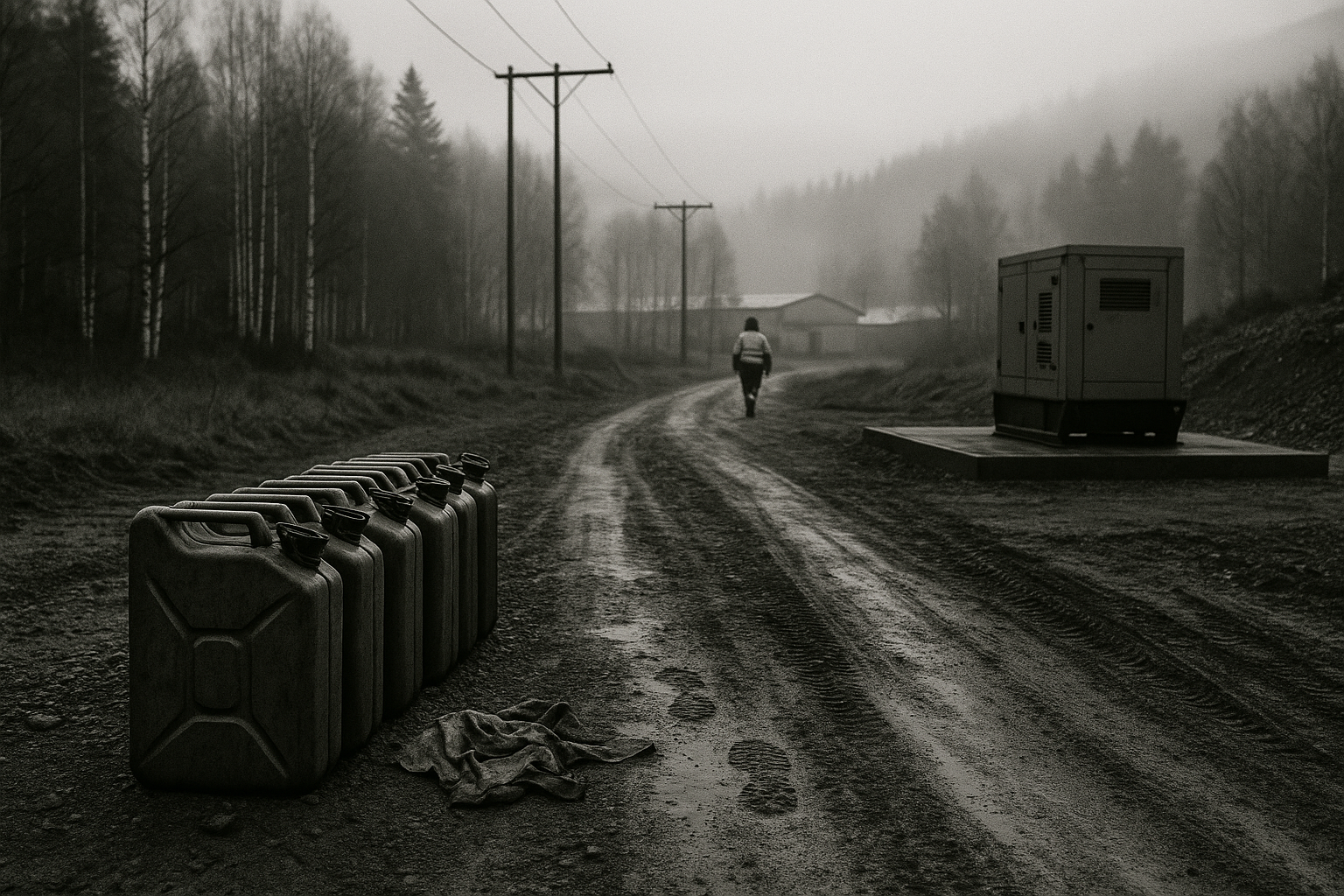
Fyresdal data center plans diesel burn, backup rules permit fossil load, municipality carries local cost
- VG reports the facility could use almost one million litres of diesel annually, roughly the same as 1,600 cars.
- The diesel demand comes from backup generators that must be tested regularly, turning standby power into routine fuel consumption.
- Fyresdal would host the emissions and industrial footprint while the data-center business model is aimed at external customers.
- The case exposes a gap between 'green growth' marketing and the physical infrastructure required to keep data centers running.
A planned data center in Fyresdal, a rural municipality in Telemark, is set to use almost one million litres of diesel a year. VG reports that the fuel would be burned in backup generators, a volume one climate researcher compared to the annual diesel use of about 1,600 cars.
The project is digital on paper and industrial on the ground. What is being built is not only server space but a power system large enough to require extensive standby generation, regular test runs and fuel logistics on a scale more often associated with heavy infrastructure than with the clean, weightless language used to sell cloud capacity. If the generators are run often enough to reach the projected fuel use, the distinction between emergency backup and routine combustion starts to look thin.
That matters in a place like Fyresdal. A small municipality can offer land, grid access and political goodwill, but it also absorbs the physical side of the deal: emissions to local air, noise from engine testing, tanker deliveries and land tied up for a facility serving customers far beyond the valley. The tax base and jobs may be modest compared with the scale of the installation. The electricity system must be dimensioned for a project that also keeps a fossil fleet parked beside it.
According to VG, the diesel use is linked to rules and operating requirements for backup power. Data centers are sold on uninterrupted uptime, and that promise is backed by rows of generators that have to be maintained and tested, not merely stored for a once-in-a-decade blackout. The result is a regulatory and technical arrangement that can classify large combustion capacity as resilience infrastructure while producing steady fuel demand year after year.
The political question is narrower and more concrete than the branding around digital growth. Who signed off on the project, what environmental information was presented when permits were considered, and did local decision-makers understand that a server facility would also function as a large fossil installation? A municipality can approve buildings and industrial activity while the full operating profile only becomes clear later, once generator hours, fuel storage and testing schedules are specified in detail.
The Fyresdal case fits a wider Nordic habit of describing data centers as green industry when they arrive wrapped in hydropower, cool climate and export rhetoric. The brochures usually feature renewable electricity, not diesel tanks. Yet the uptime standard that makes these facilities marketable also requires hardware that burns fuel whether the public notices it or not.
In Fyresdal, the digital future now comes with nearly a million litres of diesel a year.
Källor: VG