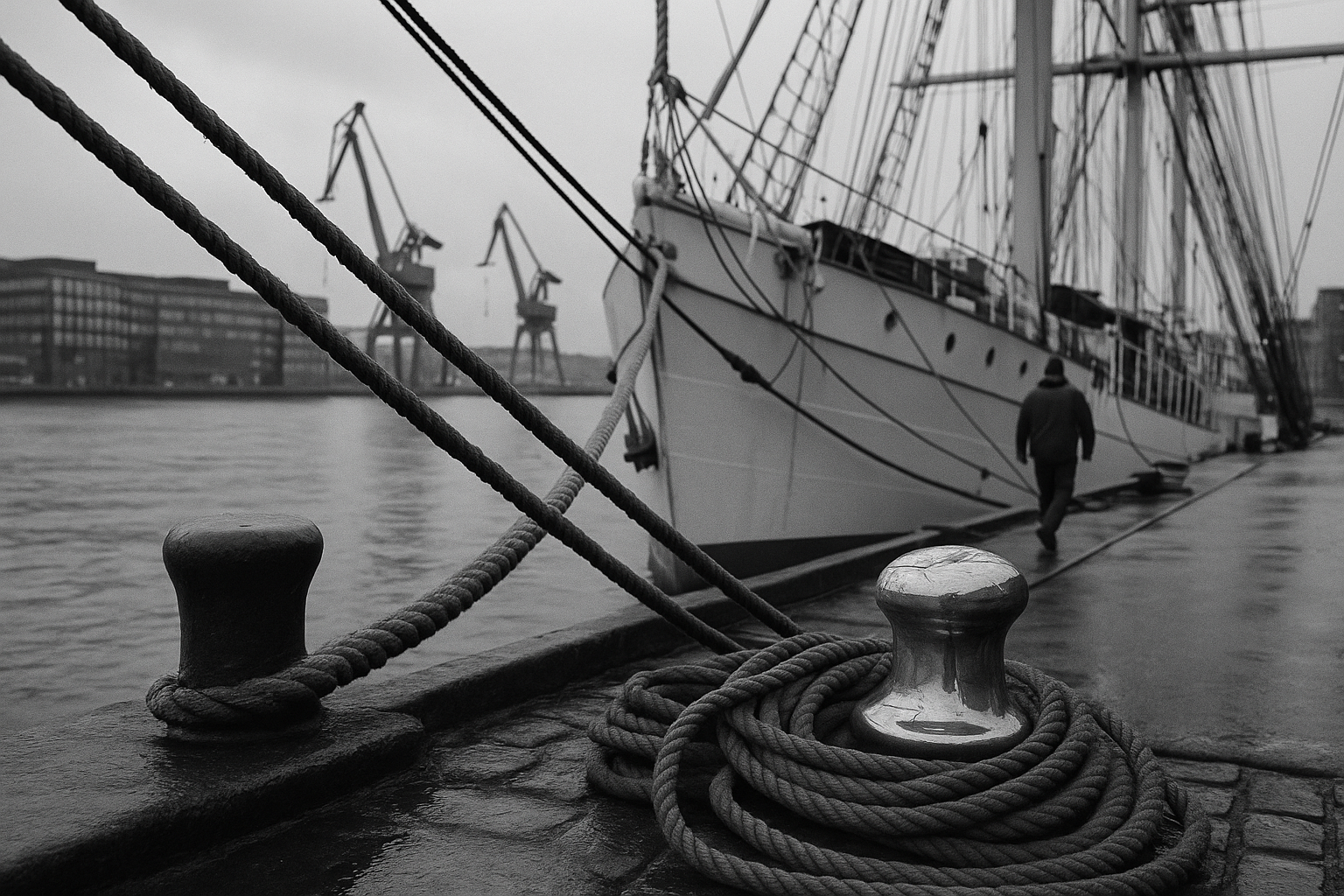
Götheborg stays moored, Gothenburg turns tall ship into luxury venue, heritage bill shifts from museum dream to waterfront business
- The ship will stay permanently moored rather than continue as a sailing museum vessel.
- Backers plan a luxury-oriented experience concept at the quay.
- The decision shifts the project from maritime heritage and seamanship to hospitality, events and waterfront footfall.
- The financing model and ownership structure will determine whether the attraction stands on ticket sales and private bookings or returns to the familiar subsidy circuit.
The East Indiaman Götheborg, the full-scale replica that has spent two decades serving as Gothenburg’s floating emblem, will not head back out as a museum ship. Instead it will remain at the quay and be rebuilt into a luxury experience venue, Aftonbladet reports, with promoters describing it as a pure tourist attraction.
The decision settles a practical question first: a sailing wooden ship is expensive to crew, maintain and insure, while a permanently moored attraction can sell dinners, events and corporate bookings on a fixed address. That changes the economics of the vessel from maritime operation to waterfront real estate with masts. For Gothenburg, where the ship has long functioned as both heritage object and city-brand image, the shift also changes what the public is being asked to support. A museum ship promises preservation and education; a luxury venue promises visitor traffic, private functions and a more polished version of the same silhouette on the river.
That distinction matters because Götheborg has never been just another tourist boat. It is one of the city’s most photographed landmarks, tied to Gothenburg’s history as a trading port and to the Swedish East India Company that made fortunes on tea, porcelain and textiles. Keeping the ship at the quay preserves the backdrop, but it also freezes the vessel into a different role. The old pitch was movement, seamanship and historical reconstruction. The new pitch is experience consumption, sold from a fixed berth.
The unresolved part is the one that usually arrives after the renderings: who owns what, who carries the running costs, and what happens if visitor numbers fail to match the brochures. A moored attraction can be cheaper than an active sailing vessel, but timber, climate control, staffing, fire protection and quay access are not charitable hobbies. If the project is genuinely commercial, its accounts should show it. If it depends on municipal goodwill, discounted waterfront arrangements or indirect cultural support, the city is still paying for prestige — only through a different ledger.
For the waterfront, the plan may still work. A fixed destination can draw tourists more predictably than a ship that periodically leaves port, and Gothenburg has spent years trying to make its central riverfront more active. But the trade-off is plain enough: the city keeps the icon in place, while the ship itself stops being a vessel in any meaningful sense. The hull remains, the rigging remains, and the business model moves ashore without leaving the deck.
The Götheborg once crossed oceans to justify its existence. Under the new plan, it will need enough paying guests to cross the quay.
Källor: Aftonbladet