Grundarfjörður hosts PRS match, Iceland enters European circuit, rural range draws foreign shooters
- The Grundarfjörður-area match was held for the second year at Kolgrafafjörður, where terrain allows shots from 250 to 700 metres.
- Competitors came from Norway, Austria, Britain and Iceland; 23 shooters took part.
- RÚV reports that several Icelandic shooting clubs now organise PRS events, helping bring part of the European series to Iceland this year.
- The event combines a niche technical sport with travel spending in a rural area that can offer the one thing PRS requires most: space.
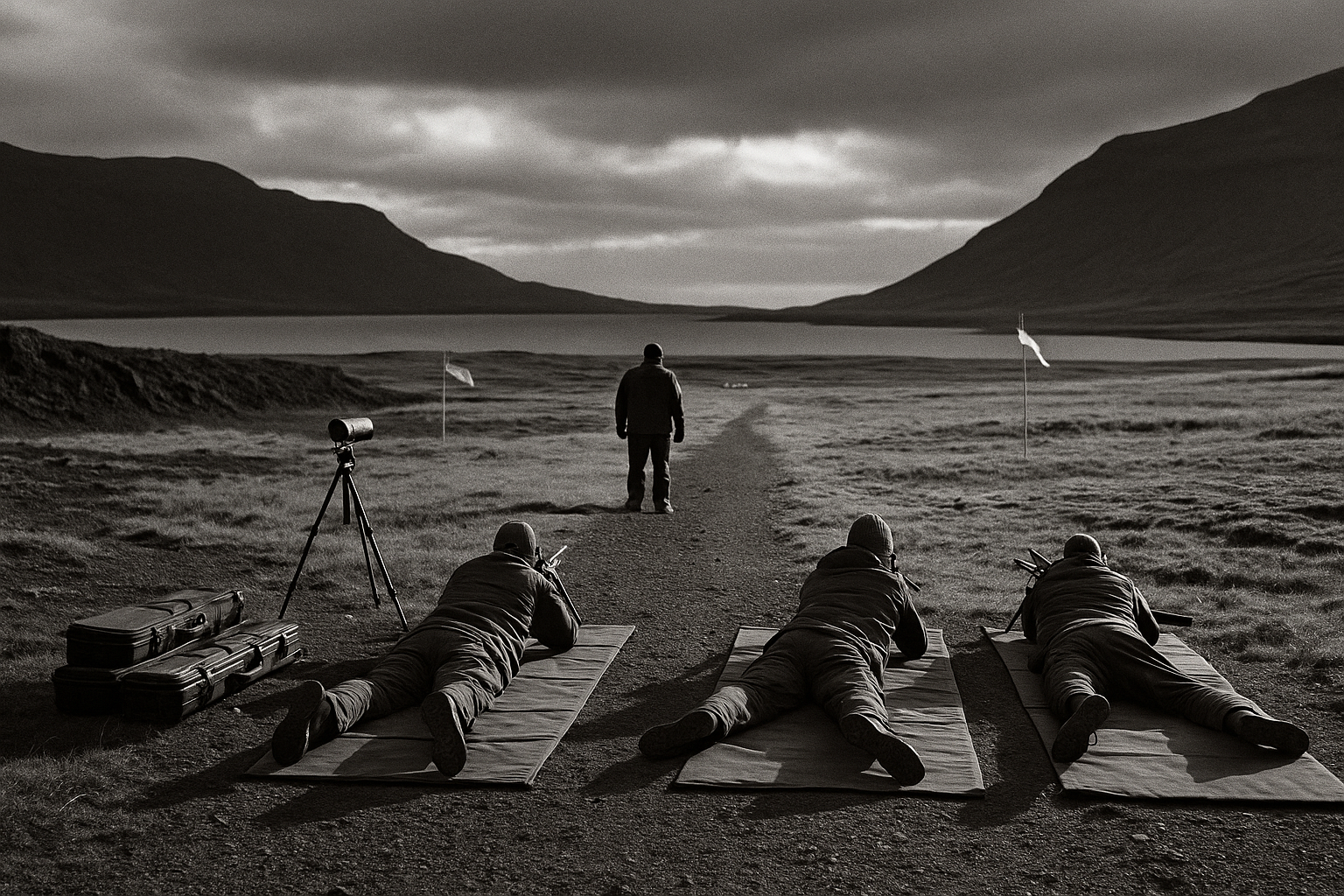
Twenty-three shooters from four countries spent the weekend firing from improvised positions across distances of 250 to 700 metres at Kolgrafafjörður, near Grundarfjörður in western Iceland. RÚV reports that the match formed part of a European PRS series and was held for the second year on the same range, where the terrain allows the long shots the discipline demands.
PRS, or precision rifle series shooting, is built around movement, changing firing positions and targets set at varying distances rather than static bench shooting. That raises the bar for organisers. A club needs a safe range with depth, backstops, sight lines, target infrastructure and match staff who can run timed stages without turning the day into a queue. Iceland’s role in the series suggests that enough of that structure now exists locally for European organisers to put a fixture on the calendar.
RÚV says the sport has grown quickly in Iceland, with several shooting clubs now staging PRS competitions. That matters because a single annual match can be a novelty; a club circuit creates the people who reset targets, score stages, maintain equipment and train new shooters. It also creates a reason for foreign competitors to travel. A rifle match with entrants from Norway, Austria and Britain does not fill a fishing village, but it does bring hotel nights, car rentals, meals and range fees to places that are usually discussed through tourism brochures rather than sporting calendars.
The geography helps. Kolgrafafjörður was chosen again because it is well suited to long-range shooting, a scarce asset in a crowded Europe where noise rules, land-use conflicts and safety zones limit what clubs can build. Iceland has land, low population density and a growing network of organisers. That combination can turn a niche hobby into a repeat event, provided local clubs can keep ranges available and the regulatory costs low enough that volunteers do not spend the season filing paperwork instead of setting steel.
The winners came from the same Nordic pool that supplied much of the field. Rúnar Jónsson, an Icelander living in Norway, won after a close contest with last year’s winner Hans Fredrik Vatnedal; Solveig Engvol took the women’s class and her father Krister Engvol won the veterans’ class.
The match returned to Kolgrafafjörður because shooters there can fire out to 700 metres. That is the sort of distance that turns a remote fjord into sports infrastructure.
Källor: RÚV