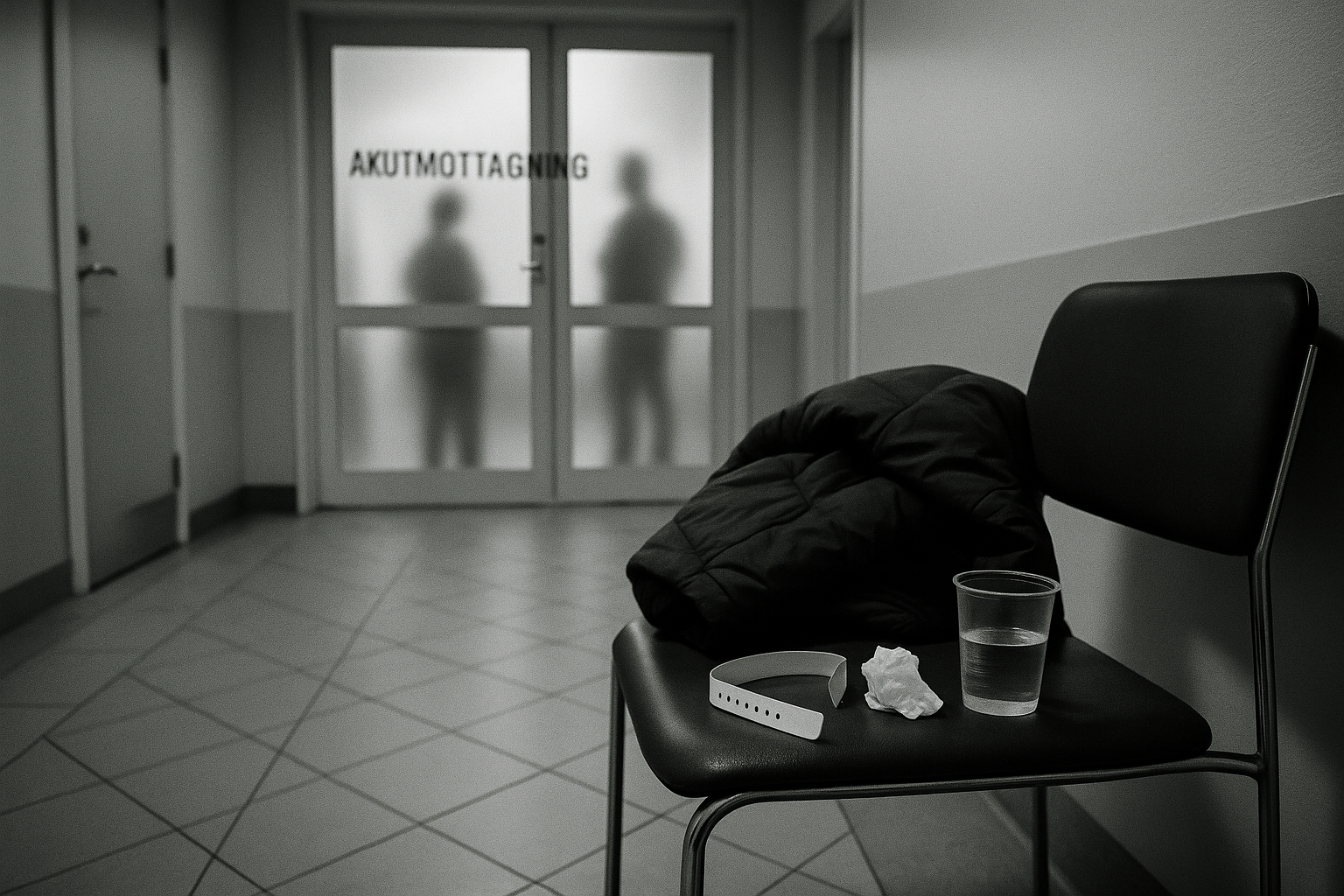
Hantavirus case exposes triage gap, Swedish woman sent home with anxiety label, rodent-borne infection later confirmed
- The woman was first dismissed with an anxiety explanation before hantavirus was diagnosed.
- Hantavirus is a rodent-borne infection that can cause severe disease and, in Sweden, is chiefly linked to bank voles.
- The case points to a frontline diagnostic problem: vague early symptoms can resemble panic, flu or exhaustion.
- Swedish public health advice focuses on avoiding rodent droppings and dust when cleaning cabins, sheds and storage spaces.
A Swedish woman was diagnosed with hantavirus after becoming seriously ill, having first been told that her symptoms could be anxiety. Aftonbladet reports that the infection was later confirmed and described as very serious, turning an initially brushed-off case into a hospital matter.
That sequence matters because hantavirus does not begin with a dramatic signature. Early symptoms can look like ordinary fever, muscle pain, fatigue, shortness of breath or a general sense that something is wrong. In primary care and telephone triage, where staff sort large volumes of diffuse complaints under time pressure, those symptoms compete with far more common explanations: stress, viral infection, panic, dehydration. A rare diagnosis loses by default unless somebody asks the right questions about rodent exposure, recent cleaning of sheds or cabins, or contact with mouse and vole droppings.
In Sweden, hantavirus infection is usually tied to the Puumala virus carried by bank voles, and cases are concentrated in the north of the country. The disease can cause nephropathia epidemica, a form of haemorrhagic fever with renal involvement, and severe cases can require hospital care. The Public Health Agency of Sweden has for years advised people to avoid stirring up dust contaminated by rodent urine or droppings, to ventilate enclosed spaces before cleaning, and to use wet cleaning methods rather than dry sweeping or vacuuming in infested areas. The advice is mundane; the consequences of missing it are not.
Rare infections create a predictable problem for a centralised, protocol-driven system. Frontline care is built to identify the common case quickly and move on. That keeps queues moving, but it also raises the threshold for taking unusual exposure histories or escalating patients whose symptoms do not yet fit a standard template. A patient with chest tightness, racing pulse and weakness can be coded as anxious in minutes. A question about rodents takes longer, and only helps if someone thinks to ask it.
Aftonbladet's report does not by itself establish how often hantavirus is mistaken for something benign before diagnosis. But the case shows what a diagnostic blind spot looks like at ground level: the dangerous part was not only the virus, but the interval in which it still looked ordinary. In northern Sweden, where hantavirus is a known seasonal risk, that interval can begin in a woodshed, a garage or a holiday cabin long before it reaches a waiting room.
The exposure route is still prosaic. Rodent droppings in a closed space, a broom, a cloud of dust, and a patient later told she was probably anxious.
Källor: Aftonbladet