Heat reaches Finnmark, Arctic summer tests roads ferries services
- VG says Finnmark could see up to 27C on Saturday after Tromsø passed 20C for the first time this year.
- The heat is moving into Norway’s far north, where transport, public services and tourism are calibrated for colder weather.
- A warm, sunny spell in the Arctic north affects more than comfort: roads, ferries, health services and local capacity all come under pressure.
- The episode adds to a wider Nordic pattern in which hotter summers are no longer confined to southern capitals.
Finnmark could reach 27C on Saturday after Tromsø passed 20C for the first time this year, as VG reports. The heat is not staying in southern Norway; it is moving into the country’s far north, where roads, ferry links, clinics and seasonal businesses are built around a different climate and a shorter margin for error.
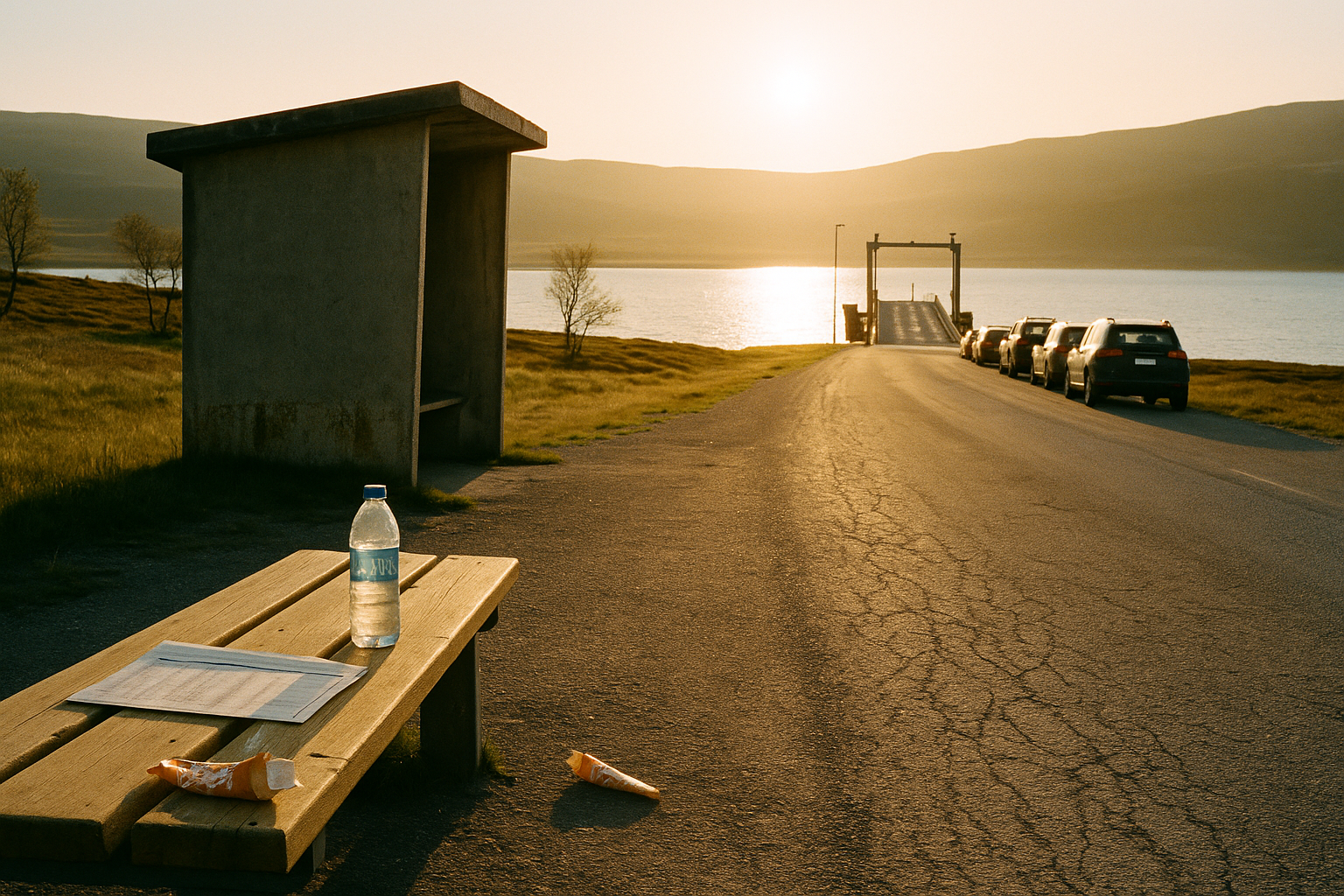
In northern Norway, distance is part of the story. A delayed ferry, a softening road surface, or a spike in ambulance callouts travels farther here than in denser parts of Scandinavia. Tourism operators sell midnight sun, fishing and hiking to visitors who often arrive with little sense of how exposed the region is once transport timetables slip or local capacity fills up. Municipal services in Finnmark and Troms already run across vast areas with thin staffing, and a hot spell adds a different kind of demand: dehydration, elderly care, fire risk and more traffic on roads not designed with southern European summers in mind.
The contrast with the rest of the Nordics is narrowing. Southern Sweden and Denmark now treat summer heat plans less as an exception than as routine administration, while Finland has also had to adapt public guidance and care services to longer hot periods. Northern Norway still carries the Arctic image of cold resilience, but heat exposes another side of the same geography: long supply lines, sparse redundancy and infrastructure calibrated for frost, snow clearance and winter storms rather than several days in the high 20s.
That matters because the costs arrive unevenly. Visitors get the photographs and the midnight light; municipalities get the staffing problem, the maintenance bill and the emergency planning. A single warm weekend does not remake the High North, but repeated swings force local authorities and operators to prepare for conditions that used to sit outside the normal range. In Finnmark, 27C is still news. The road crews, ferry operators and health staff have to treat it as operations.
The forecast is a Saturday number on a weather map. In the far north, it is also a test of whether a region built for winter can absorb summer at 27C without dropping service somewhere along the line.
Källor: VG