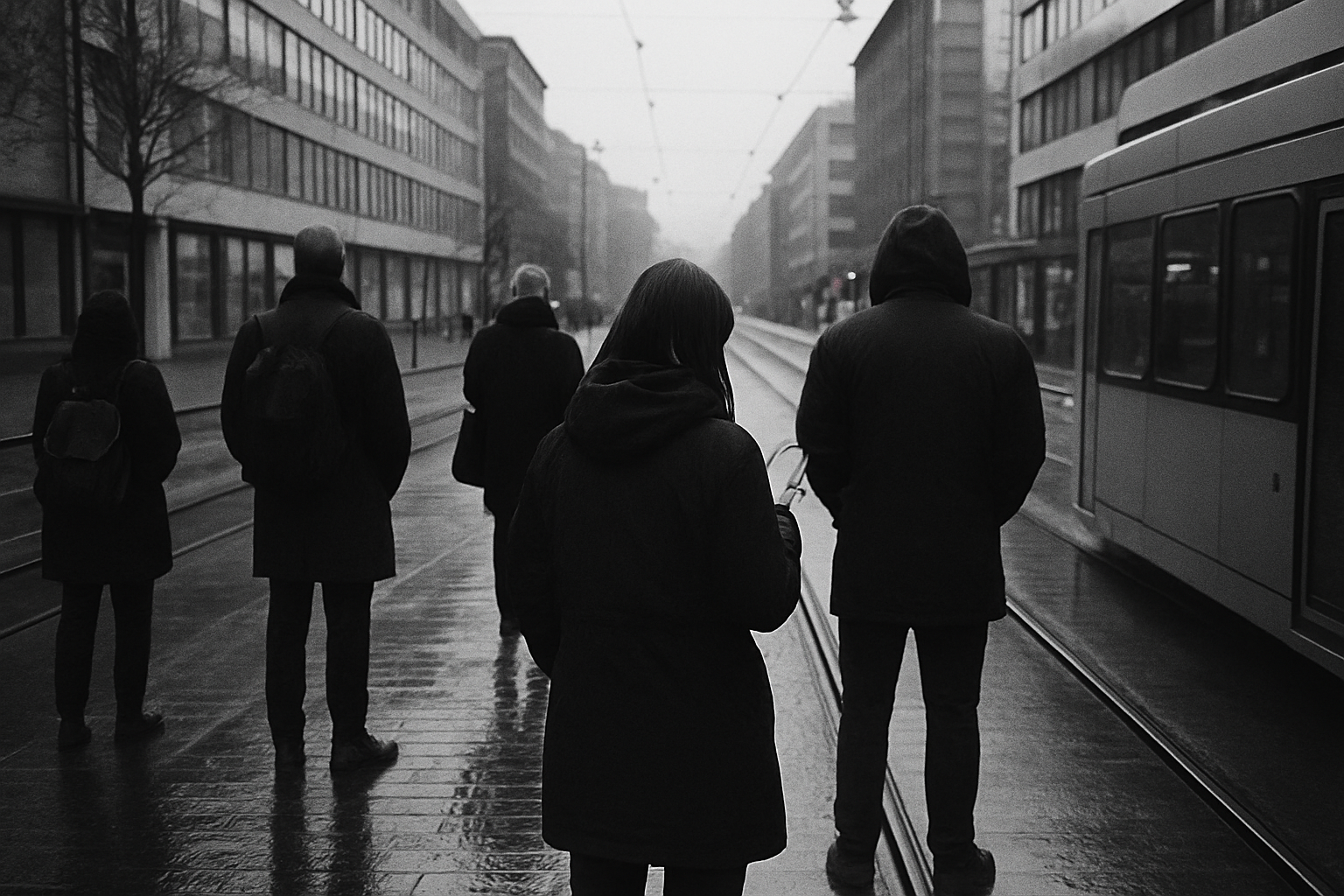
HSL traffic resumes, Helsinki commutes exposed, cause remains unclear
- HSL said most traffic in the Helsinki region had returned to normal after Friday morning cancellations.
- Its website earlier showed numerous cancelled departures and advised people to stay indoors.
- Iltalehti reported that only part of the network remained affected later in the day.
- No clear public explanation was immediately attached to the disruption in the source report.
Most traffic in the Helsinki region had returned to normal by later Friday after a morning disruption that knocked out numerous departures across the HSL network. Iltalehti reports that the Helsinki Regional Transport Authority, HSL, first showed large numbers of cancelled public transport services on its website before later updating the situation to say that traffic was running mostly normally again.
The detail that stood out was not only the cancellations but the message accompanying them: HSL’s website urged people to remain indoors. That is a rare instruction for a commuter transport operator, and it immediately widened the question beyond an ordinary timetable failure. The source report does not give a clear cause for the disruption, and that leaves several possibilities open, from a technical systems problem to weather or an external incident affecting operations across multiple lines at once. For passengers, the distinction matters. A broken switch, a software outage and a civil protection warning each say something different about how resilient the capital region’s transport backbone is.
HSL carries the daily flow of workers, students and schoolchildren across Helsinki, Espoo, Vantaa and surrounding municipalities. When numerous departures disappear on a weekday morning, the effect is not confined to platforms and bus stops; offices open late, schools improvise, and road traffic absorbs part of the spillover. The source material does not specify which lines were hit hardest or how many passengers were affected, only that cancellations were extensive earlier in the morning and more limited later on. That leaves commuters with the practical fact first and the explanation later: the network faltered during the busiest part of the day, then partially recovered.
The public record in the initial reporting is thin. There is no detailed timeline in the source for when the disruption began, how long passengers were left without service, or which authority issued the stay-indoors advice displayed on HSL’s site. In a region built around coordinated public transport, even a short interruption becomes a stress test. Friday morning’s evidence was visible in a single place: a transport website showing cancelled departures across the capital region and, for a time, a warning telling people to stay inside.
Källor: Iltalehti