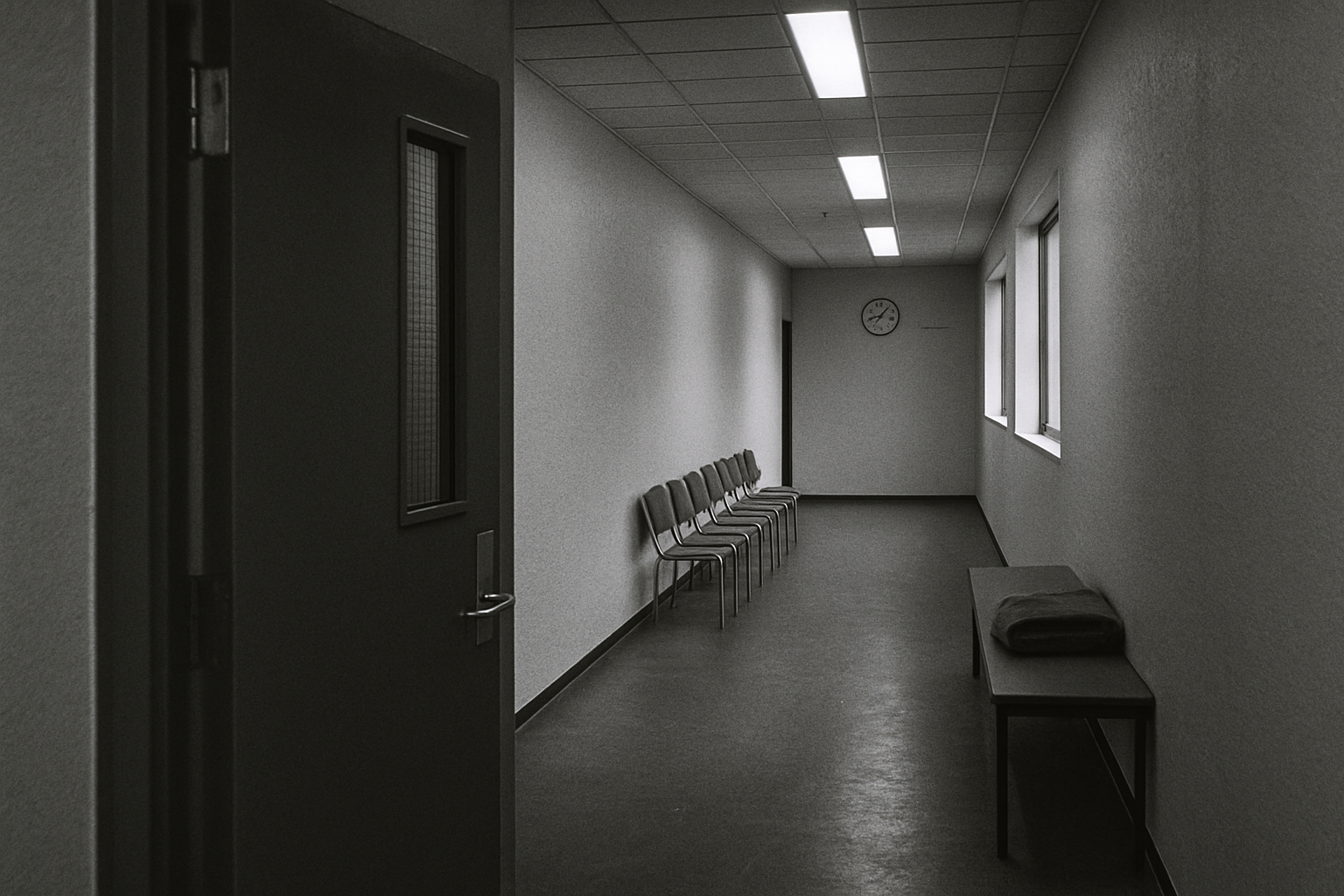
Iceland approves deportation facility, justice minister calls move burdensome duty
- The facility is intended for people who have received final deportation or removal decisions and are being held before departure.
- The minister said the measure is meant to give Iceland a lawful way to enforce decisions the state has already made.
- The project adds a concrete enforcement cost to migration policy, with the state responsible for building and operating the unit.
Iceland’s Alþingi (parliament) has approved legislation for a deportation facility, giving the state a dedicated place to hold people awaiting removal after final decisions in their cases. In comments reported by Vísir, Justice Minister Þorbjörg Sigríður Gunnlaugsdóttir said the bill’s passage did not produce any feeling of triumph, calling the facility a burdensome measure adopted so Iceland can meet its legal obligations.
The facility, described in Icelandic as a brottfararstöð, is meant for foreign nationals who are due to leave the country and need to be held while departure is arranged. The government’s argument is narrow: if the state issues deportation or removal decisions, it also needs the physical capacity to carry them out. Without that capacity, the legal decision remains on paper while police and immigration authorities are left to improvise with other premises or delay enforcement.
That shifts migration policy from rhetoric to infrastructure. A removal system requires guarded premises, staff, transport, legal procedures and a budget line that survives beyond the parliamentary vote. In a small state, even a modest facility carries a political charge out of proportion to its size, because it makes visible the coercive end of an asylum and immigration system that is usually discussed through rights, appeals and reception capacity.
Vísir’s report frames the minister’s position less as celebration than administrative necessity. She said the measure is restrictive and intrusive, but still required if Iceland is to fulfil its commitments. That leaves the state paying for both sides of the system: first the processing of claims and appeals, then the locked doors, staffing and supervision needed when an applicant or other foreign national is ordered to leave and does not do so voluntarily.
The report cited the facility as a specific answer to an enforcement gap, though the minister’s remarks stressed its uncomfortable character rather than any political symbolism. Parliament has now approved the legal basis. The next visible part of the policy will be the building itself, the number of beds it contains, and the bill that follows it into the budget.
Källor: Vísir