Iceland Care Home Fire Exposes Failed Safety Systems, Investigation Finds Residents' Lives Endangered
- Fire broke out in October 2024 at Stuðlar, a facility housing residents who cannot evacuate independently
- Official investigation found serious deficiencies in fire prevention systems, their operational status, and regulatory oversight
- The failures had direct consequences for the safety and lives of residents during the blaze
- The case raises questions about fire safety standards at similar Icelandic care facilities and the adequacy of the inspection regime
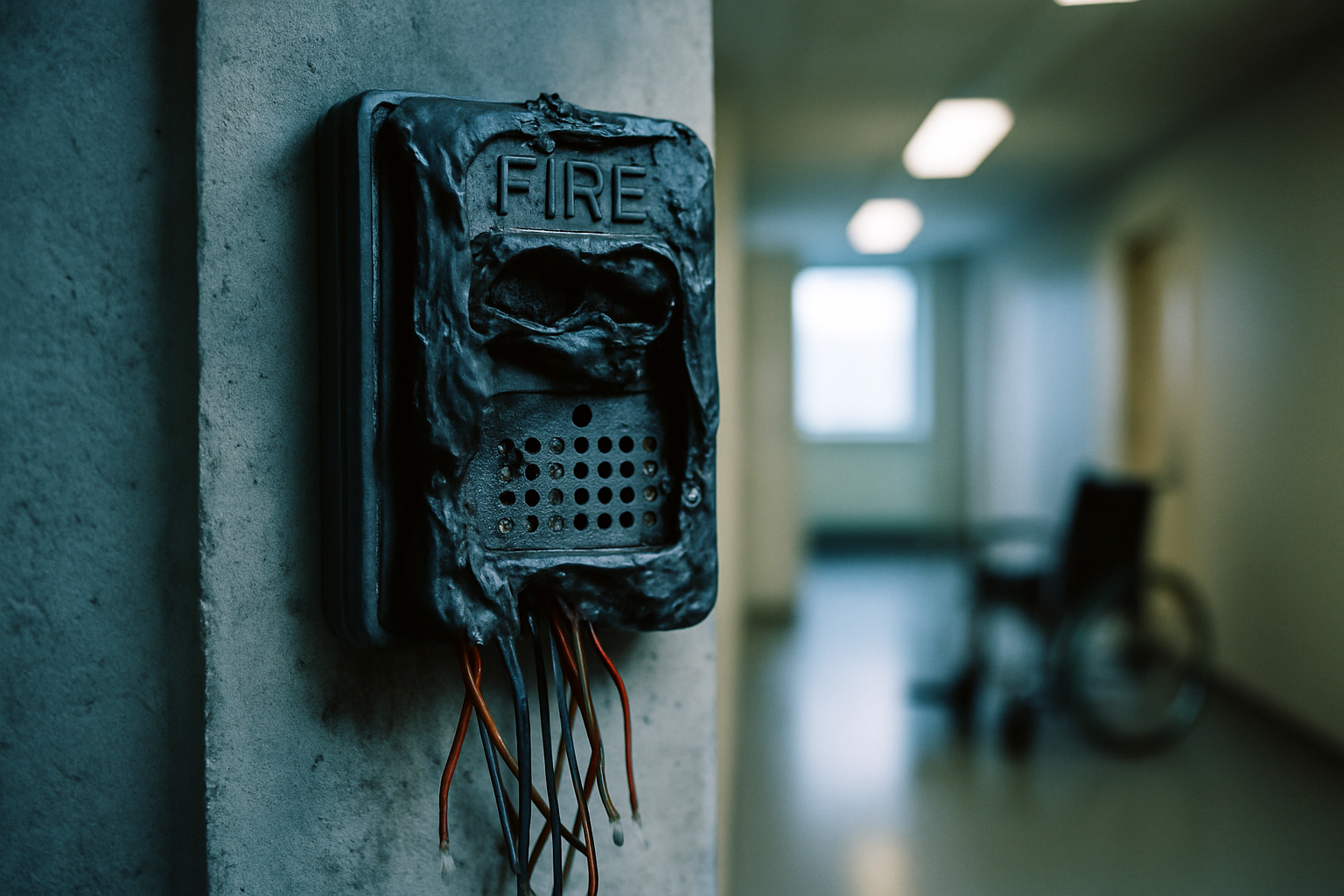
A fire at Stuðlar, an Icelandic residential care facility housing individuals unable to evacuate independently, revealed what an official investigation now calls serious deficiencies in fire safety systems, their functioning, and the oversight meant to ensure they worked. The October 2024 blaze endangered the lives of some of Iceland's most vulnerable residents — people entirely dependent on institutional protection. Morgunblaðið reports that the investigation found these failures had a material impact on safety and human life during the fire.
The findings cut to the core of what a residential care institution is supposed to guarantee. Stuðlar houses people who cannot reach an exit or a safe zone on their own. In facilities like these, fire safety is not a bureaucratic box to tick — it is the single system standing between residents and death. The investigation found deficiencies not only in the physical fire prevention infrastructure but in whether that infrastructure was operational and whether anyone was checking. Three layers of protection — equipment, maintenance, and inspection — all failed simultaneously.
Iceland's system for overseeing fire safety in care facilities now faces scrutiny it has largely avoided. The country's small population and tight-knit institutional culture can create a false sense of security: everyone knows everyone, so surely someone is watching. The Stuðlar fire suggests otherwise. When the people responsible for installing fire safety systems, maintaining them, and inspecting them all fall short, the question is whether the failure is isolated or structural.
The Nordic neighbours offer uncomfortable precedents. Sweden's care home sector was exposed during the COVID-19 pandemic as chronically understaffed and poorly regulated, with elderly residents dying in facilities where basic medical protocols were not followed. Finland has faced its own scandals in private care homes, where profit incentives led to dangerously low staffing levels. In both cases, the pattern was the same: vulnerable people housed in institutions that existed to protect them, failed by oversight systems that existed to protect them from the institutions.
Iceland's investigation into Stuðlar has at least produced a clear public record of what went wrong. Whether it produces structural reform is a different question. Iceland operates roughly 60 nursing and residential care facilities for a population of 380,000. If Stuðlar's fire safety deficiencies are replicated at even a fraction of comparable institutions, the country is running a system where the most dependent residents are housed behind fire doors that may not close, alarms that may not sound, and inspections that may not happen.
The residents of Stuðlar survived the October 2024 fire. The investigation makes clear that the fire safety systems they were relying on had little to do with it.
Sources: Morgunblaðið