Iceland extends EU referendum debate, extra sitting keeps accession question alive
- Althingi will continue debate in an extra sitting on a referendum over whether to continue EU accession talks
- Vísir reports that supporters welcomed the fact that all MPs will now have access to the published EU documents
- The dispute is less about immediate membership than about whether voters should authorize reopening a process frozen for years
- For Iceland, the issue cuts across fisheries control, trade access, and who gets to settle the question: parliament or the electorate
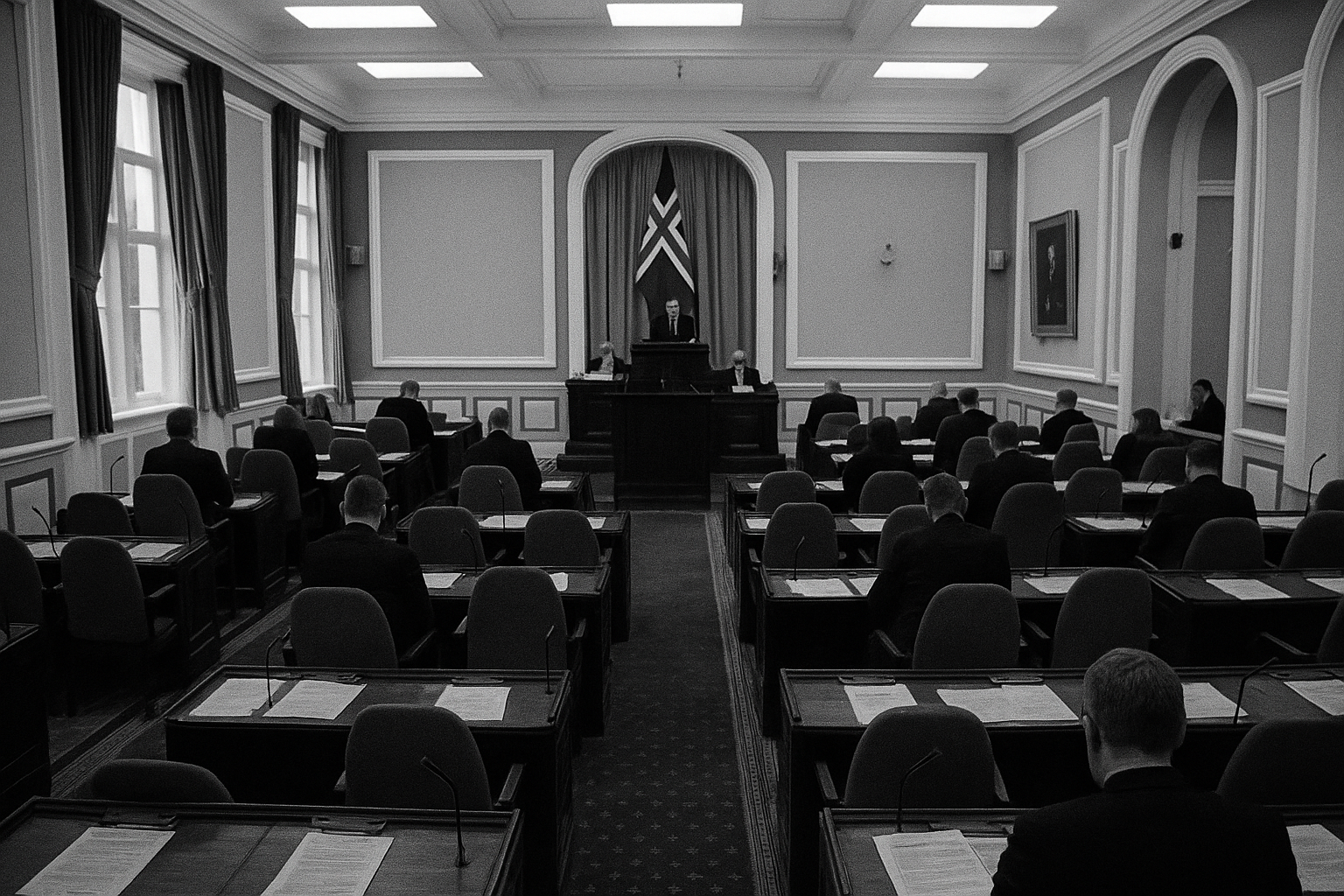
Iceland’s Althingi (parliament) has called an extra sitting before noon to continue debate on a proposed referendum on whether to continue accession talks with the European Union, a sign that the matter has not been filed away as old business. Writing in Vísir, the outlet reports that supporters of the referendum welcome the fact that all MPs will be able to examine the EU documents now being circulated in parliament.
That detail matters because the current fight is narrower, and more politically awkward, than the usual membership debate. The proposal concerns a public vote on whether Iceland should resume negotiations with Brussels, not an immediate decision to join. That allows pro-EU parties to present the referendum as a consent question rather than a final transfer of authority, while opponents can argue that restarting talks reopens a process Iceland already stepped back from. In a country of fewer than 400,000 people, where fisheries policy carries far more weight than abstract European positioning, the accession files are less theory than inventory: what Iceland would have to negotiate over, what exemptions might be sought, and where Brussels has already set the terms.
The published documents have become part of the politics. If lawmakers are demanding that every MP read the material, it suggests the argument is no longer being carried by slogans alone. Iceland’s earlier EU application, launched after the financial crash and later put on ice, left behind negotiating chapters and official correspondence that can now be reread under different conditions: a more fractured Europe, a harsher security climate, and an Icelandic economy still built on control over marine resources and access to external markets. Small states rarely get to separate trade from sovereignty for long. Iceland sells into Europe without being in the EU, but every renewed discussion of accession returns to the same question of who writes the rules when market access and domestic control collide.
The parties pushing for a referendum are trying to move the issue from parliamentary arithmetic to public authorization. That is a useful route when no durable majority exists for membership itself. It also carries a lower immediate cost: a referendum on talks can be sold as consultation, while the negotiations, if reopened, would consume years and leave the hardest disputes for later. Opponents see the same sequence in reverse. First a vote on talks, then a negotiation bureaucracy, then pressure to ratify a package already assembled. An extra sitting of parliament does not settle that argument. It shows there are still enough votes, and enough uncertainty, to keep the chamber open over it.
The immediate result is procedural. Icelandic MPs are spending another sitting on whether voters should be asked if Iceland ought to reopen a negotiation it once stopped, with the EU documents laid out on their desks.
Källor: Vísir