Iceland's fuel markups hit historic highs, oil companies pocket 76% of global price drops
- Fuel markups in early 2026 are 70 krónur per litre, 18 krónur above the inflation-adjusted historical average
- Oil companies pass on roughly 90% of global price increases but only 24% of price decreases to consumers
- The pass-through rate for price cuts has been falling in recent years, while pass-through for increases has risen
- When Costco operated in Iceland's fuel market (2014–2017), companies were forced to pass on global price reductions
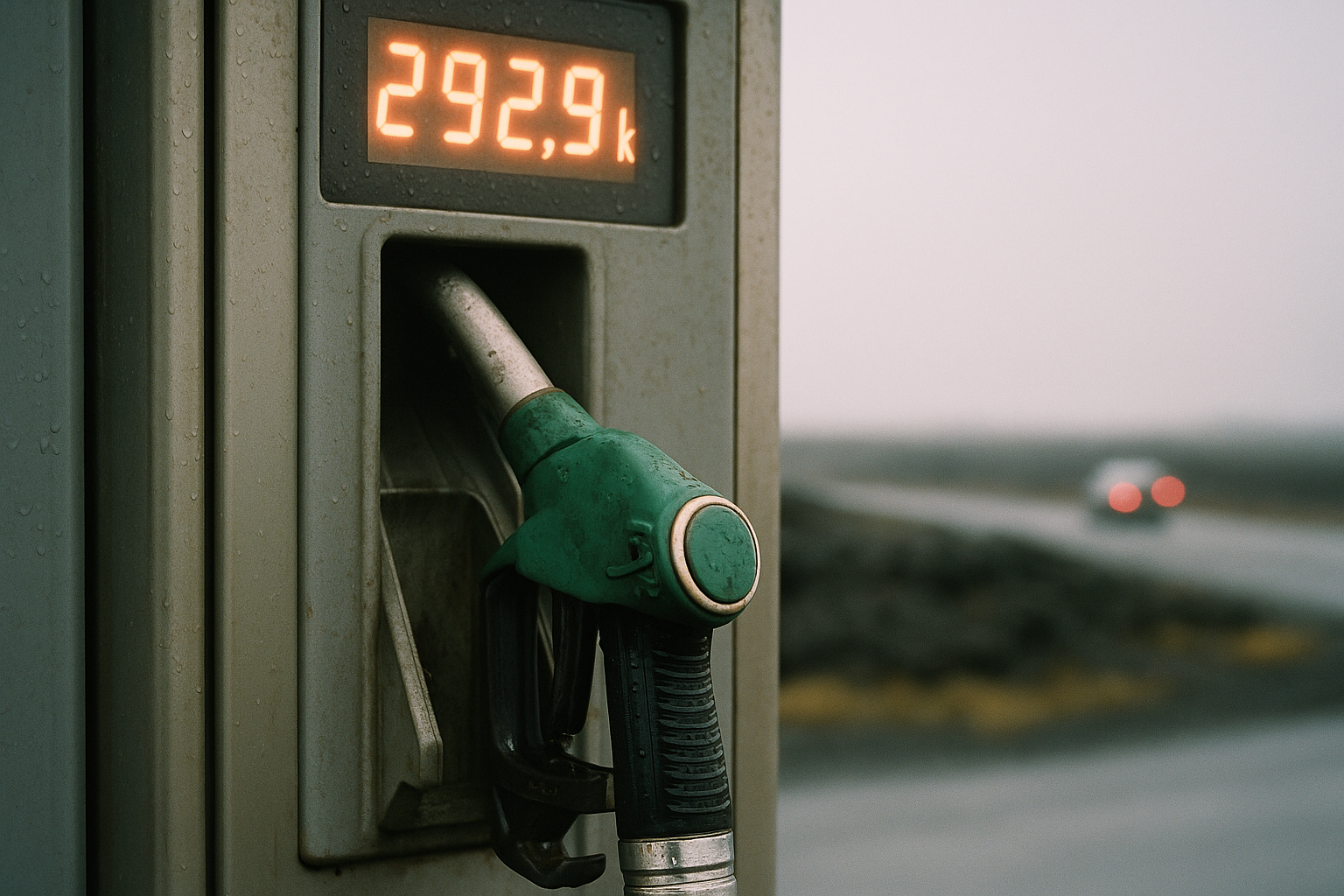
Iceland's oil companies are charging historically high markups on fuel, with margins reaching 70 krónur per litre of petrol in the first two months of 2026 — 18 krónur above the long-term inflation-adjusted average, according to an analysis published by RÚV based on research from the trade union Viska. The union calculates that Icelandic petrol is roughly twenty krónur per litre more expensive than it should be, given current global oil prices.
The asymmetry in how international price movements reach Icelandic pumps is stark. When crude prices rise on world markets, Icelandic fuel companies pass on approximately 90 percent of the increase to consumers. When prices fall, they pass on just 24 percent. The oil companies are, in Viska's framing, four times more likely to raise prices than to lower them. And the gap is widening: the pass-through rate for global price decreases has been shrinking year by year, while the rate for increases has climbed.
Viska's analysis draws a pointed comparison. Between 2014 and 2017, when Costco operated fuel stations in Iceland, oil companies were forced to pass on global price reductions. The American retailer's entry into the market — brief as it was — functioned as a de facto price regulator. Once Costco left, the discipline evaporated. Markups have risen steadily over the past five years.
Iceland's fuel market is a textbook case of what happens in a small, isolated economy with few competitors and high barriers to entry. The island has a handful of fuel distributors serving a population of roughly 380,000. Shipping costs and limited infrastructure make it difficult for new entrants to challenge incumbents. The result is an oligopoly where companies can absorb global price drops as profit without fear of being undercut. Consumers on an island with no rail network and limited public transport outside Reykjavík have little choice but to pay.
The Costco episode is the most revealing data point in Viska's research. It demonstrated that Iceland's fuel companies are perfectly capable of passing on price decreases — they simply choose not to when competitive pressure is absent. The question now is whether Reykjavík treats this as a market structure problem requiring intervention, or whether Icelandic drivers continue subsidizing margins that no competitor exists to challenge. Costco's fuel operations in Iceland lasted three years. The markups that returned after it left have now lasted longer.