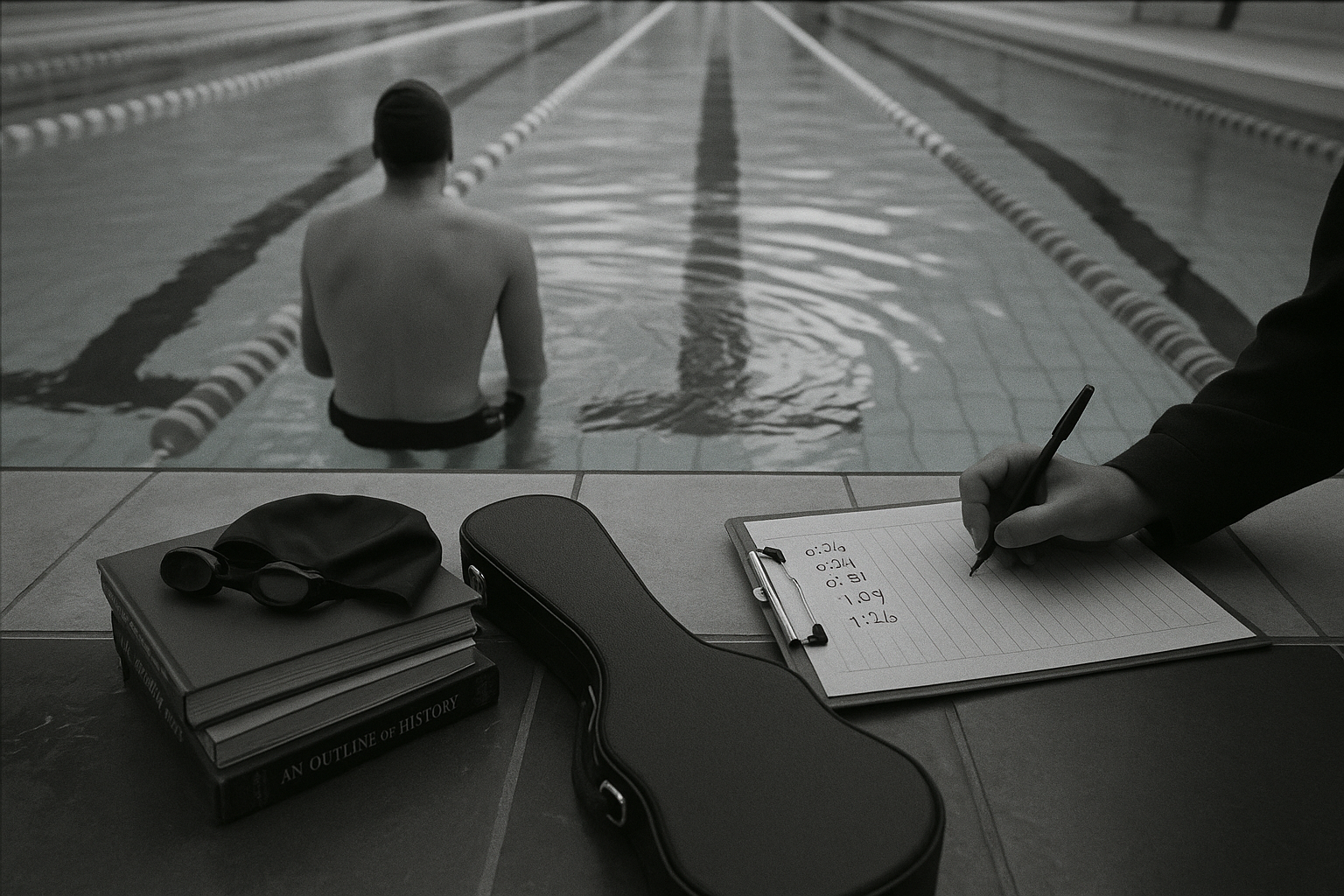
Iceland swimmer sets autism-class world mark, new category still taking shape, record comes between history lectures and guitar practice
- Snævar Örn Kristmannsson holds world and European records, plus multiple Icelandic records, in the new autism para-swimming class.
- He set the 50m butterfly world mark at 26.69 seconds at the Icelandic championships last year.
- The new disability class is still being formalized, so improvements by early entrants often become national and international records.
- Outside the pool, Snævar studies history at the University of Iceland and plays classical guitar.
Icelandic para-swimmer Snævar Örn Kristmannsson set a world record of 26.69 seconds in the 50-metre butterfly in the new autism disability class at last year's Icelandic championships. RÚV reports that he is now both a world and European record holder in a category that is still being defined, with early swimmers effectively writing the first lines of the record book.
The novelty of the class matters here. Kristmannsson told RÚV that because the category is new, each time he improves he is also setting an Icelandic record; this time, the swim also turned into a world mark. That is how new classifications begin: first with a handful of athletes, then with standards, times and comparisons that federations can build on. The record itself is real enough, but it also shows how thin the field still is. In a young class, the first serious competitors do not just chase records; they establish what a record is.
Kristmannsson's account of the swim was plain. He said he went into the race trying to swim as fast as he could, saw the result on the screen and realised he had the world record. The understatement fits the rest of the profile RÚV sketches. He studies history at the University of Iceland, trained earlier at the Music College in Reykjavík, and continues to play classical guitar alongside his swimming. Elite sport here does not appear as a sealed professional pipeline with handlers, branding and a full-time support apparatus. It sits next to lectures, reading and home practice.
That makes the Icelandic case slightly different from the larger state-funded sports systems that produce specialists early and keep them there. A swimmer in a small and still-forming para category can also be a university student and working musician, not as a lifestyle accessory but as ordinary fact. RÚV describes Kristmannsson as grounded, and the details bear that out more clearly than the label: history classes in the morning, pool sessions, guitar work at home, then a trip to the European Championships in Poland this summer.
The open question is how quickly the autism class will be formalized internationally and how many swimmers enter as rules settle. If participation broadens, the current sequence of Icelandic, European and world records will become harder to keep. For now, Iceland has one of the athletes setting the early pace, and each marginal improvement still redraws the table.
At 26.69 seconds, the world mark was posted at a domestic meet in Iceland, then folded back into a weekday life of university history and classical guitar.
Källor: RÚV