Icelandair labor talks resume, mediator enters, wet-lease fight tests Iceland’s air bridge
- Icelandair submitted new proposals at a meeting with the state mediator and the Icelandic Airline Pilots’ Association.
- The main disputes are rest time, work arrangements and wet-lease contracts that would let foreign airlines operate flights for Icelandair.
- Mediator Ástráður Haraldsson said the pilots’ union will review the proposals and is expected to respond with proposals or a counteroffer.
- CEO Bogi Nils Bogason said an agreement matters not only for Icelandair but for Iceland’s economy and the country as a whole.
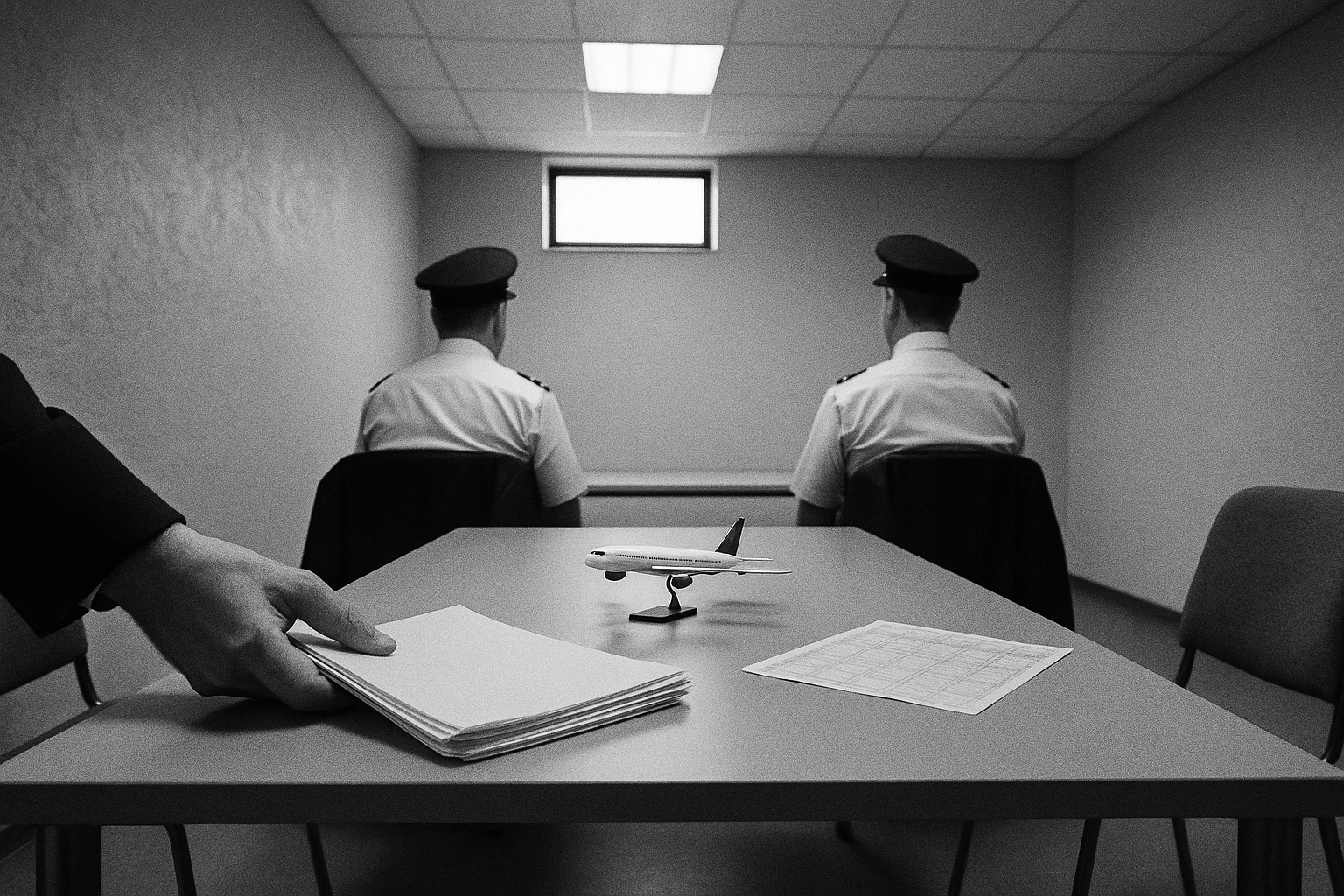
Icelandair put fresh proposals on the table at a late meeting with Iceland’s state mediator on Thursday, the first clear sign of movement after a prolonged standoff with the Icelandic Airline Pilots’ Association, FÍA. According to RÚV reports, the parties met at 7pm and ended around 10pm, with the union now set to study proposals that mediator Ástráður Haraldsson described as concrete and substantial.
The issues are narrow on paper and expensive in operation. Haraldsson told Icelandic media that the main points of conflict are rest periods, work schedules and wet-lease contracts, under which one airline hires another airline abroad to operate flights on its behalf. Icelandair has not previously had permission for such arrangements and wants that changed. For management, wet-leasing offers spare capacity and scheduling room during peaks or disruptions. For pilots, it opens a route around domestic crews at the very moment they are bargaining over hours and conditions.
That matters more in Iceland than in larger countries with rail, road and multiple competing hubs. Icelandair is not just another listed company negotiating a collective agreement; it is one of the country’s main transport links and a central conduit for tourism, exports and business travel. A labor conflict that grounds aircraft in Germany or France is a company problem. In Iceland, it can quickly become a national logistics problem, with missed connections, disrupted visitor flows and pressure on sectors far from the bargaining table.
The wet-lease dispute also points to the cost question underneath the labor language. If Icelandair can bring in foreign aircraft and crews, it gains flexibility in irregular operations and in seasonal surges, but it also changes the balance of power in future negotiations. The union’s leverage rests on the airline’s dependence on Iceland-based pilots to keep its network running. Imported flying capacity would not remove that dependence, but it would dilute it. That is why a clause about outsourcing flight operations sits beside clauses on rest time and roster design.
Haraldsson said FÍA will review the proposals over the next few days and is expected to return with proposals or a counteroffer. Icelandair chief executive Bogi Nils Bogason told RÚV’s evening news that reaching an agreement is important not only for the airline but for the economy and the nation. Chief executives do not usually invoke the nation unless they know how much traffic runs through their own timetable.
The bargaining now moves from public warning to line-by-line trade-offs. On one side is an airline seeking room to schedule, subcontract and absorb shocks; on the other is a pilot union trying to keep that room from becoming a permanent reduction in its bargaining power. The meeting lasted three hours. The summer schedule lasts much longer.
Källor: RÚV