Ilmarinen oil recovery starts, wartime wreck leaves Finland cleanup bill, Baltic hazard list remains long
- Finnish authorities are beginning a demanding operation off Utö to extract roughly 100,000 litres of oil from Ilmarinen.
- YLE describes the wreck as one of the Baltic Sea’s environmentally dangerous wartime wrecks.
- The case shows how old naval losses still create present-day liabilities for coastal states.
- The wider question is how many similar wrecks remain in Finnish waters and whether the region has a coordinated removal plan.
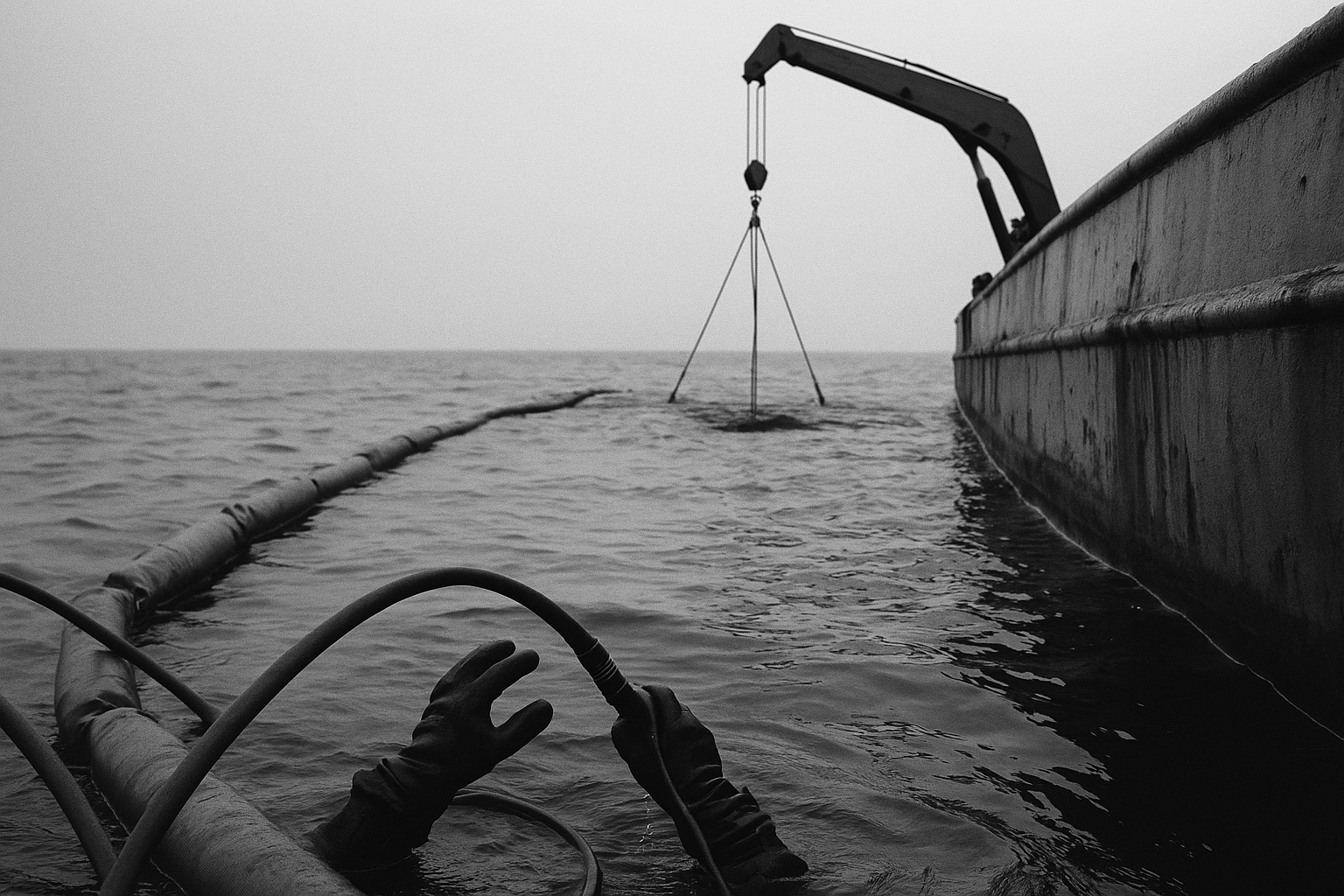
A major salvage operation is beginning off Utö to remove roughly 100,000 litres of oil from the wreck of Ilmarinen, the Finnish coastal defence ship sunk during the Second World War. YLE reports that the wreck is considered one of the Baltic Sea’s environmentally dangerous hulks, and that the recovery work now starting is technically demanding.
Ilmarinen has been on the seabed for decades, but the oil remained there with it. That is the arithmetic of wartime wrecks in the Baltic: the ships are old, the fuel is older, and the bill arrives in the present. What was once a military loss becomes an environmental liability for the nearest coastal state, which must survey the wreck, contract the operation and carry the risk if the contents leak before anyone acts.
The location matters. Utö lies in the Archipelago Sea, a sensitive marine area with heavy ferry and commercial traffic moving through narrow routes. A release from a wreck of this kind would not stay an abstract figure measured in litres for long; it would spread into shipping lanes, shorelines and bird habitats, and the cleanup would move from a planned subsea operation to a far more expensive surface emergency.
YLE’s report places Ilmarinen among the Baltic’s dangerous wrecks, a category that extends well beyond a single hull. The sea holds a large inventory of wartime losses from multiple navies, many of them carrying fuel, munitions or both. Each wreck raises the same questions: how much remains inside, how stable is the structure, and who moves first when the original owner is gone, the state has changed, or the ship belongs to a war that ended generations ago.
The operation off Utö also points to a regional gap. Hazardous wrecks do not respect modern administrative boundaries, and the consequences of a leak can drift well beyond the waters where a ship lies. If Finland is now extracting oil from one of its highest-risk wrecks, the next issue is the queue behind it: what other dangerous wrecks remain in Finnish waters, what the state expects this recovery to cost, and whether the Nordic and Baltic countries have a standing system for ranking and funding similar removals before they turn into spills.
For now, the work begins with one wreck and one cargo measured at about 100,000 litres. Ilmarinen sank in wartime; the oil is being removed in peacetime by public authorities off a small island at the edge of the Archipelago Sea.
Källor: YLE Uutiset