Kastrup sets May record, Norway leads destinations, regional traffic anchors Copenhagen hub
- Copenhagen Airport handled more than three million passengers in May, a new record for the month.
- Norway was the most popular destination from Kastrup.
- The figures point to the airport’s role as a Nordic connector, not only a Danish gateway.
- Higher traffic feeds pressure on terminals, surface transport and nearby communities around the capital.
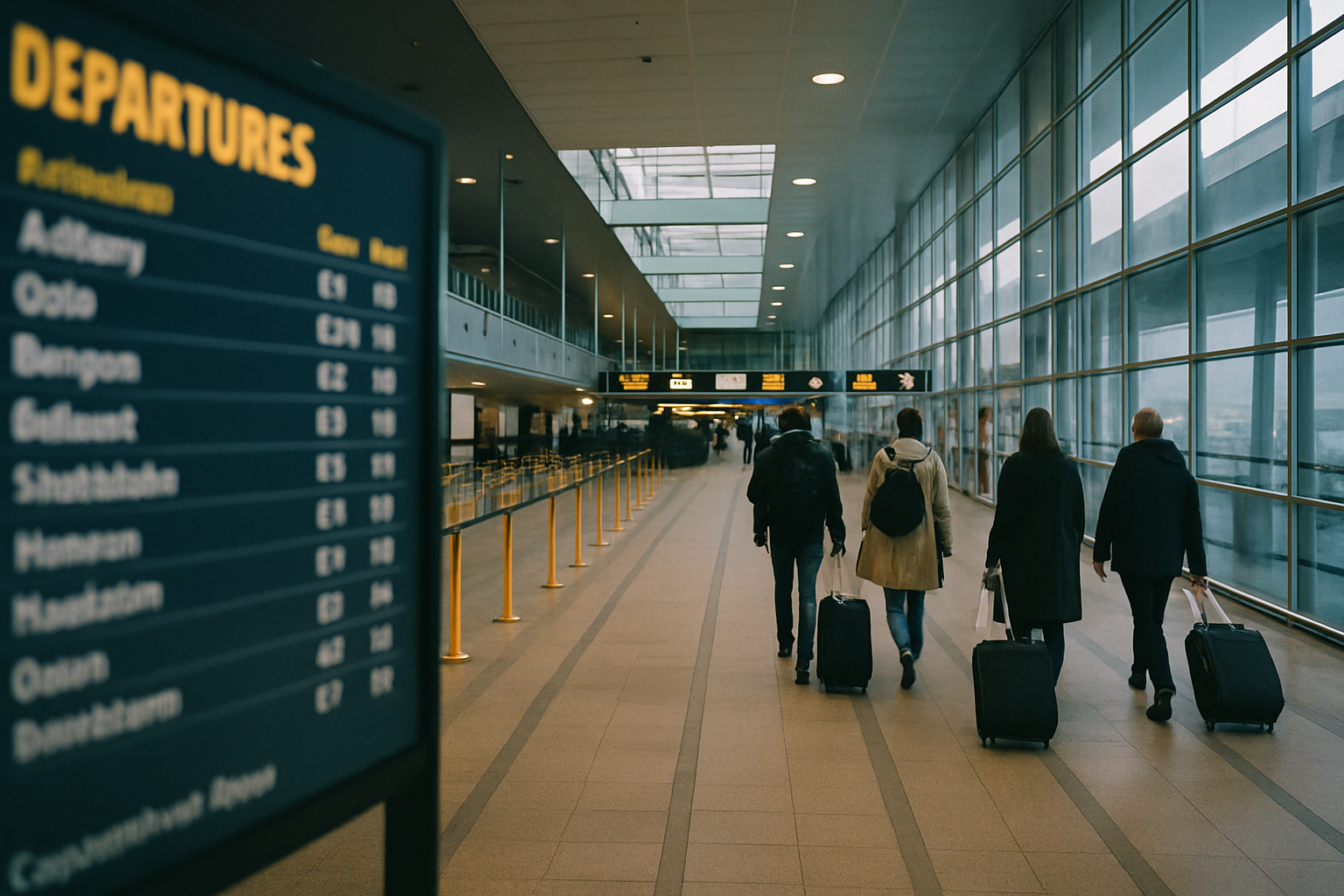
More than three million passengers moved through Copenhagen Airport in Kastrup in May, setting a new record for the month. Berlingske reports that Norway was the most popular destination, a detail that places the headline number in context: Denmark’s largest airport is growing on dense regional flows as much as on intercontinental reach.
That matters because Kastrup is not just serving Copenhagen. It functions as a shared Nordic hinge, pulling in business travel, weekend traffic, family visits and onward connections through a single hub south of the city. If Norway tops the destination list, the traffic mix is unlikely to be explained by Danish holidaymakers alone. The route map between Denmark and Norway carries oil and shipping business, public-sector travel, commuting between corporate offices, and transfer passengers using Kastrup as a cleaner connection point than smaller domestic airports can offer.
The record also says something about the incentives inside the Nordic aviation market. Airlines add capacity where seats can be filled repeatedly, not where politicians would prefer symbolic links. Short and medium-haul regional routes produce frequency, and frequency makes a hub more valuable: more departures attract more transfer passengers, which then support more departures. Kastrup has spent years selling itself as the natural capital of Nordic air travel, and a month in which Norway comes first shows how much of that claim rests on intra-Nordic movement rather than glamour routes to Asia or North America.
For the airport and the capital region, higher passenger counts are not an abstract success metric. More travellers mean tighter pressure on terminals, baggage systems, security lines, rail platforms, roads and parking around the airport. The gains are obvious for airlines, retailers and hotels. The bill is spread more widely: heavier aircraft movements, more early-morning and late-evening noise, and more strain on the transport links that carry airport traffic into greater Copenhagen.
The figure also sharpens a Nordic reality often obscured by national politics. The region’s capitals compete for routes, but the traffic still clusters where connections are thickest and schedules are easiest to sell. In May, that meant more than three million passengers through Kastrup, with Norway at the top of the board.
Källor: Berlingske