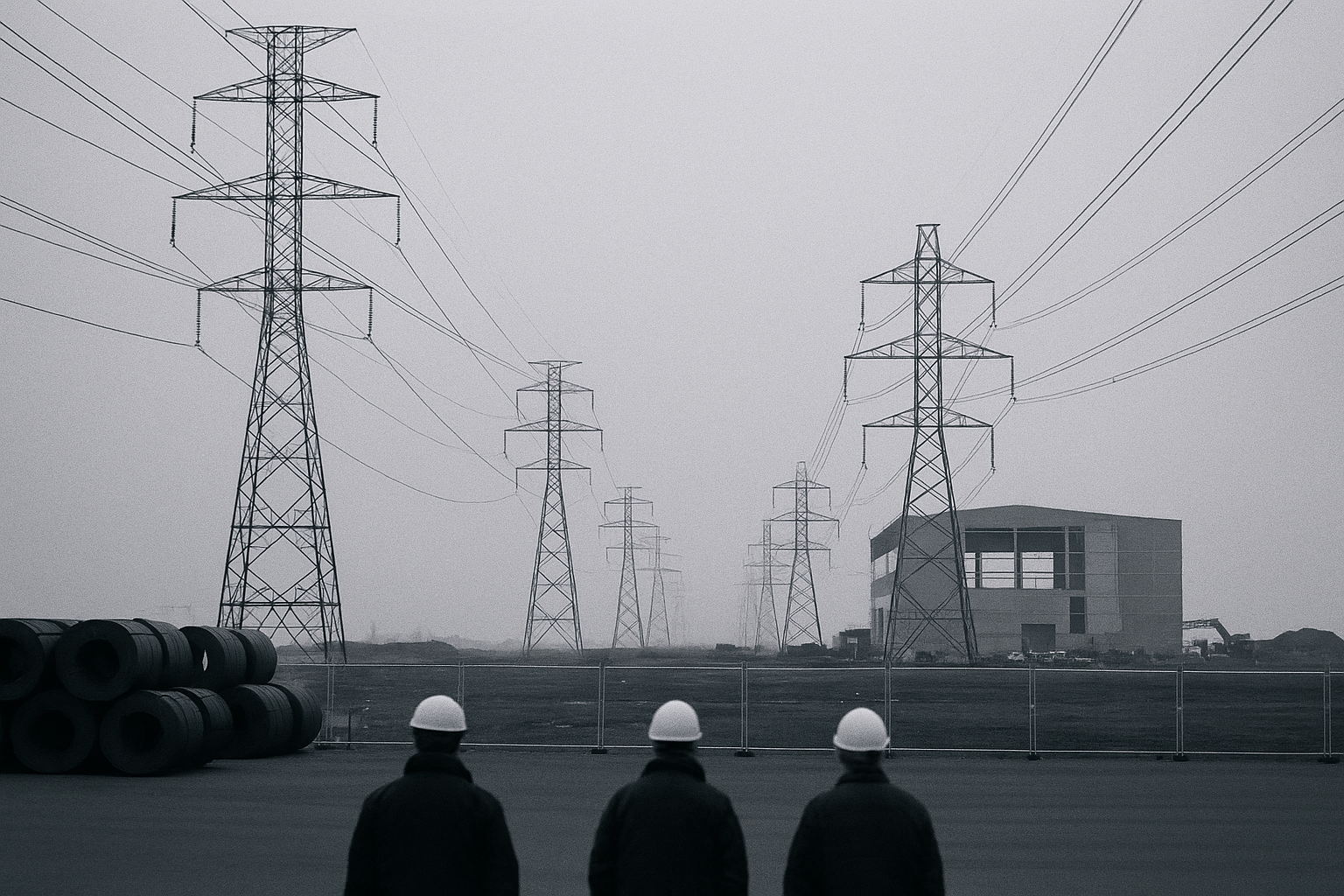
Kokkola aluminium plant expands, Finland faces grid bill, one project could use a tenth of national electricity
- YLE reports the planned Arctial aluminium plant in Kokkola could use around 10 percent of Finland’s electricity.
- The project’s scale has increased, with higher planned aluminium output than previously outlined.
- Such demand would make the plant Finland’s largest single electricity consumer by a wide margin.
- The case turns a local industrial investment into a national question about grid upgrades, power supply and cost allocation.
A planned aluminium plant in Kokkola on Finland’s west coast has grown into a national energy issue. YLE reports that the Arctial project could consume around a tenth of all electricity used in Finland, a level that would make a single industrial site one of the country’s central power-planning problems rather than just another regional investment.
The scale has moved well beyond the outline first presented. According to YLE’s reporting, Arctial now plans to produce more aluminium than previously stated, and its electricity use would clearly surpass Finland’s current largest power consumer. Aluminium smelting is not a business that can be switched on when prices are low and paused when the grid is tight; it demands huge, stable volumes of power around the clock. That turns the project into a claim not only on generation but also on transmission capacity, reserve margins and the sequencing of other industrial connections.
Finland has spent years advertising cheap, clean Nordic electricity as an industrial advantage. Data centres, hydrogen projects, battery materials plants and electrified heavy industry have all arrived with the same sales pitch: jobs, exports and green transition. The arithmetic becomes less flattering when several such projects queue for the same wires. If one aluminium plant takes roughly 10 percent of national consumption, every additional large load starts to compete not in brochures but in substations, permit queues and transmission investment plans.
That is where the bill appears. New high-voltage lines, reinforced grid connections and balancing capacity are rarely paid for by press releases. Some costs fall on the developer, some on the transmission system, and some are spread across users through tariffs and system charges. The public argument usually begins with private capital and local employment. It ends with nationwide infrastructure, regulated returns and a larger power system built around a handful of electricity-hungry sites.
Kokkola has long been an industrial city, and large plants are not new there. What is new is the size of the electrical claim relative to the country. Finland’s energy debate has often treated supply expansion as the hard part and industrial demand as an uncomplicated good. YLE’s figures put the order of events in sharper relief: demand can be announced in one investment plan, while generation, grid reinforcement and local consent arrive later, on slower timetables and with wider costs.
The plant is still planned, not operating, and the final shape of the project will depend on financing, permits and power arrangements. But the numbers already place it in a category where a municipal factory project becomes a national allocation question. One site in Kokkola is now being discussed in units usually reserved for the Finnish grid as a whole.
Källor: YLE Uutiset