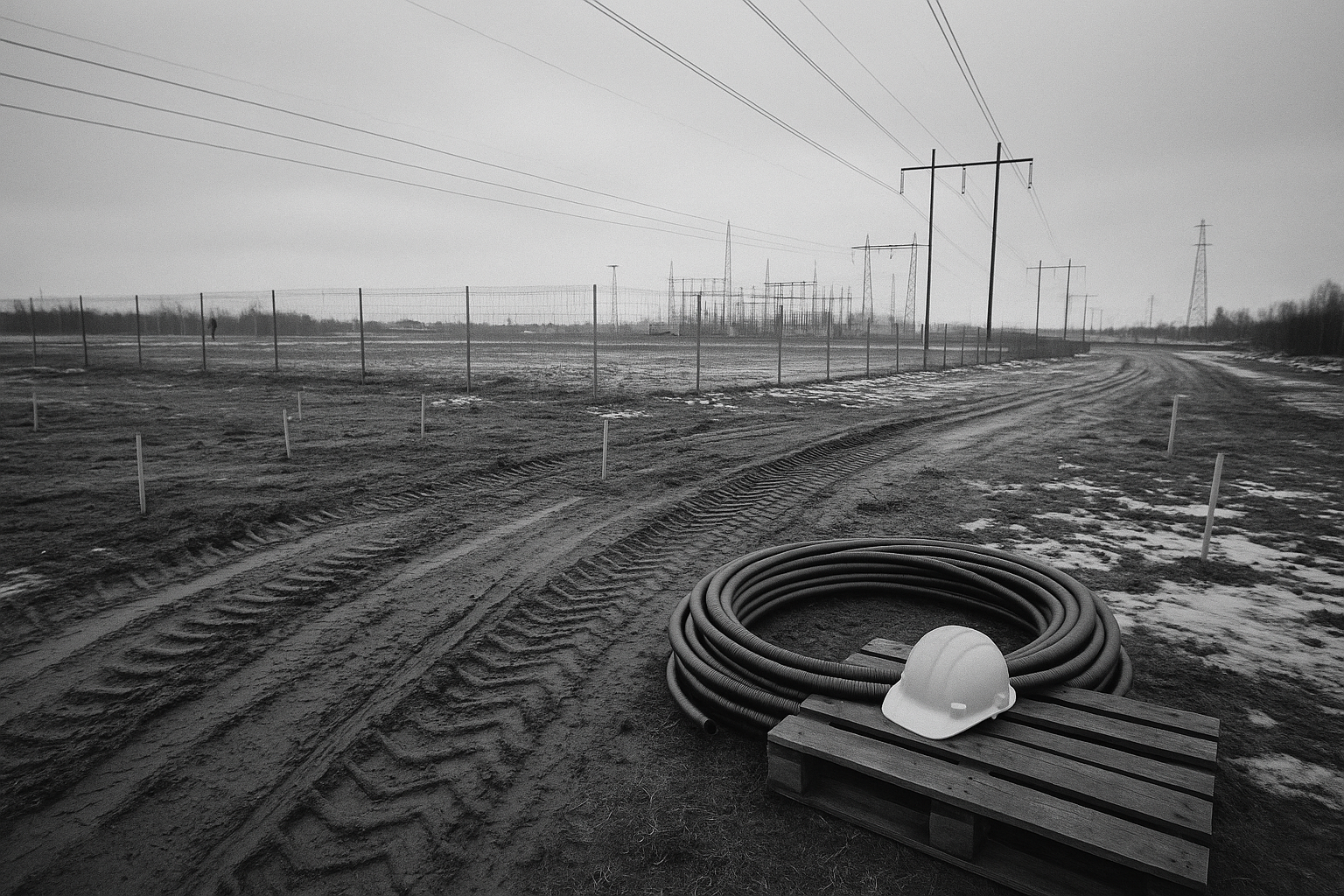
Kokkola aluminium plant promises €5bn lift, power demand and subsidies decide who gains
- A study cited by Helsingin Sanomat puts the plant’s construction-phase employment effect at almost 30,000 person-years and the total economic impact at about €5 billion.
- An aluminium smelter would rank among Finland’s most power-hungry industrial sites, tying the project to electricity prices, grid capacity and future generation.
- The local gains for Kokkola would come with pressure on housing, transport, municipal services and land use during construction.
- The central policy question is whether the state and local authorities would absorb part of the risk through subsidies, infrastructure spending or faster permitting.
A planned aluminium plant in Kokkola is being presented as one of the largest industrial bets in Finland in years. According to Helsingin Sanomat, which reports on a new study, the project would generate nearly 30,000 person-years of work during construction and deliver an economic impact of roughly €5 billion.
For Central Ostrobothnia, the appeal is obvious. A project on that scale would pull in contractors, engineering firms, transport operators and temporary labour, then force quick decisions on roads, housing, port capacity and local services. Kokkola already has an industrial base and a major port, which is part of the sales pitch: the region can absorb heavy industry faster than a greenfield site elsewhere. Municipal politicians also know what follows large factory announcements in Finland: pressure to zone land quickly, expand utility connections and present public spending as an "investment" rather than a subsidy.
The economic arithmetic becomes harder once the construction surge passes. Aluminium smelting consumes vast amounts of electricity, which makes the plant less a local jobs story than a long-term power story. If the smelter secures large volumes of electricity at stable prices, that power is no longer available to other users at the margin; if prices rise, households and smaller firms pay more, and if prices fall through public intervention, someone else carries the cost. Finland has added wind power rapidly, but an energy-intensive plant of this kind would still sharpen the contest over grid capacity, balancing power and transmission planning.
That is where industrial policy enters. Heavy projects rarely move forward on private optimism alone. They require environmental permits, grid connections, land arrangements, water access, port logistics and often some form of public participation around infrastructure. The question is not whether politicians will describe the project as strategic. The question is which costs stay on the company’s balance sheet and which are shifted to the state, the municipality or the wider electricity system.
The ownership and financing structure matter for the same reason. If foreign capital finances the plant, Finland still gets construction work, tax receipts and some permanent jobs, but dividends, procurement margins and parts of the equipment spend can leave the country as quickly as they arrive. If imported machinery, foreign EPC contractors and external financing dominate the build, the headline figure for "impact" says less about retained national income than the marketing suggests. A large gross number can coexist with a thinner local residue.
None of this makes the project trivial. Finland wants more processing industry, more exports and more use for its low-carbon electricity. An aluminium plant fits that ambition better than another public-sector strategy paper. But it would also test whether Finland can add energy-intensive industry without socialising the risk, distorting power prices or turning local government into an auxiliary financing arm for private capital.
Kokkola’s port can already move bulk cargo and chemicals. The more difficult cargo is the electricity bill.
Källor: Helsingin Sanomat