Lego posts record 16.7 billion kroner profit, rural Jutland headquarters defies Danish tax debate
- After-tax profit of 16.7 billion kroner sets a new all-time record for the Billund-based company
- Star Wars product lines were a significant driver of the record year
- The Kirk Kristiansen family's private ownership structure shields Lego from quarterly earnings pressure
- Record profits arrive as Danish election campaign centres on taxing wealth creators and capital levies
Lego's after-tax profit reached 16.7 billion Danish kroner in 2025 — roughly €2.2 billion — the highest figure in the company's 93-year history. Jyllands-Posten reports that strong demand for Star Wars product lines helped push the Billund-based toymaker to records on multiple fronts, cementing its position as one of the most profitable privately held companies anywhere in the Nordics.
The Kirk Kristiansen family, now in its fourth generation of ownership, controls Lego through a holding structure anchored by the Kirkbi investment vehicle. No outside shareholders demand quarterly guidance. No activist investors agitate for share buybacks or spin-offs. The family reinvests profits at a pace and direction of its own choosing — a luxury that publicly listed competitors simply do not have. This structure allowed Lego to survive a near-death experience in the early 2000s, restructure without market panic, and emerge as a company that now generates more profit than many listed Nordic industrial groups.
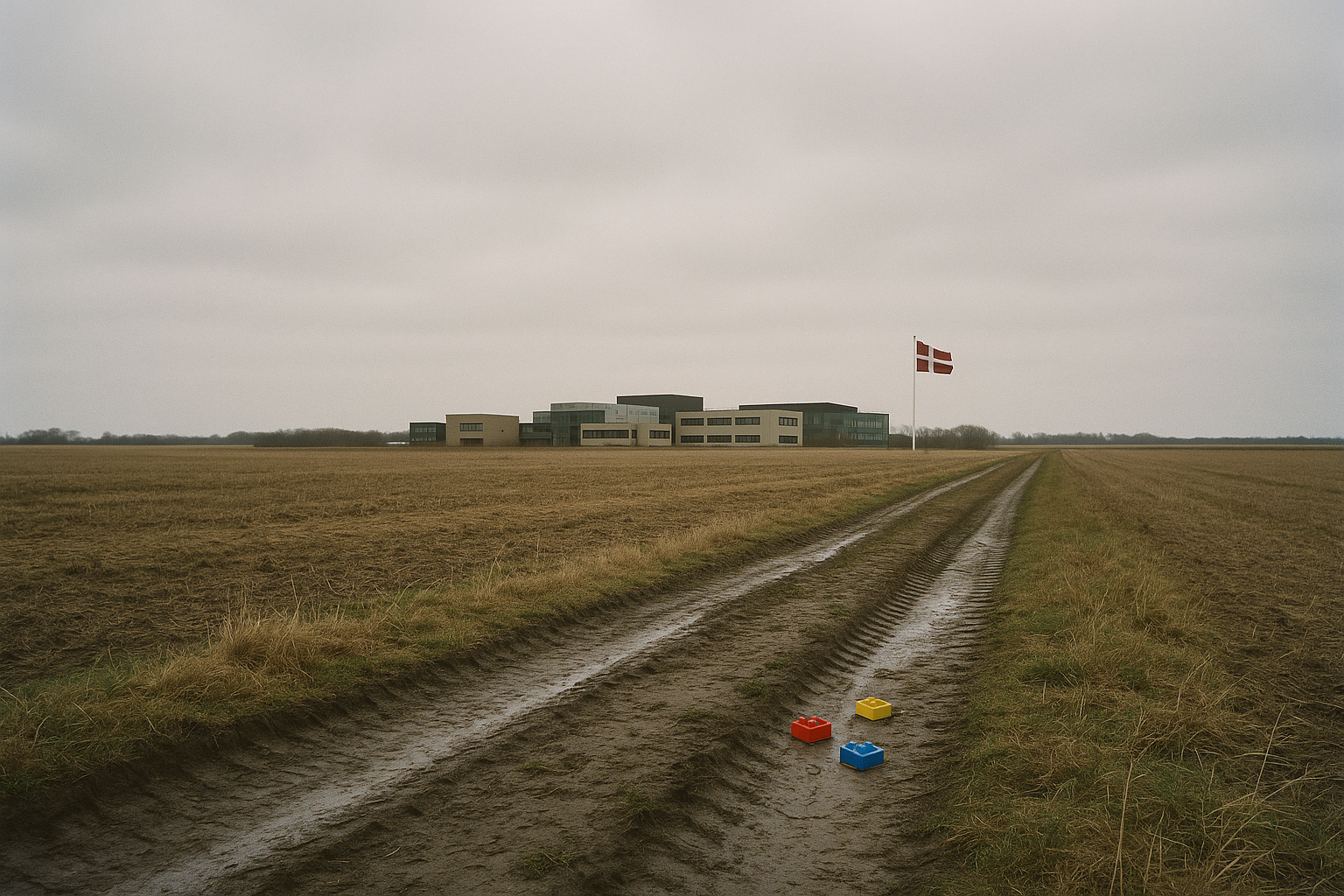
That Lego remains headquartered in Billund — a town of roughly 7,000 people in central Jutland, far from Copenhagen's financial district — is itself instructive. Denmark's corporate tax rate sits at 22 percent, its top marginal personal income tax exceeds 55 percent, and its labour market, while flexible under the "flexicurity" model, is among the most expensive in Europe. None of this has driven Lego away. The company's scale generates its own gravitational pull: suppliers, designers, and logistics operations cluster around Billund because Lego is there, not the other way around.
The record arrives at a politically charged moment. Denmark's ongoing election campaign has put wealth taxation and capital levies at the centre of debate, with several parties proposing new charges on the country's wealthiest families and their holdings. The Kirk Kristiansen family fortune — estimated by Forbes at over $40 billion — makes them an obvious reference point in that discussion, even if Lego itself is rarely named directly. The broader argument is familiar across the Nordics: whether private wealth accumulation at this scale is compatible with the social contract, or whether the contract itself is what makes accumulation possible.
What the Danish political class has not yet explained is how taxing family-held capital more aggressively would affect companies structured like Lego, where retained earnings fund long-term investment rather than flowing to dispersed shareholders. A capital levy on the Kirkbi structure would, in effect, tax the reinvestment capacity of a company that employs thousands in one of Denmark's least urbanised regions.
Sources: Jyllands-Posten