Lower food VAT reaches tills, Luleå grocer sees fuller baskets, price cuts blur sales gains
- Sveriges Radio Ekot reports that some grocers have seen sales volumes rise after the food VAT cut.
- ICA retailer Fredrik Kerttu in Luleå says customers are adding more items when they shop.
- Lower prices mean the increase is clearer in units sold than in revenue growth.
- The early effect offers a concrete test of how tax changes move through households, retailers and suppliers outside Sweden’s largest cities.
Customers in some Swedish grocery stores are already leaving with fuller baskets after the reduction in food VAT. Sveriges Radio Ekot reports that several retailers have seen an increase in sales volumes, even if the lower prices mean the effect is less visible in headline turnover.
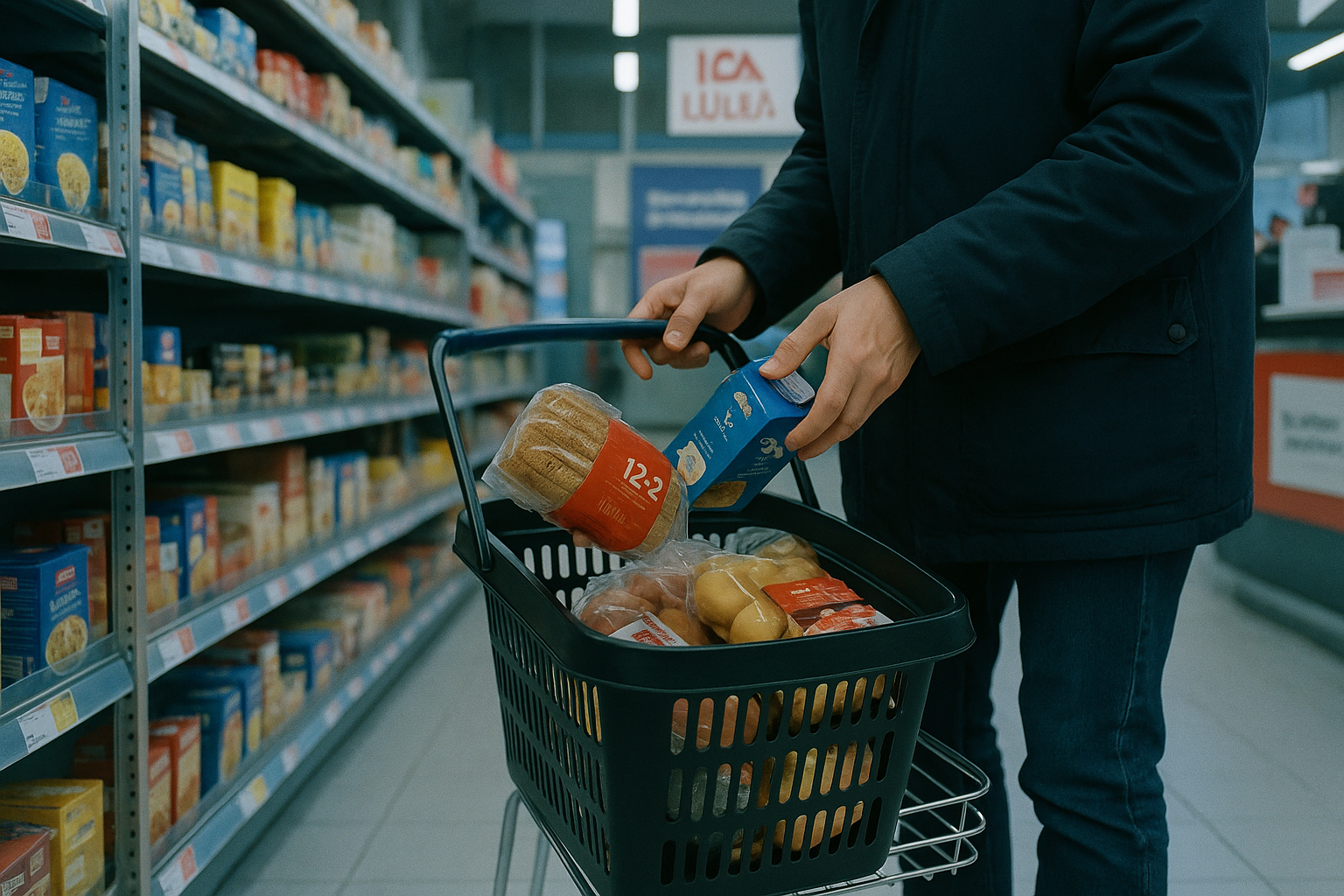
One of them is ICA retailer Fredrik Kerttu in Luleå, in northern Sweden. He told Ekot that customers are buying slightly more when they do shop. For the store, that is a positive shift. But when shelf prices fall at the same time, revenue growth does not rise in step with the number of items passing through the checkout.
That distinction matters. A tax cut can show up first in quantity rather than kronor: more goods sold, larger baskets, and customers choosing not to trim purchases as aggressively as before. For households, the change is measured in what fits into a weekly shop. For retailers, the immediate question is whether lower VAT lifts traffic, basket size, or only relieves pressure on margins after a long period of food inflation.
The Luleå example gives the policy a setting outside Stockholm, Gothenburg and Malmö, where competition, logistics and household budgets look different. Northern stores face long supply chains and a customer base that notices even small shifts in staple prices. If shoppers there are already adding items, the tax change is moving beyond government announcements and into ordinary buying decisions.
What remains unclear is how the gain is being divided. A lower VAT rate can be passed through to consumers in lower prices, absorbed partly by retailers, or offset by suppliers elsewhere in the chain. Kerttu's description points to one early result: customers appear to be responding at the margin, while the store's sales development looks flatter because each item now carries a lower tax burden.
For now, the clearest signal is not a dramatic jump in turnover but a small change at the basket level. In Luleå, the first effect of the tax cut is counted item by item at the till.
Källor: Sveriges Radio Ekot