Microsoft builds three massive data centre campuses outside Helsinki, Finland's grid foots the bill
- Three separate campus-scale data centre sites are under construction simultaneously in the Helsinki region
- Microsoft describes the project as one of its biggest investments in Europe
- Finland's electricity grid is already under seasonal pressure, raising questions about who benefits from the added load
- The deal follows a pattern across the Nordics where tech giants secure cheap, clean power while host countries absorb infrastructure costs
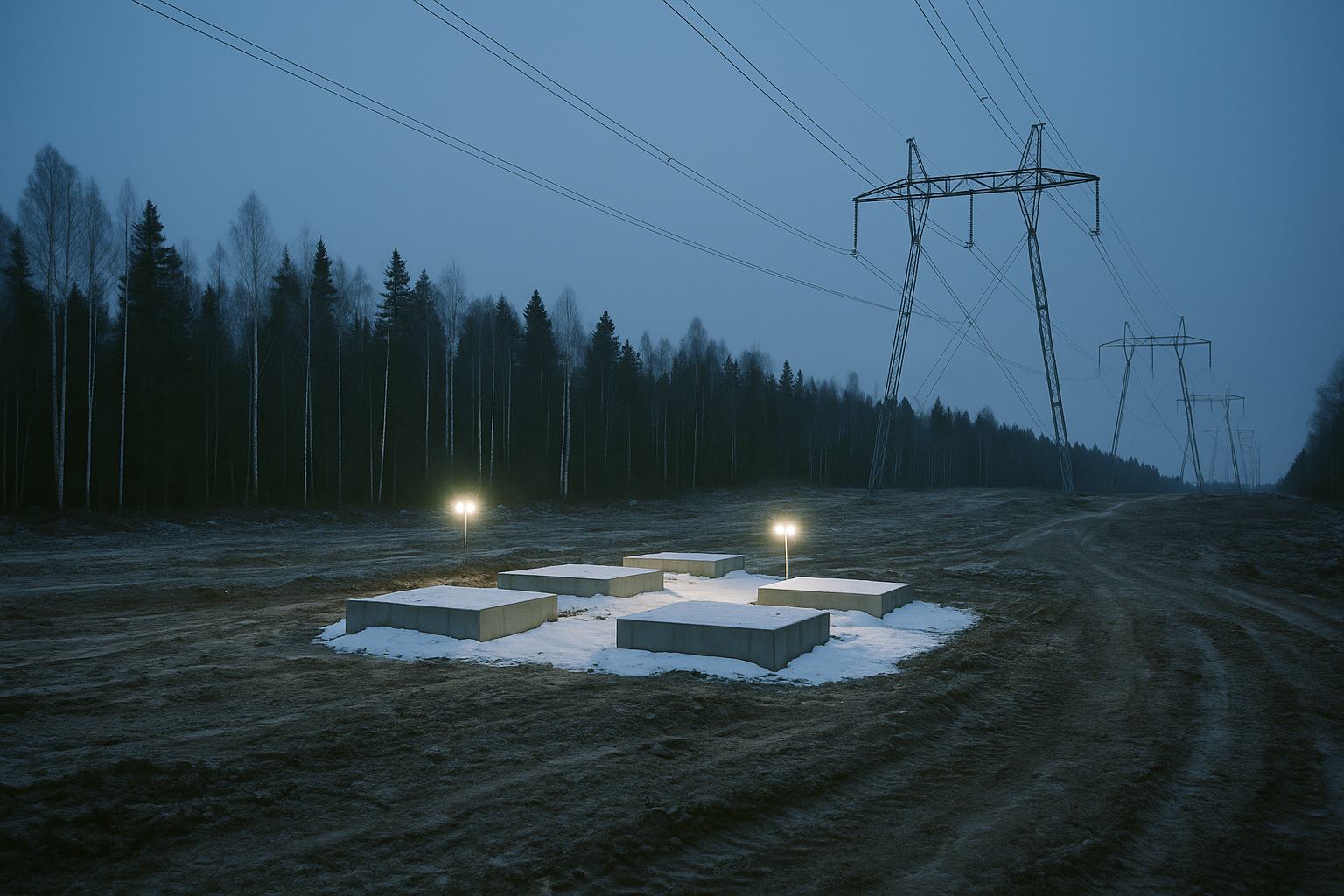
Three enormous data centre campuses are rising simultaneously on the outskirts of Helsinki, part of what Microsoft describes as one of its largest infrastructure investments anywhere in Europe. Hufvudstadsbladet reports on the physical scale of the buildout, which spans three separate sites and represents a concentration of computing power that will reshape local energy demand for decades.
The investment is real. So is the electricity bill. Finland's grid already runs tight during winter peaks, when the country relies on imports from Sweden and Estonia to keep the lights on. Adding campus-scale data centres — facilities that run at full load around the clock, year-round — does not ease that equation. Microsoft gets access to some of Europe's cheapest and cleanest electricity, generated largely by Finnish nuclear and Nordic hydro. Finland gets servers.
The standard justification for these deals is jobs and tax revenue. Data centres, however, are famously light on permanent employment. A facility that covers the footprint of a small town might employ a few hundred people once construction crews leave. The tax picture is equally modest: multinational tech companies are skilled at routing profits through jurisdictions where the rate is lowest, and Finland is not that jurisdiction. What remains is the construction phase — temporary — and the electricity consumption, which is permanent.
Finland is not alone in this arrangement. Across the Nordics, tech giants have been quietly locking in power contracts that secure cheap, emissions-free electricity for their AI training clusters and cloud infrastructure. Norway, Sweden, and Denmark have all seen similar buildouts. The pattern is consistent: the host country provides the grid, the cooling climate, the political stability, and the renewable energy credentials. The tech company provides the demand — and books the margin in Dublin or Luxembourg.
Finnish policymakers approved the investments eagerly. The geopolitical argument — that hosting critical Western digital infrastructure strengthens Finland's strategic position — carries weight in Helsinki, particularly after NATO accession. Whether that argument holds up depends on what leverage Finland actually retains. Data centres are not military bases; they can be decommissioned, and workloads can be shifted to other regions with a configuration change. The servers belong to Microsoft. The power lines belong to Finland.
There is a version of this deal that works for the host country: one where energy pricing reflects true grid costs including peak-load insurance, where tax arrangements capture a meaningful share of value, and where long-term contracts include commitments that go beyond press releases. Whether Finland negotiated that version is a question Hufvudstadsbladet's reporting does not answer, and one Finnish politicians have not been eager to discuss in detail.
What is visible from the construction sites outside Helsinki is concrete, steel, and backup generators — the physical infrastructure of an industry that sells itself as weightless and virtual. The three campuses will draw power equivalent to a mid-sized Finnish city. The profits will be reported in Redmond, Washington.
Sources: Hufvudstadsbladet