Miðflokkurinn loses ground, Grindavík rewards larger parties, volcanic crisis reshapes local loyalties
- Miðflokkurinn dropped from three council seats to one in Grindavík.
- The Independence Party and Progressive Party each secured three seats.
- Grindavík has become one of Iceland’s most closely watched municipalities since the volcanic crisis.
- The result suggests recovery, housing and administrative trust are driving local political realignment.
Miðflokkurinn lost two of its three seats in Grindavík’s municipal election, reduced to a single council member in one of Iceland’s most scrutinized towns. Vísir reports that the Independence Party and the Progressive Party each won three seats in the new town council.
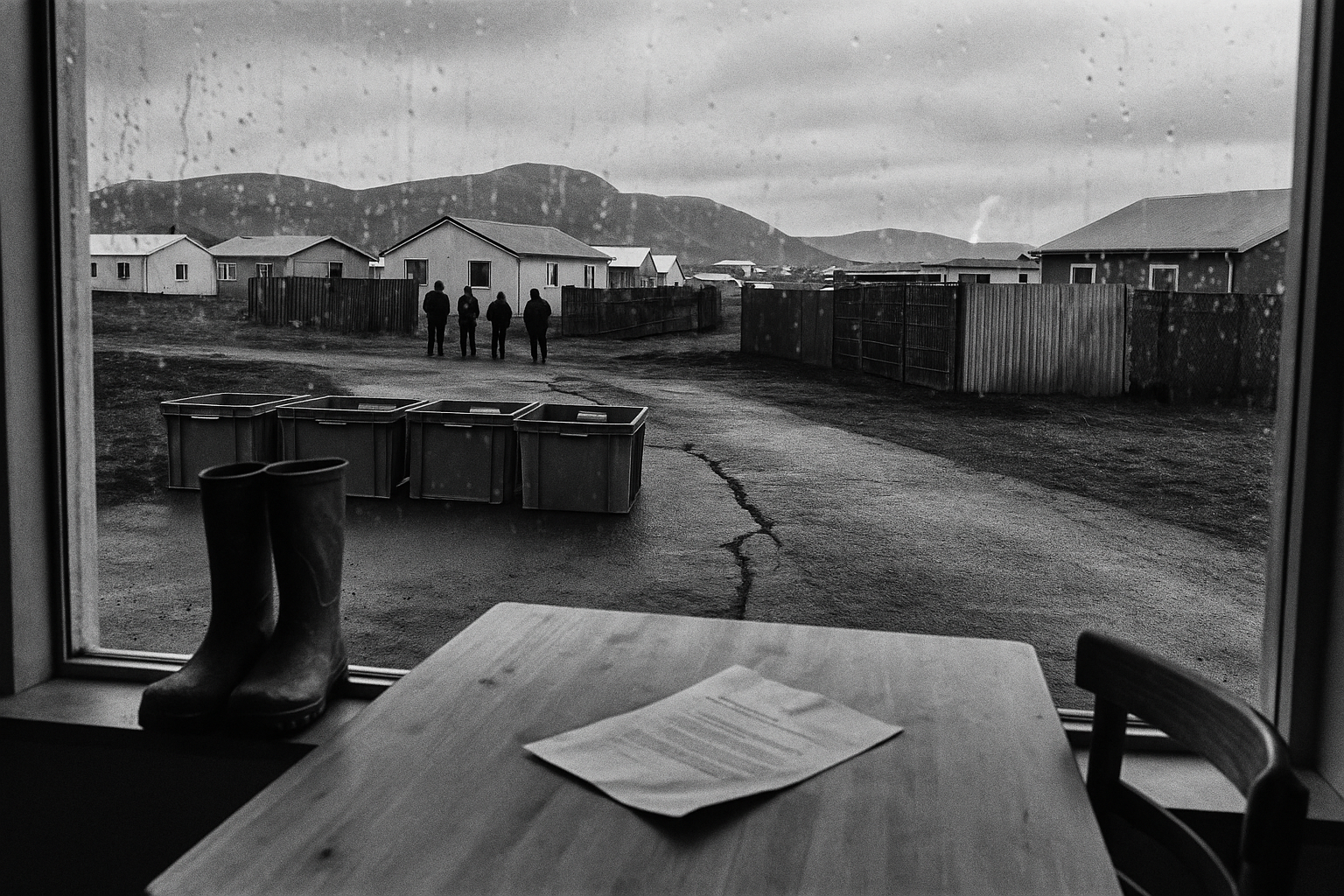
That would be a routine local result almost anywhere else. In Grindavík, it lands differently. The fishing town on the Reykjanes peninsula has spent months as a national symbol of disruption after repeated volcanic activity, evacuations and damage to homes and infrastructure pushed ordinary municipal questions into a permanent state of emergency. Council seats there now sit much closer to decisions about compensation, housing access, rebuilding timetables and who residents trust to deal with the state on their behalf.
The electoral arithmetic is small, but the incentives are plain. When a municipality is operating under pressure, parties associated with administrative reach and established networks have an advantage. The Independence Party and Progressive Party are both deeply embedded in Icelandic local government and national politics; in a town negotiating over property, services and recovery, that matters more than campaign rhetoric. Voters do not need abstract promises when roads, homes and municipal functions are tied to decisions being made week by week.
Miðflokkurinn’s decline in Grindavík also shows how quickly protest energy can thin out when politics becomes managerial. A party can benefit when voters want to register anger. It is a harder sell when the central question is who can get families housed, keep the municipality functioning and extract commitments from Reykjavík. In that setting, familiarity and access become electoral assets, even when trust in institutions is otherwise strained.
Grindavík’s result will not redraw Icelandic politics on its own. But it offers a compact view of how disaster politics reorders local loyalties: away from parties that thrive on opposition, toward parties that look equipped to run a damaged town. In municipalities under prolonged stress, voters often choose the organisation they think can pick up the phone and get an answer.
In Grindavík, that shift cost Miðflokkurinn two seats. The parties that emerged strongest were the two that took three each in a town still living with evacuation maps and damaged houses.
Källor: Vísir