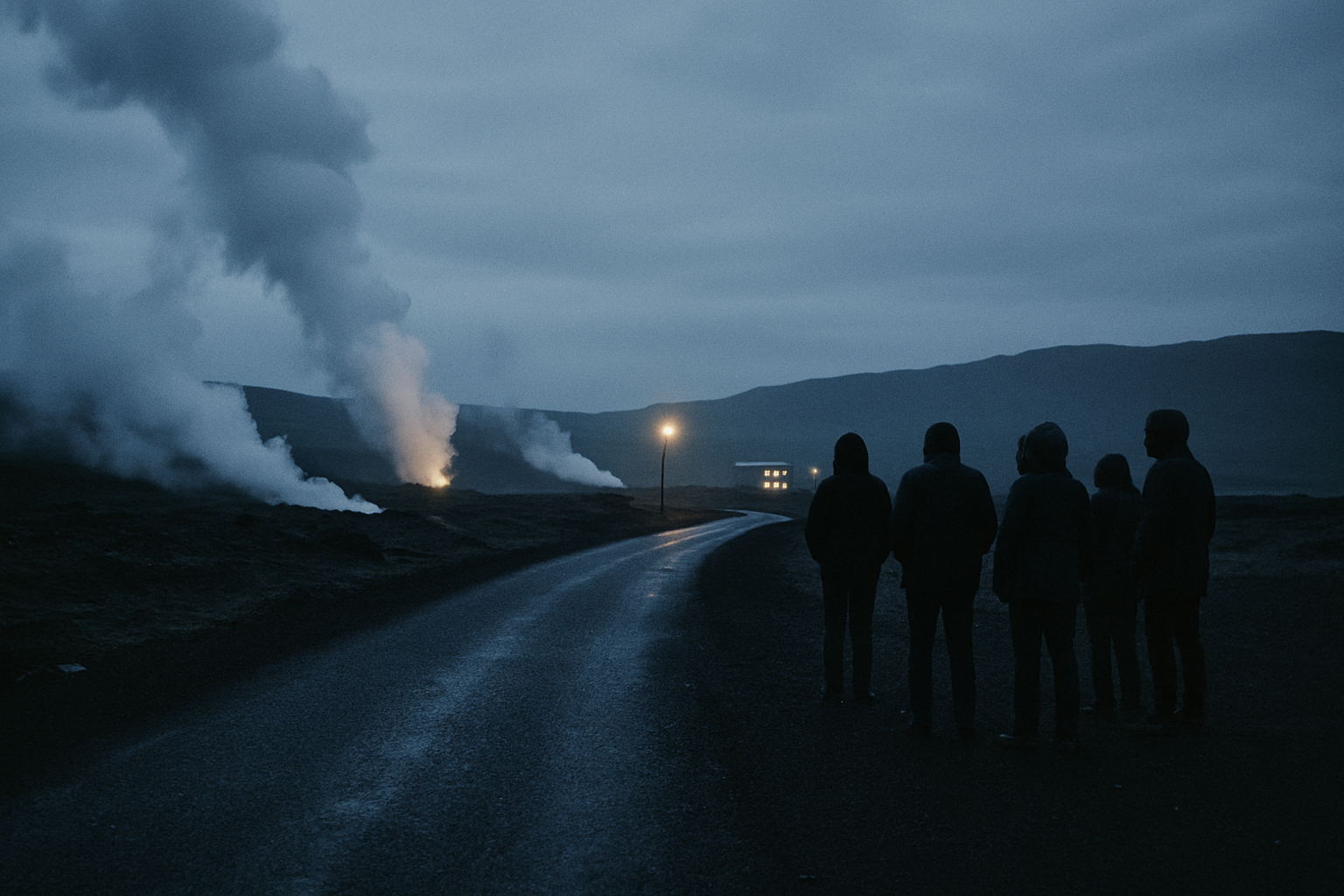
Nesjavellir quake rattles Reykjavík area, century’s largest locally, exposes capital region’s seismic test
- The quake struck at 00:36 near Hengill, 3.5 kilometres northeast of Skeggi, and was followed by minor aftershocks.
- ION Adventure Hotel near the epicentre reported startled guests but no visible structural damage beyond pictures falling from shelves.
- According to the Icelandic Meteorological Office, the area produces frequent seismic activity; the previous larger local event was a magnitude 4.6 quake in 1998.
- The tremor hit Iceland’s most populated region, putting attention on building resilience, tourism facilities and infrastructure around Reykjavík.
A magnitude 4.1 earthquake struck near Nesjavellir at 00:36, shaking much of southwest Iceland and prompting reports from across the Reykjavík capital area. RÚV reports that the tremor was the largest recorded at Nesjavellir since 1998, even if the immediate damage appears limited.
The epicentre was measured 3.5 kilometres northeast of Skeggi in the Hengill area, according to the Icelandic Meteorological Office, and minor aftershocks followed. The quake was felt strongly enough that people contacted the broadcaster from various parts of the capital region, and it was also clearly felt at RÚV’s own headquarters in Reykjavík. Near the epicentre, night staff at the ION Adventure Hotel said several guests came out of their rooms to see what had happened. The hotel’s night receptionist, Mike Wilk, told RÚV that no obvious damage was visible apart from pictures falling from shelves.
That combination matters more than the headline number. A moderate quake in a seismically active zone is routine in Iceland; a moderate quake that wakes hotel guests and residents in the country’s most populated corner is a small stress test of a much larger system. The southwest concentrates housing, roads, utilities, tourism capacity and public services in a region that also sits close to active volcanic and seismic belts. When a 4.1 event produces fallen objects but no reported structural damage, that says one thing about current resilience. It also shows how narrow the margin can be between a brief overnight disturbance and a more expensive morning.
The Meteorological Office said seismic activity is common in the area. Its comparison point was a magnitude 4.6 earthquake in 1998 on similar ground, the last larger local event before this one. That history cuts both ways. Frequent smaller quakes mean Icelandic engineers, emergency planners and residents are not dealing with an abstract risk. They also mean the capital region receives repeated reminders that readiness is judged long before any major event arrives: in building standards, interior safety, hotel procedures, transport links and how quickly authorities can assess damage when the shaking stops.
For now, the public record attached to this quake is sparse: startled guests, reports from residents, minor aftershock activity, and no reported serious damage. In the ION hotel, the visible toll was a few pictures on the floor.
Källor: RÚV