Nest AI targets eastern border defence, Finland tests European control over military AI
- Nest AI says its goal is defence technology that European actors can own and control themselves
- The project is framed around Europe’s eastern border, where Finland now sits on both the EU and NATO frontline
- The commercial test is whether the company has named customers, funding and deployable products rather than a timely slogan for the rearmament cycle
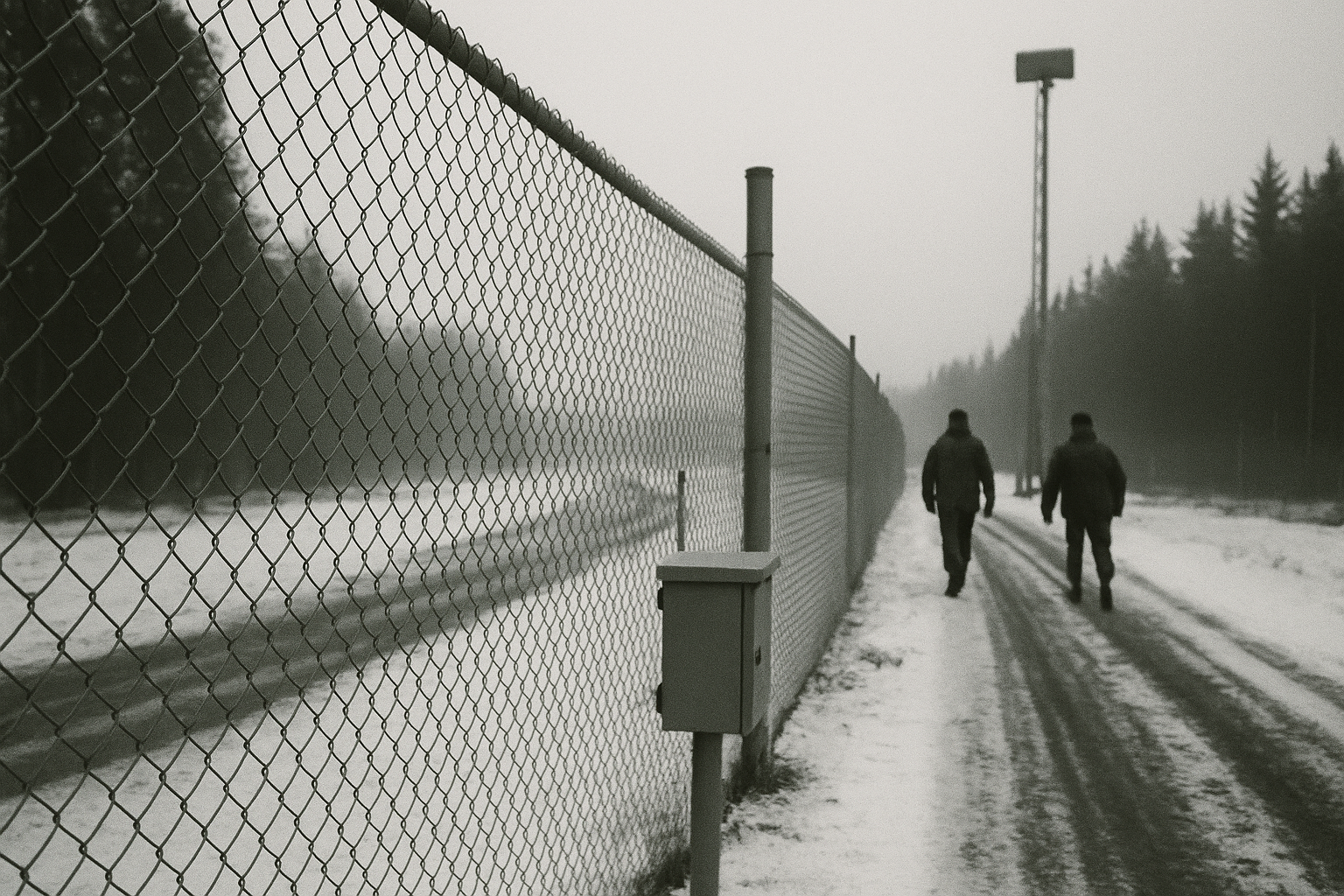
A Finnish artificial-intelligence company, Nest AI, says it will begin training models for defence on Europe’s eastern border, tying its business directly to the most militarised line in northern Europe. According to YLE reports, the company’s stated aim is to build defence technology that European actors can own and control themselves rather than depend on outside platforms.
That pitch lands in a country with a 1,340-kilometre border with Russia and a fast-rising role inside both the European Union and NATO. Finland’s defence debate has long centred on artillery, reserves and territorial defence; software is now being added to the same list. If targeting, surveillance, sensor fusion or command support sit on systems licensed from foreign vendors, the chain of control runs beyond Helsinki even when the hardware is local. Nest AI is selling the opposite proposition: keep the model layer under European ownership and keep the permissions close to the border it is meant to defend.
YLE’s report frames the effort as part of a broader defence-technology build-up, but the hard test is less rhetorical than financial. Rearmament has created a market full of companies attaching themselves to border security, drones and AI while governments search for quick procurement paths. The useful questions are plain ones: who pays for the training, which defence customers are already inside the project, what data the models are trained on, and whether the company is delivering a defined capability or still marketing an intention. A model advertised for border defence can mean anything from image recognition on drone feeds to logistics planning or automated analysis of surveillance material; each has different military value and different security risks.
The ownership claim also cuts into Europe’s wider procurement problem. European states have spent years talking about strategic autonomy while buying cloud capacity, chips, software layers and data infrastructure from abroad. Defence ministries can insist on sovereign decision-making, but if the underlying tools are hosted, updated or permissioned elsewhere, autonomy narrows quickly. Finland, because of geography, has less room than most for decorative sovereignty. Systems meant for pressure on the Russian border have to work under stress, with contested communications, export controls and the possibility that a foreign supplier’s priorities change at the wrong moment.
That leaves Nest AI with a narrow opening and a high bar. If it has domestic or European funding, named defence customers and a product that can be integrated into existing military systems, Finland gains one more piece of the stack under closer control. If not, the company joins a crowded line of startups using the language of deterrence to raise money while the decisive software layer remains elsewhere.
For Finland and its neighbours, the question is not whether AI will enter border defence. It is whether the code running on the frontier belongs to the states defending it or to whoever owns the platform contract.
Källor: YLE Uutiset