Nordic grid sabotage warning, cross-border dependence exposed, governments asked to pay for harder system
- The report says the Nordic electricity system is more exposed to sabotage than earlier assessments suggested.
- Its authors call for a common Nordic strategy rather than separate national responses.
- The risk is tied to interdependence: damage in one part of the system can spill across borders.
- The unresolved question is who finances hardening measures in a market shaped around leaner operation.
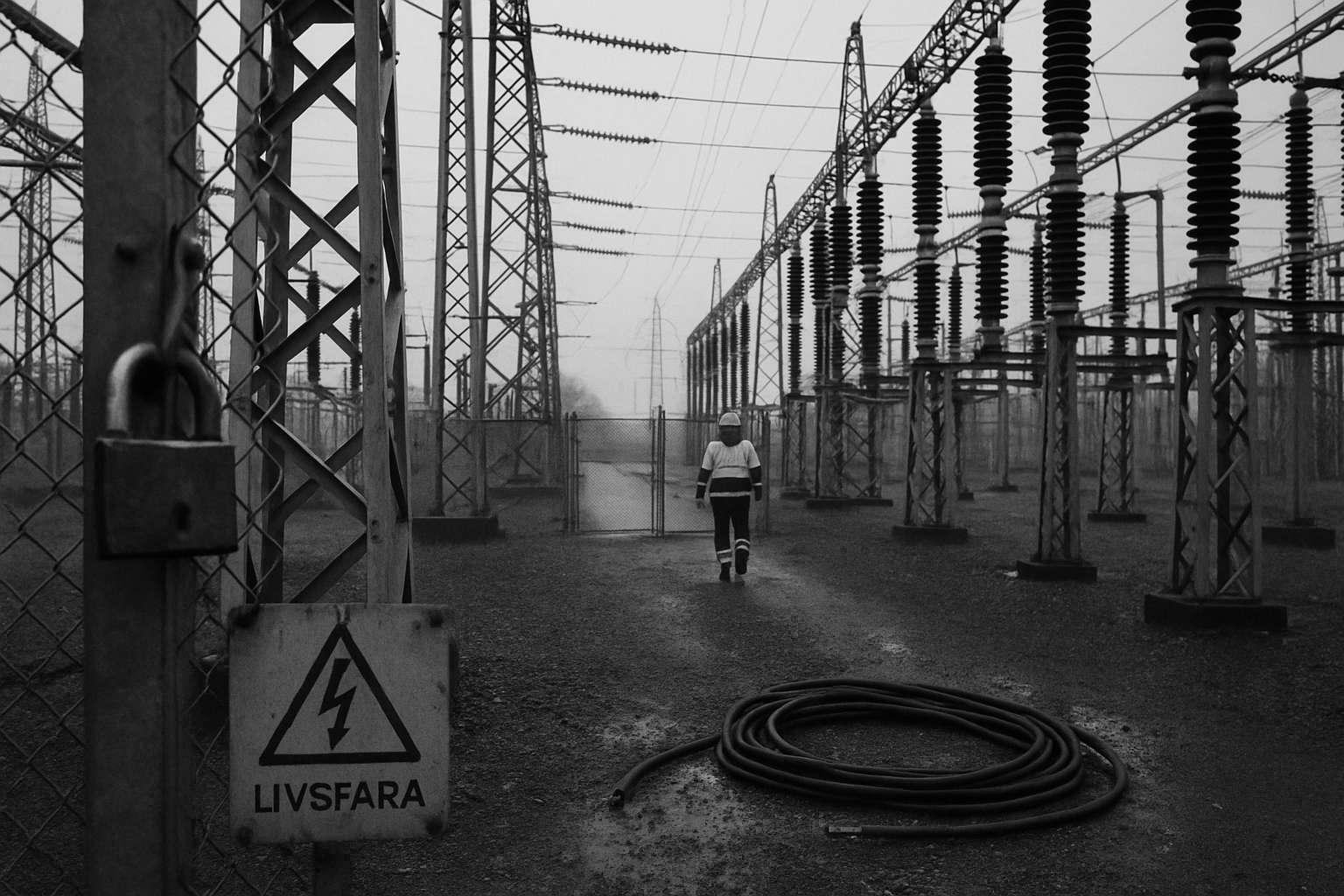
The Nordic electricity grid is more vulnerable to sabotage than previously assumed, according to a new report highlighted by Svenska Dagbladet. The report proposes that Nordic governments draw up a common strategy for future threats, with one of its authors telling the paper: “We have been naive.”
The warning comes at an awkward moment for Sweden. Industry and government are pushing electrification of steel, transport and heavy manufacturing while the underlying system depends on cables, substations, control systems and interconnectors spread across several countries. That arrangement lowers costs and allows power to move where prices are highest, but it also means a disruption is less likely to stay local. A strike on a critical node, whether physical or digital, can travel through a market and grid designed to share capacity across borders.
What the report appears to challenge is the assumption that efficiency and resilience can be bought in the same package. A lean system has less slack: fewer margins, tighter balancing, more reliance on imports and on infrastructure that must work continuously. The Nordic countries have spent decades knitting their power systems together, which has produced a larger common market and more mutual dependence. The same interdependence now features in the threat picture the report describes.
That leaves a funding question governments have mostly managed to postpone. Hardening a grid means redundancy, physical protection, cyber defence, stockpiles of key components and backup arrangements that sit idle until something breaks. Those costs land somewhere: on electricity consumers through tariffs, on taxpayers through state support, or on utilities and grid operators whose business models have rewarded lower costs and high utilisation. The report’s call for a joint strategy suggests the bill is too large, and the responsibilities too entangled, to be settled by each country on its own.
For Sweden, the issue is larger than one security report. A country planning more electricity demand is also planning more dependence on the network that delivers it, and in the Nordic market that network does not stop at the border. The report arrives before any visible crisis has forced emergency spending. For now, the system still runs on the assumption that the next cable, transformer and control room will be there when needed.
Källor: Svenska Dagbladet