Norrköping startup targets hidden drones, Ukraine war sharpens demand, Swedish buyers still unconfirmed
- Dubblett is developing technology to find 'sleeping' drones concealed in terrain before use.
- The company frames the product around lessons from Ukraine, where drone threats now shape logistics and battlefield movement.
- The commercial test is whether Swedish defence and civil-protection buyers place orders, not whether the concept attracts attention.
- The case shows how small Nordic firms are trying to move from software and sensors into urgent military applications.
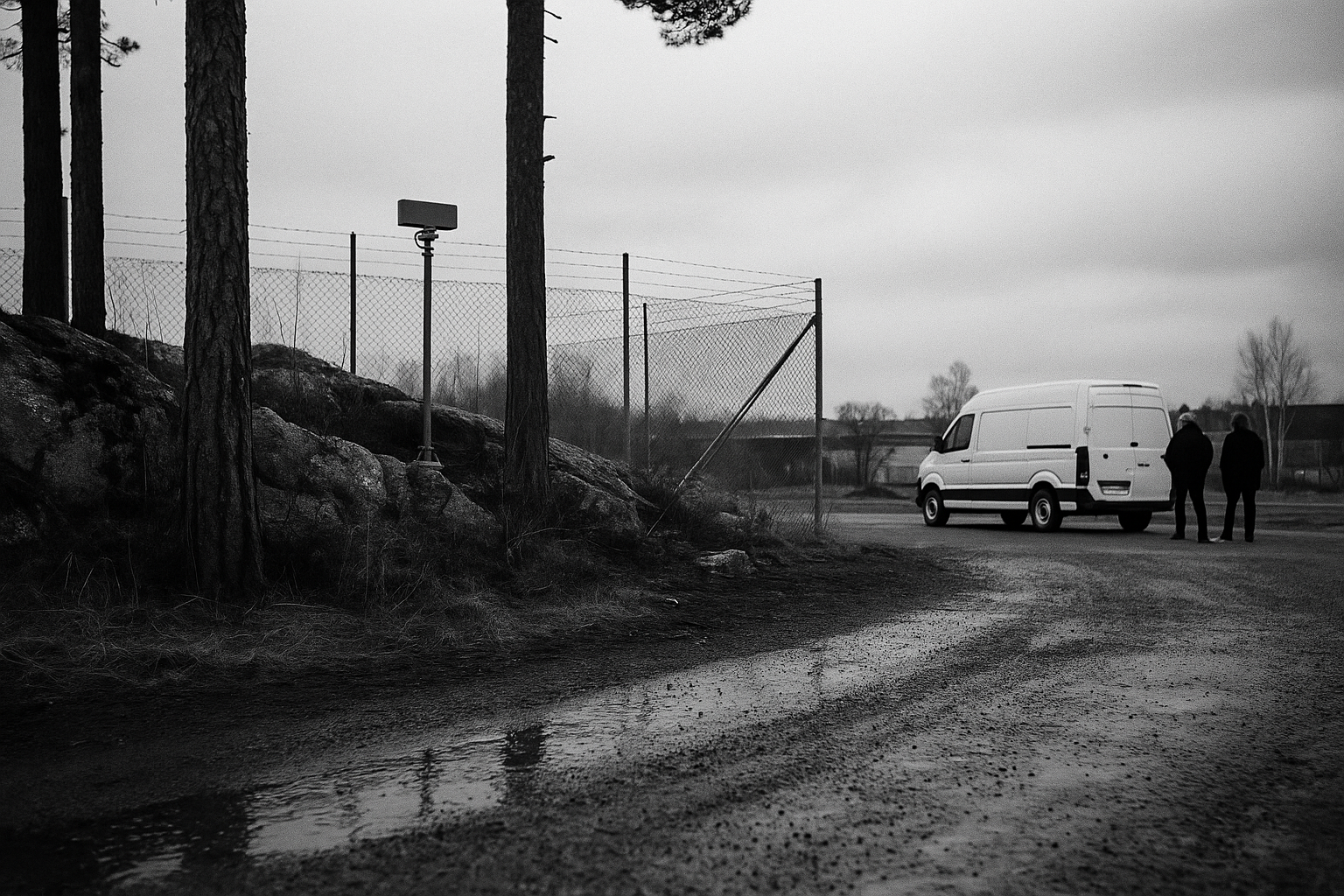
A startup in Norrköping is trying to solve a problem that barely featured in European defence planning a few years ago: drones hidden in the ground, waiting to be activated. Dagens Industri reports that Dubblett is developing technology meant to detect these "sleeping" drones in terrain, a threat the company links directly to the war in Ukraine.
The timing is easy to understand. In Ukraine, roads near the front have been covered with nets to shield transport routes from drone attacks, a blunt adaptation to a cheap weapon that keeps forcing expensive changes in movement, logistics and protection. Dubblett is aiming one step earlier in that chain: not shooting drones down once they are airborne, but finding them before launch. If that works outside controlled tests, it addresses a part of the drone problem that interception systems do not solve. A concealed drone that never takes off is cheaper to deal with than one already over a convoy, a depot or a power installation.
That has created room for small firms with sensors, software and a plausible military use case. Sweden has defence primes, but the drone war has also opened a market for narrower companies trying to build one tool for one urgent problem. The question is less whether the threat exists than whether buyers trust a young company to handle it. Detection systems live or die on false positives, range, terrain performance and how quickly an operator can act on the alert. A product that can find metal scraps, birds and abandoned equipment is one thing; a product that can reliably distinguish a hidden drone in forests, fields or roadside cover is another.
The procurement side matters just as much. For Sweden, the relevant test is whether the Swedish Armed Forces, the Civil Contingencies Agency (MSB), police bomb squads or critical-infrastructure operators are actually ordering such systems. Defence-tech startups can collect pilot projects, incubator backing and conference attention for quite a while before reaching that point. The war has shortened some timelines, but public procurement still moves slower than battlefield adaptation, and agencies often prefer established suppliers once budgets are on the table.
Dubblett's project still captures something real about the current market. The battlefield has shifted demand from large platforms toward cheaper counters for cheaper threats, and local firms are trying to fill those gaps before foreign suppliers do. In Norrköping, that means building a business around the possibility that the next drone attack may begin long before the drone leaves the ground.
The company is working on technology to find machines that are supposed to remain unseen, hidden in ordinary terrain until someone comes back to wake them.
Källor: Dagens Industri