Northern power squeeze deepens, Melkøya gas plant becomes grid fallback, new industry loses reserved capacity
- Northern power firms will present a joint appeal to energy minister Terje Aasland to keep Melkøya's gas-fired generation available after electrification.
- Statnett has stopped reserving capacity for new industry and other large customers north of Svartisen.
- The decision puts future industrial projects and associated jobs in doubt unless more generation or grid capacity arrives first.
- The conflict pits emissions policy against industrial expansion in a region already short of dispatchable power.
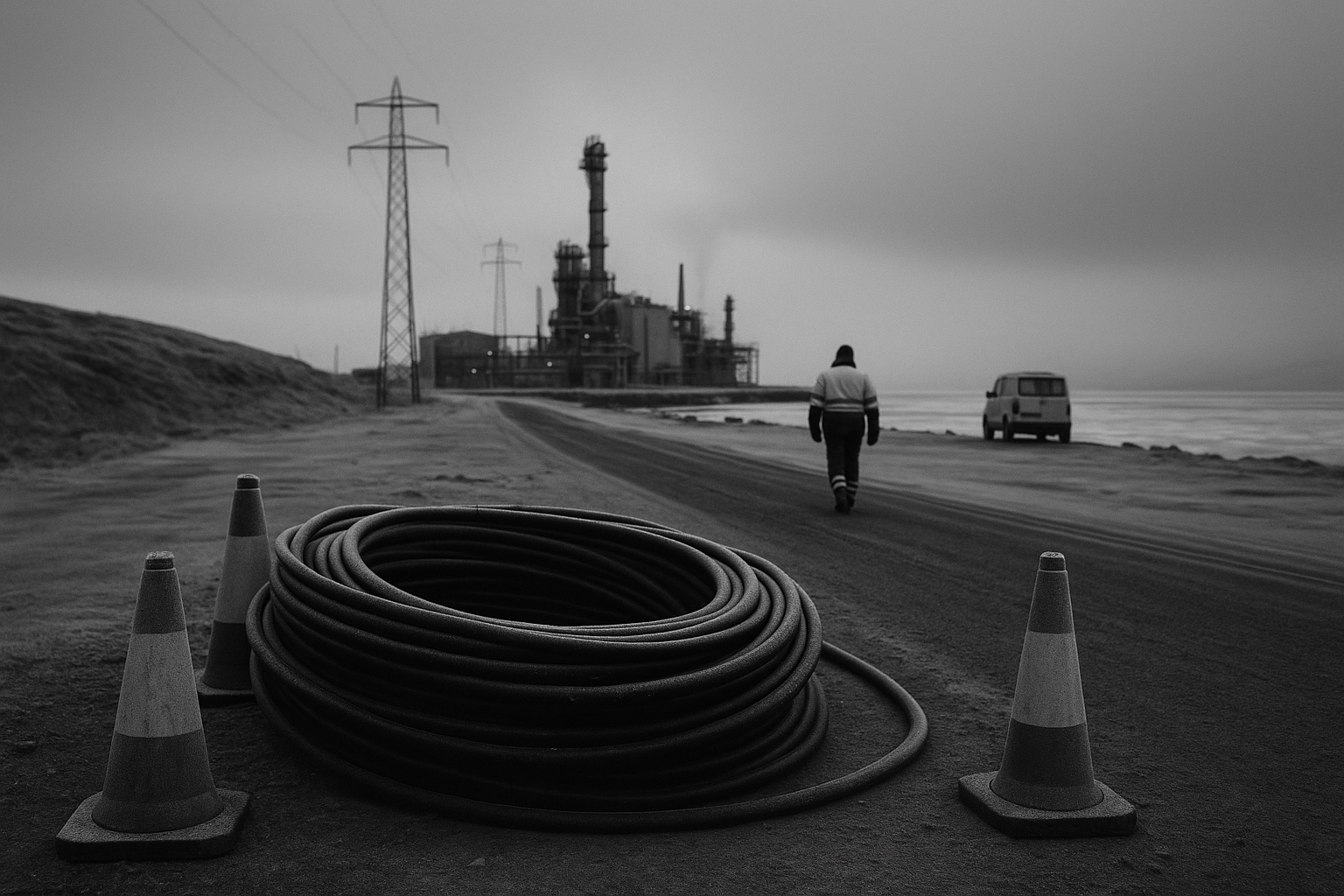
Power companies in northern Norway are asking energy minister Terje Aasland to keep the gas-fired plant at Melkøya running even after the Hammerfest LNG facility is electrified, according to Document.no reports. The request follows Statnett's decision to stop reserving electricity capacity for new industry and other large customers north of Svartisen, a line that cuts through Norway's already divided power map. What was presented as one emissions measure at one gas plant is now colliding with the region's wider industrial queue.
Melkøya has become the obvious pressure point because it sits at the intersection of two state ambitions: cut emissions from oil and gas production, and build more industry in the north. If the grid operator no longer holds back capacity for future customers, those future customers are left to wait for power that has not been built, lines that have not been expanded, or both. Northern power companies have now coordinated a common statement and proposal for Aasland, Document.no writes, arguing that keeping the gas plant available would give the region a buffer while the rest of the system catches up. That is a narrower and less ceremonial use for a gas plant than the original electrification debate suggested, but it also says something plain about the current system: reserve margins are thin enough that one facility in Finnmark can shape what gets built across the north.
The consequence reaches beyond Melkøya. New industrial projects are usually announced with job figures, export ambitions and green branding first; grid access comes later, when the queue meets physical limits. Statnett's move removes one of the quiet assumptions behind those announcements, namely that large new loads in northern Norway would eventually be slotted into the system. Without reserved capacity, established users with existing connections sit inside the fence while prospective employers remain outside it. The state can still invite battery plants, processing facilities and other power-hungry projects northward, but investors will read the same signal as everyone else: no reservation means no guaranteed electricity.
That leaves northern Norway with a choice politicians have tried to avoid stating directly. One option is to prioritize electrification projects that improve national emissions accounts while consuming scarce local power. Another is to preserve dispatchable generation and grid headroom for future industry, accepting that this leaves some fossil-fired capacity on the system longer. The trade-off is easiest to see in concrete terms. A gas plant that was supposed to become less important is now being recast by the power industry as insurance against a shortage severe enough to block new customers before they arrive.
The joint appeal to Aasland will be presented this week. It lands after Statnett has already stopped saving room in the grid for the north's next wave of industrial buyers.
Källor: Document.no