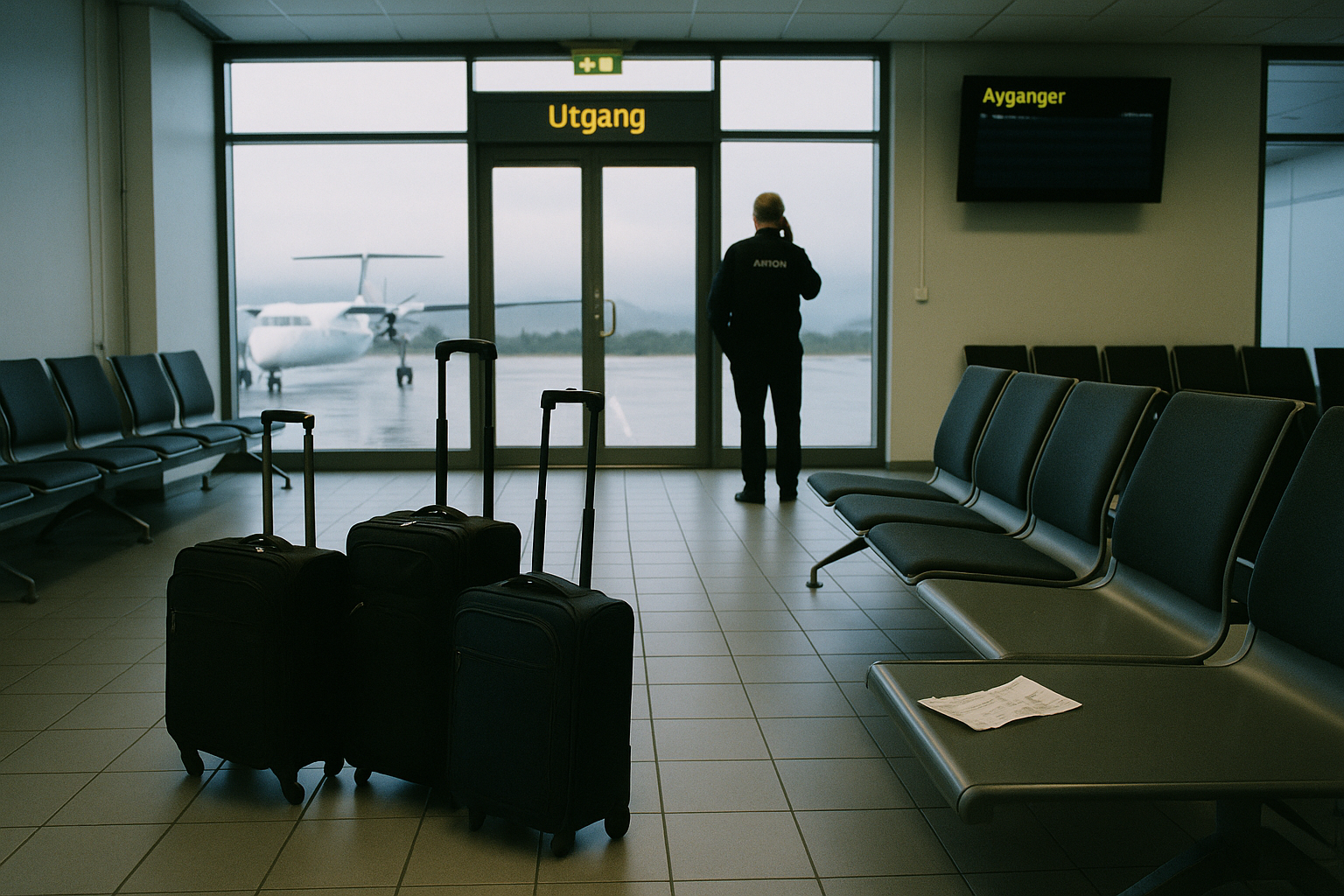
Norway averts aviation strike, last-minute deal exposes thin margin in domestic air network
- NHO Luftfart and Fellesforbundet agreed on a new deal after the deadline, cancelling the planned strike.
- The dispute had raised the risk of disruption to domestic and regional flights used by business travellers, tourists and remote communities.
- The settlement comes amid continued wage pressure in one of Europe’s highest-cost economies.
Norway avoided an aviation strike after employers and unions reached an agreement after the deadline, removing the immediate threat of disruption to domestic and regional flights. Nettavisen reports that NHO Luftfart, the aviation arm of the Confederation of Norwegian Enterprise, and Fellesforbundet, one of Norway’s largest trade unions, agreed on a new collective deal in overtime talks.
The settlement stopped a walkout that had come close enough to force airlines, airports and passengers to prepare for cancellations. In Norway, that reaches further than a timetable problem. The country’s domestic air system ties together a long coastline, scattered regional centres and northern communities where rail is absent and road travel can mean many hours, weather permitting. A strike in aviation therefore hits several markets at once: business travel between the larger cities, tourism flows in the summer season, and routine transport in places where the alternative is not another airline but a ferry, a mountain road or no same-day trip at all.
Nettavisen’s report gives the immediate outcome rather than a route-by-route disruption list, but the pressure point was clear. Had the talks failed, passengers were close to cancellations on the domestic and regional services that carry much of Norway’s internal traffic. That matters because the network is concentrated. When labour action reaches aviation, the effect is rarely isolated to one airport or one category of traveller; delays spread through crews, ground handling and aircraft rotations, and the cost lands quickly on travellers who have already booked hotels, meetings or onward connections.
The agreement also arrives in the middle of a broader wage contest in a high-cost economy. Norwegian unions have spent this bargaining round trying to protect purchasing power after several years in which inflation and higher borrowing costs ate into household budgets. Aviation sits at the sharp end of that pressure: labour is expensive, fuel is volatile, and domestic routes are essential enough that employers cannot easily shrug off staffing disputes. A last-minute settlement avoids the visible cost of a shutdown, but it does not remove the arithmetic that produced the dispute in the first place.
For passengers, the practical result was simple: flights that might have been cancelled can stay on the board. The deal was reached after the deadline, with domestic departures still close enough to disruption that airlines and travellers had reason to watch the clock.
Källor: Nettavisen