Norway backs costly offshore shipping cuts, tiny emissions gain carries billion-krone bill
- The planned cuts target offshore service shipping, a small slice of Norway’s total emissions.
- According to Nettavisen, the government is choosing a far costlier decarbonisation path than available alternatives.
- The bill will be carried through higher costs in an industry already tied to state tax revenues and energy policy.
- The case highlights a recurring Nordic pattern: expensive symbolic climate measures displacing cheaper technical fixes.
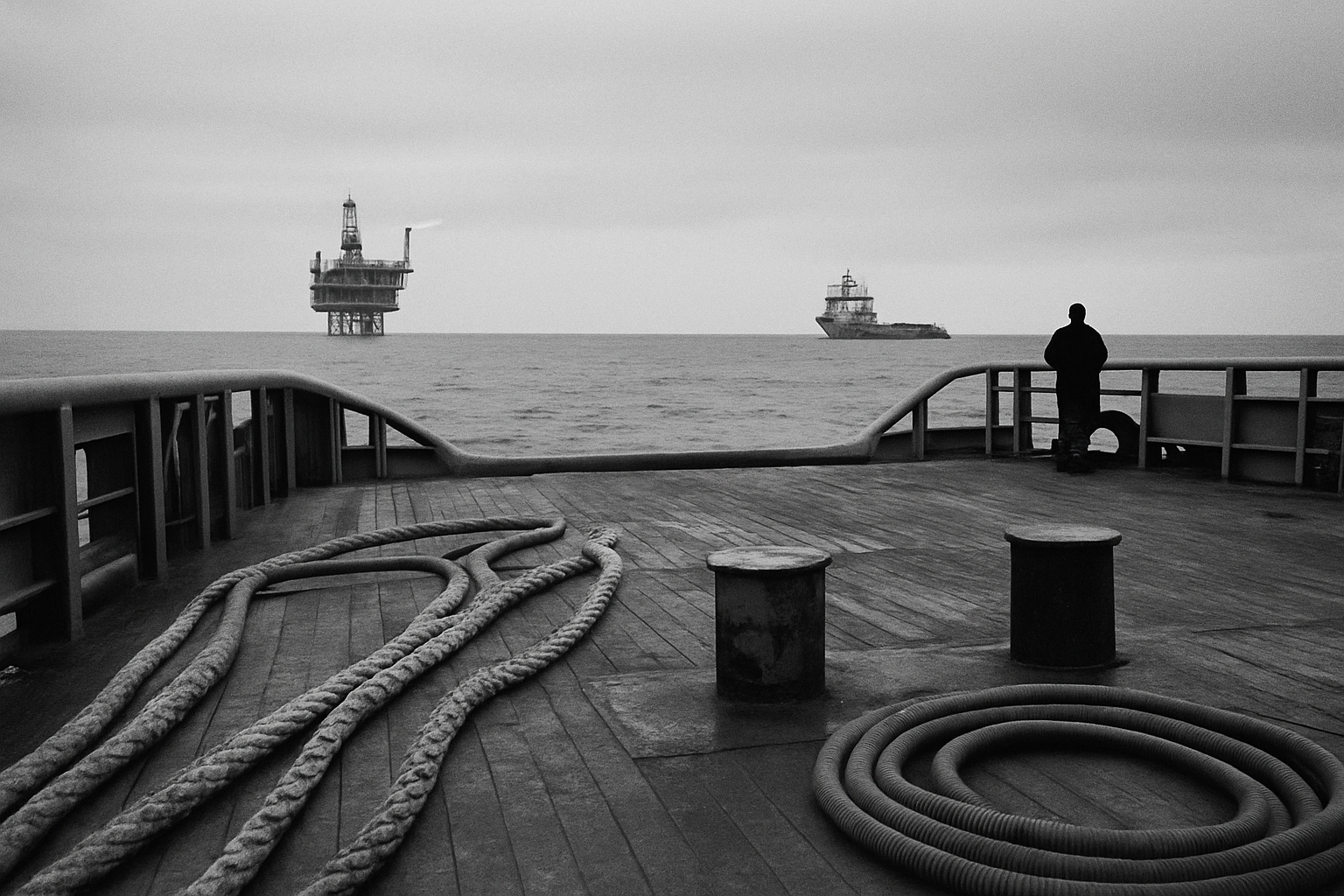
Norway’s government is moving ahead with a plan to cut emissions from ships in the offshore sector, even though the reduction appears to be tiny against the country’s total emissions and the cost runs into the billions of kroner. Nettavisen reports that the state is opting for what is described as the most expensive available method to decarbonise vessels serving the oil and gas industry.
The numbers matter because this is not road traffic or heavy industry on a national scale, but supply and service ships tied to offshore operations. If the emissions cut is measured in promille of Norway’s total output, the question shifts from climate branding to cost allocation. Offshore operators face the direct bill, but in Norway that rarely stays private for long: the petroleum sector is taxed heavily, intertwined with state revenues, and regulated through licensing and procurement rules. Higher costs in the chain are absorbed by operators, contractors, electricity users, taxpayers, or some combination of all four.
Nettavisen’s reporting points to a familiar political choice. Rather than prioritising the cheapest tonne of carbon removed, the government appears to be backing a solution with a much higher unit cost while cheaper alternatives were available. Those alternatives can include more efficient vessel use, conventional fuel savings, technical upgrades, or other lower-cost emissions measures that deliver reductions without rebuilding large parts of the energy system around a narrow fleet segment. Norway has enough oil income to fund expensive pilot projects; that does not make every expensive pilot project rational.
The offshore industry sits in a peculiar position here. It is the sector that finances much of the Norwegian state, and it is also the sector repeatedly chosen to carry highly visible climate measures. That creates a political convenience: the government can present action, the cost can be spread across large balance sheets, and the immediate household impact is less visible than a direct tax increase. The accounting still arrives somewhere. A billion spent on a marginal shipping cut is a billion not spent on cheaper abatement elsewhere, lower taxes, or simply left unspent.
Across the Nordics, governments often prefer technologies and subsidy structures that produce a clean press release and a weak cost curve. The offshore shipping case fits that pattern because the reduction is small, the sector is politically manageable, and the symbolism is large. Norway remains one of Europe’s richest hydrocarbon exporters. The state is debating how to spend vast petroleum income while paying a premium to shave a promille off emissions from ships that service petroleum production.
The measure is sold as climate policy. The invoice lands in the same country that keeps the world’s largest sovereign wealth fund filled with oil money.
Källor: Nettavisen