Oslo nursing homes shift routine work, hotel staff take over non-care tasks
- VG reports that six in ten nurses in nursing homes spend time on tasks they believe others should do.
- Oslo municipality is introducing hotel-service staff to handle non-medical duties such as food, laundry and tidying.
- The stated aim is to free nurses and health care workers for direct patient care amid tight recruitment.
- The test for the model is whether residents receive more care time, not merely a different staffing chart.
Six in ten nurses in nursing homes say they spend time on work that should be done by someone else. In Oslo, that complaint is now being turned into staffing policy: VG reports that the city’s nursing homes are shifting routine duties from nurses and health care workers to hotel-service staff.
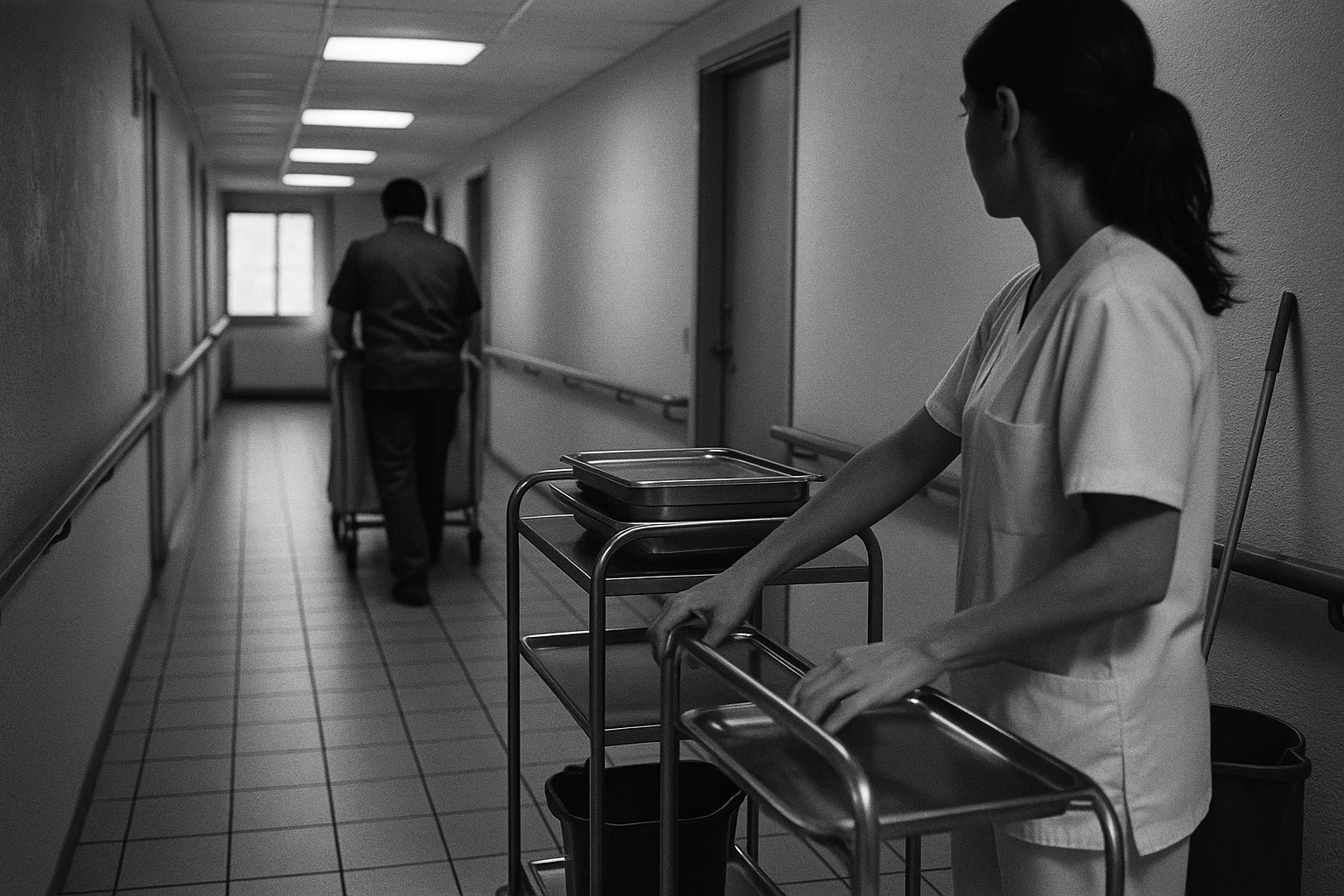
The tasks being moved are the kind that keep an institution running but do not require clinical training: preparing and serving food, handling laundry, cleaning rooms, making beds, tidying common areas and other practical chores around the ward. For a municipality short of nurses, the arithmetic is obvious. A trained nurse folding laundry is expensive labor used on low-skill work; the same nurse administering medication, monitoring frail residents or speaking with relatives is harder to replace. Oslo’s answer is not a larger pool of nurses but a narrower definition of what nurses should do.
That fits a broader pattern across Nordic welfare systems. When recruitment stalls, municipalities first try to reorganize the labor they already have. New titles appear, task lists are rewritten and support functions are split off from licensed professions. Sometimes that raises output. Sometimes it means the same shortage is spread across more job categories. The gain depends on whether the transferred tasks are substantial enough to release measurable care time, and whether the support staff are numerous enough to absorb them without creating new bottlenecks.
VG describes the change as a way to free time for health personnel in elder care, where staffing pressure has been building for years. Nursing homes need registered nurses for medication, documentation, assessments and acute situations, while health care workers cover much of the daily hands-on care. If those staff also fetch meals, clear trays, change linens and manage supplies, direct care competes with housekeeping every hour of the shift. Moving those duties elsewhere may reduce interruptions, one of the quieter drains on ward work.
But the model also sets a clear test. If the reform works, residents should see more staff time at the bedside, faster response when they call, and less overtime among licensed personnel. If it fails, the institution still has the same number of difficult patients and too few clinicians, only with a new layer of service staff in the corridor. A municipal budget can record that as efficiency either way.
In Oslo’s nursing homes, the immediate change is concrete enough: nurses are meant to stop making beds and carrying meal trays. Whether that produces more care than cleaner job descriptions will be visible on the ward floor, one linen cart at a time.
Källor: VG