Reykjavík moves vote count, concert blocks Laugardalshöll, city turns to ÍR sports hall
- The city’s usual counting venue, Laugardalshöll, was unavailable because of a major concert.
- Votes from Reykjavík will instead be counted at the ÍR sports hall.
- The late venue change puts attention on how municipal election logistics handle competing claims on public facilities.
- The switch comes as Reykjavík enters an election that could reshape local political alignments.
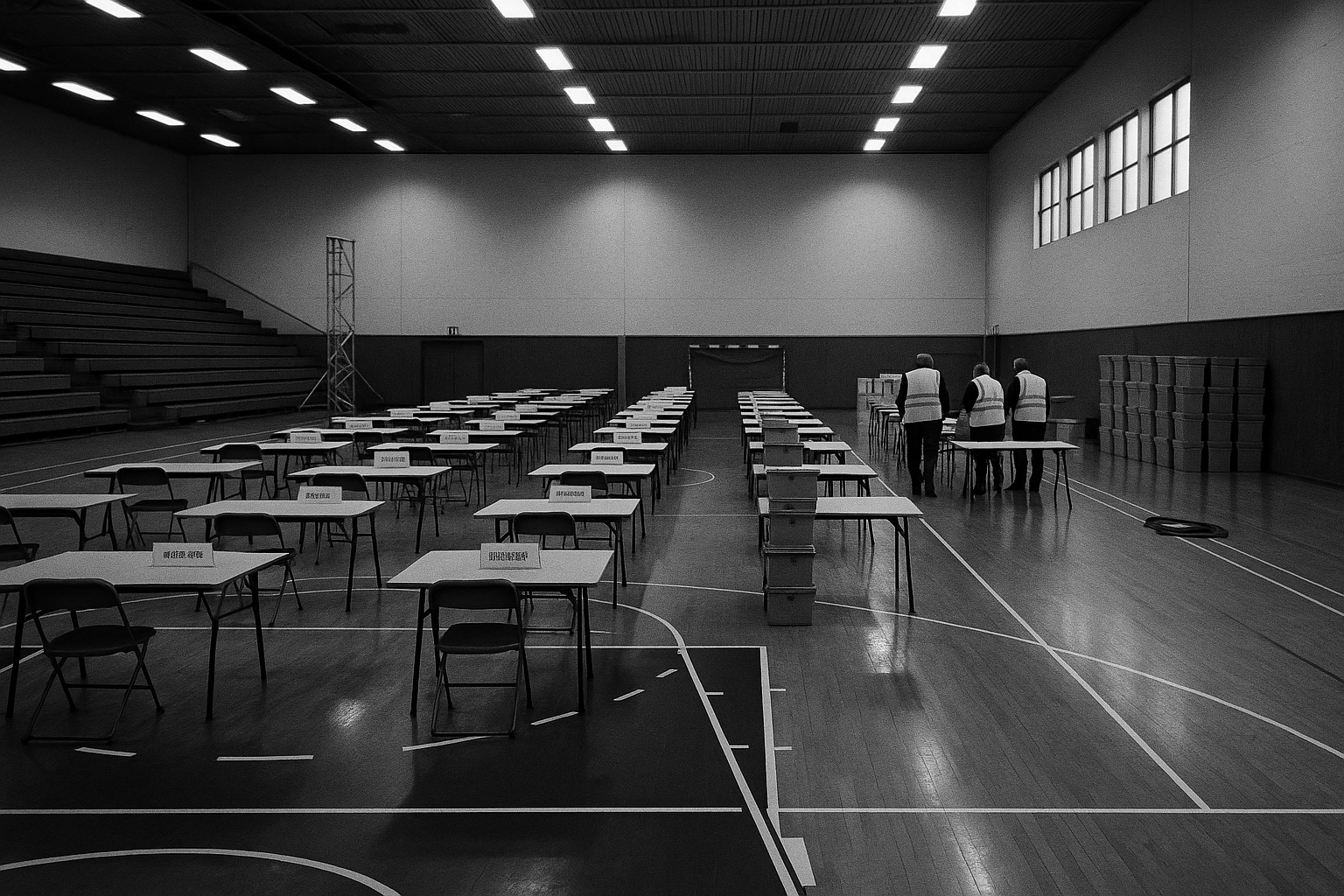
Reykjavík will count the city’s votes at the ÍR sports hall rather than at Laugardalshöll, the usual site for the municipal tally. Morgunblaðið reports that the new venue was all but ready on Friday, after the city had to change plans because Laugardalshöll was unavailable due to a major concert by Herra Hnetusmjör.
On one level, this is a routine piece of election administration: tables, barriers, ballot handling, staff positions, and a room large enough to receive and sort votes from the capital. On another, it is a clean test of how much slack the city has in a process that is meant to run regardless of what else is happening on the events calendar. A vote count is not an optional municipal function, and the fact that Reykjavík has had to relocate it at short notice shows how tightly public buildings are scheduled when sports halls and event arenas serve several masters at once. The replacement itself suggests the city does have fallback capacity, but also that the backup sits in ordinary civic infrastructure rather than in a dedicated election facility.
That matters because counting is one of the few moments in local democracy that still depends on a physical chain: ballots must arrive, be secured, sorted, observed, and reported from a real room with enough space and enough staff. When the usual hall is lost to another booking, the system either absorbs the shock quietly or it does not. Reykjavík appears set to absorb it. Morgunblaðið’s reporting from the site showed preparations nearing completion at the ÍR hall, with the practical work of converting a sports venue into a counting centre already in place.
The timing gives the switch more weight than the venue itself. Municipal elections in Reykjavík shape control over housing policy, planning, transport, schools, and a budget that reaches deep into daily life in Iceland’s largest city. If local politics shifts on election night, the ballots will be opened and stacked not under the familiar roof of Laugardalshöll but in a neighborhood sports hall pressed into service because a concert took the arena.
The city’s count will proceed at ÍR, with the old venue occupied by a rap show and the replacement hall lined up for ballot tables instead.
Källor: Morgunblaðið