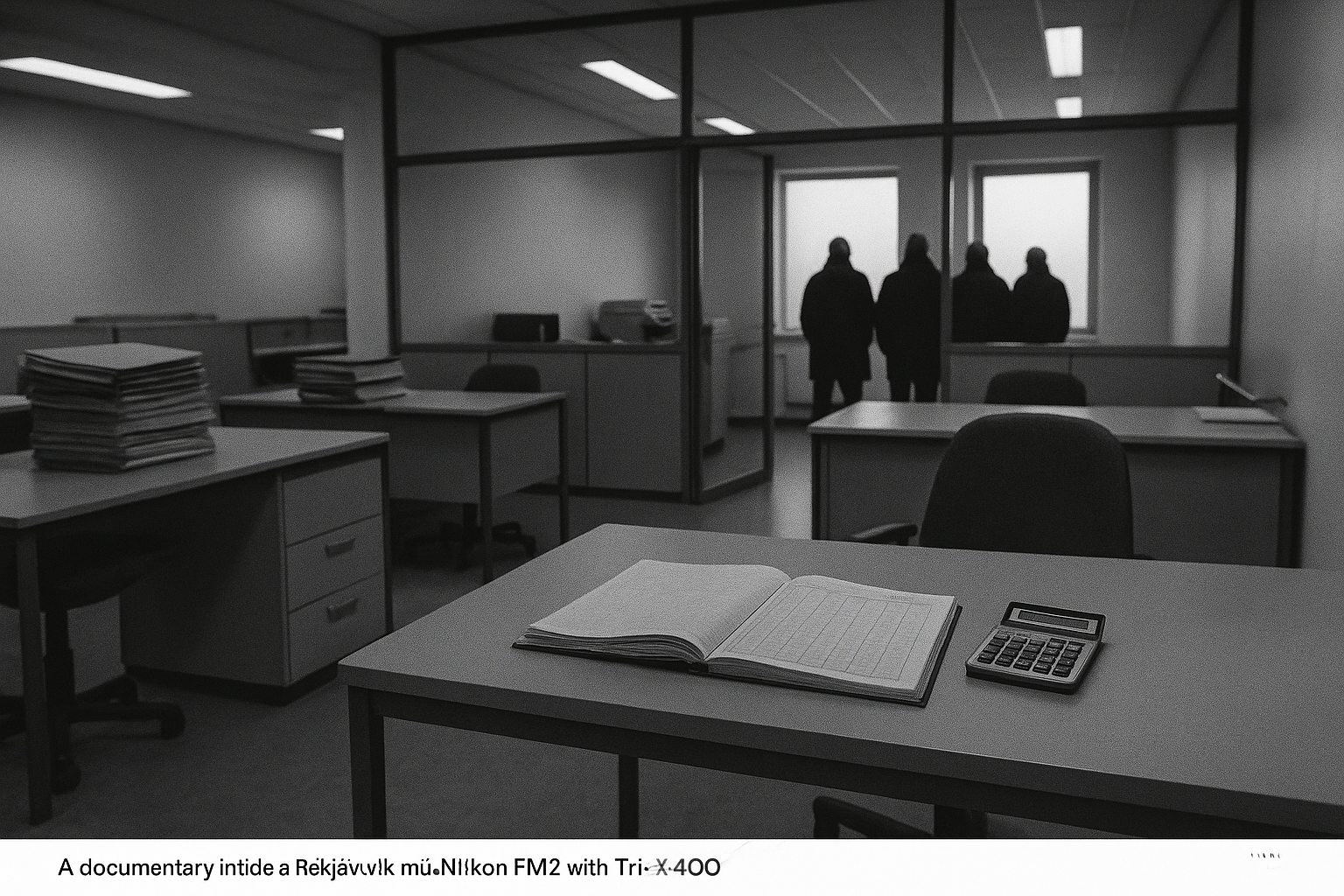
Reykjavík parties back city hall cuts, election turns on bureaucracy, payroll now under scrutiny
- Morgunblaðið reports that no party contesting the 16 May Reykjavík municipal election rejects the claim that the city should substantially reduce staff in its administration.
- The shared slogan masks harder questions about which offices would shrink and whether central administration has grown faster than services residents actually use.
- The issue speaks directly to voters who see city hall overhead rising while housing, schools, transport and maintenance remain under pressure.
Reykjavík’s municipal campaign has narrowed onto a single target: the size of city hall itself. According to Morgunblaðið, no party running in the 16 May local election opposes the claim that the city should substantially reduce staff in the municipal administration.
That matters because the dispute is no longer over whether the bureaucracy is too large, but over where the knife goes. A campaign promise to cut "administration" sounds painless if voters picture HR units, communications staff and project offices; it looks different if reductions reach planning, procurement, welfare case handling or the layers of managers between elected councillors and municipal services. Reykjavík’s parties are converging on the diagnosis while leaving the treatment deliberately vague.
The political opening is obvious. Voters can see what they pay for and what they do not. They see school buildings, roads, buses, housing queues and snow clearance. They do not see the internal reporting chains, policy units and support functions that accumulate over years of coalition rule. When nearly every list promises to trim administration, the campaign is acknowledging a long-standing suspicion that city hall has added overhead faster than it has improved daily services.
The harder comparison is between back-office growth and resident-facing output. If the city has expanded central offices while schools still struggle with staffing, planning processes remain slow and infrastructure complaints pile up, then an administrative reduction is less a reform than a delayed correction. If, on the other hand, the bureaucracy has absorbed legal, procurement and compliance work pushed onto municipalities by national rules, then cuts may simply move bottlenecks elsewhere. The slogan does not answer that; the budget tables do.
That is why the next useful question is departmental, not rhetorical. Which parts of Reykjavík City’s administration are considered expendable: communications, strategy, diversity programs, development offices, middle management, duplicated support functions across departments, or the central apparatus around the mayor and council committees? A party that cannot name offices, headcounts or savings is offering mood rather than a plan.
There is also the timing. Parties that have spent years inside or alongside the municipal system are now campaigning against its size weeks before voters go to the polls. That may still produce cuts after the election; it may also produce a familiar municipal result, where a hiring freeze is announced, consultants map the organisation, and the payroll settles back under new titles. Reykjavík’s bureaucracy is suddenly unpopular. The payroll is still there.
Källor: Morgunblaðið